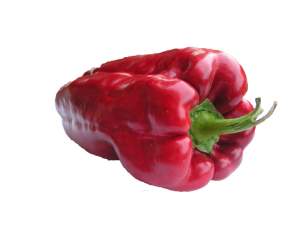
A freshly harvested pepper has taut skin, crisp walls and a firm, heavy feel. After several days at home it may become flexible and develop wrinkles. The obvious question is whether that pepper is spoiled or has simply lost water.
In many cases, wrinkling is primarily a sign of dehydration and declining eating quality, not an automatic reason to throw the pepper away. But the word “soft” covers very different conditions. A slightly flexible, dry pepper is not the same as one with watery, slimy, sunken or mouldy tissue.
Why peppers wrinkle
Plant tissues maintain much of their firmness through water held within their cells. As a pepper loses moisture through transpiration, internal pressure falls. The skin begins to wrinkle and the flesh loses some of its crispness.
Dry air, long exposure and physical damage can all accelerate moisture loss. Two peppers bought at the same time can therefore age at different rates.
Wrinkled does not automatically mean rotten
A pepper can be slightly wrinkled while still having a normal aroma, clean interior, intact flesh and no visible mould. At that stage it may no longer be ideal for a crisp raw salad, but it can still be useful in cooked dishes.
Judge the whole pepper rather than one visual feature. Water loss tends to be gradual, while microbial spoilage may produce local wet lesions, unpleasant odours, slime or visible growth.
Signs that mainly suggest loss of freshness
- Fine or moderate surface wrinkles.
- Flesh that flexes but remains intact.
- Normal colour for the variety, perhaps with less shine.
- Normal vegetal smell.
- No slime, mould or breakdown inside.
In this situation the main loss is textural. A cooked sauce, stew, sauté or roast can be a better destination than a raw dish where crunch is essential.
When softness becomes a warning sign
Softness is more concerning when tissue becomes watery, slimy, collapsed or easily punctured. Visible mould, fermented or unpleasant smells and widespread decay are also reasons to discard the pepper.
If deterioration extends through much of the interior, cutting away one small visible area is not a sensible rescue strategy.
Cut the pepper open if you are unsure
The outside does not always tell the whole story. Opening the pepper lets you inspect the inner wall, seed area and any bruised section. A dehydrated pepper can look tired outside but remain clean within, while a seemingly acceptable one may hide a wet lesion around previous impact damage.
If you find slime, mould, abnormal odour or extensively broken-down tissue, discard it.
Can you still eat it raw?
If the pepper is sound and has merely lost firmness, eating it raw is mostly a quality decision. It will be less crisp and may seem less juicy, but wrinkles alone do not create a requirement to cook it.
For salads or crudités, however, save the firmest peppers and direct older but sound ones towards cooking.
Best uses for a pepper that has lost firmness
Sauces, soups, stews, roasting and sofrito are excellent uses because cooking changes texture anyway. A sound but slightly flexible pepper can also be sliced and sautéed.
The goal is not to hide spoilage. It is to match a safe ingredient with declining texture to a preparation where that texture no longer matters.
What about one damaged area?
A small dry bruise is different from wet rot. A limited dry damaged section can be removed generously when the rest of the pepper is clean and firm. A wet, foul-smelling or spreading lesion deserves a much more conservative response.
How to reduce moisture loss during storage
Whole peppers generally keep well under refrigeration when they will not be eaten immediately. The vegetable drawer helps reduce dehydration compared with prolonged exposure to very dry circulating air.
Store them dry and avoid crushing them under heavier foods. If you wash before storage, dry them thoroughly. Our guide to storing vegetables properly explains the wider principles.
Variety changes how firmness feels
A thick-walled pepper and a thin Italian-style pepper do not start with the same structure. Wall thickness, shape and ripeness all influence how quickly loss of turgor becomes noticeable.
See our guide to pepper types for the main culinary differences.
A practical decision rule
- Wrinkled but clean, normal smell: usually moisture loss; use soon.
- Flexible but not wet or slimy: often excellent for cooking.
- Watery, slimy, mouldy or abnormal smelling: discard.
- Deep damaged area: open and inspect before deciding.
Frequently asked questions
Does wrinkling mean the pepper has lost all its nutrients?
No. Quality changes with time, but wrinkles alone cannot quantify nutrient loss. Texture is normally the most obvious change to the consumer.
Can soaking make a soft pepper fresh again?
It may temporarily improve firmness in some cases, but it does not reverse ageing and cannot make spoiled tissue safe.
Should I throw away a pepper just because it is less crisp?
No. If there are no spoilage signs, use it promptly in a preparation where initial crispness matters less.
Vegetables available now
- EMDO Selection

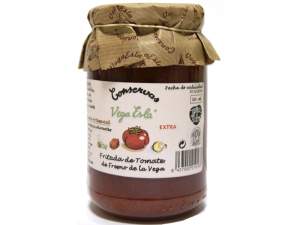 12 Jars of Artisan Tomato Fritada, 314 ml