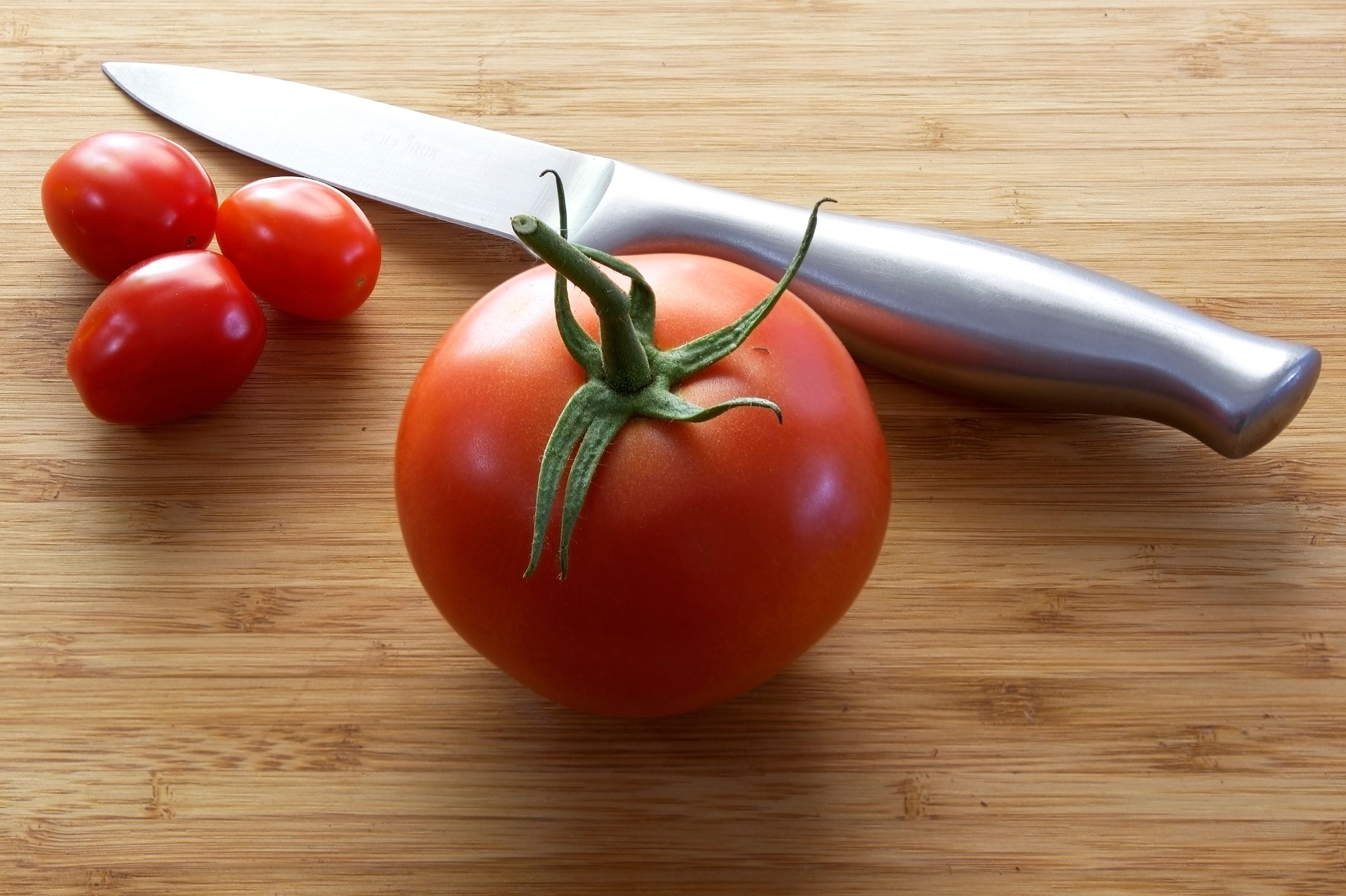
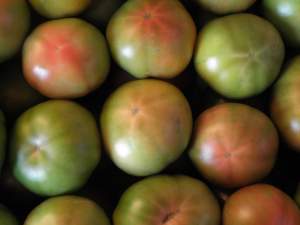
Choosing a tomato looks simple until a box contains different colours, sizes and levels of firmness. Then the real question appears: which one is best? The answer depends on what you plan to cook. A tomato that is perfect for clean slices may not be the best for sauce, while a very ripe fruit that looks untidy in a salad can be excellent for cooking.
Tomatoes continue to change after harvest. Aroma, colour, firmness, perceived acidity and sweetness evolve as they ripen. Reading that process helps reduce waste and lets you organise consumption instead of expecting every tomato to be at exactly the same stage.
Ripeness is not just colour
Colour gives information, but variety matters enormously. Some tomatoes ripen to deep red, others retain green shoulders, and others are naturally yellow, orange, pink or very dark. More red is therefore not a universal measure of quality.
Ripeness is better interpreted through several signs together: the normal colour of the variety, firmness, aroma and skin condition. A slightly firm tomato may be ideal if you plan to eat it in two days, while a softer aromatic one may be ready now.
Judge firmness without squeezing
A ripe tomato often gives slightly under very gentle pressure, but repeatedly squeezing fruit can bruise it. Holding it is normally enough to sense whether it has structure or has become excessively soft. Pay attention to the stem area and previous impact damage, which can accelerate deterioration.
Firm does not automatically mean unripe and soft does not automatically mean good. Some varieties are naturally fleshy and firm, while others develop a more delicate texture as they mature.
Aroma is a useful clue
An aromatic tomato can show green and fruity notes around the stem before it is cut. Lack of aroma alone does not prove poor quality because temperature and variety affect what we smell, but a pleasant aroma combined with appropriate colour and texture is useful information.
Once cut, aroma becomes far more obvious. A tomato with good structure but a restrained flavour may work better with EVOO and seasoning than in a dish where the tomato is expected to carry everything alone.
Separate cosmetic imperfections from deterioration
An irregular shape, superficial scar or uneven size does not automatically make a tomato inferior. Watery collapsed areas, mould, badly contaminated cracks, fermented odours or extensive tissue breakdown are different and need careful assessment.
Distinguishing appearance from actual condition reduces waste. A lightly bruised but sound tomato can be cooked promptly; a tomato with significant spoilage should not be treated as safe simply because one visible section can be cut away.
Less-ripe tomatoes: give them time at room temperature
If a tomato still needs to ripen, room-temperature storage away from direct sun and excessive heat usually makes more sense than immediate refrigeration. The aim is not to warm the fruit but to let it continue developing without accelerating damage.
Keep tomatoes in a single layer where practical and check them daily. Move the ones beginning to soften to the front of the cooking plan.
Should tomatoes go in the refrigerator?
The absolute rule that tomatoes should never be refrigerated is too simplistic. Cold storage can reduce aroma expression and affect texture, particularly if the fruit was not fully ripe. But a ripe tomato that cannot be eaten soon may deteriorate quickly at room temperature, especially in a warm kitchen.
Refrigeration can therefore be a useful tool for slowing that deterioration. For better eating quality, take the tomato out in advance and let it approach room temperature before serving. Ripeness, kitchen temperature and intended use determine the best choice.
A cut tomato does need refrigeration
Once cut, the situation changes. The flesh is exposed, contamination risk increases and moisture is lost more easily. Store cut tomatoes refrigerated in a clean, protected container and use them within a sensible period following good food-hygiene practice.
Do not leave half a tomato at room temperature for hours just because the intact fruit had previously been stored outside the refrigerator.
For salads: structure plus ripeness
A salad usually benefits from a tomato that is ripe but still holds its shape when sliced. You want juice and aroma without the flesh immediately collapsing. Very soft tomatoes can be redirected to another preparation instead of being wasted.
Serving temperature matters too. Very cold tomatoes can seem less aromatic. Cutting shortly before serving and dressing at the last moment helps preserve texture.
For tomato toast and crushed preparations
Softer, very ripe tomatoes can be ideal when the flesh will be grated, crushed or blended. Structural perfection matters less and juiciness matters more. A fruit that is too soft for elegant slices may be exactly right for this use if it remains sound.
EVOO becomes important because it mixes directly with tomato water and pulp. A mild oil keeps the fruit at the centre; a more assertive EVOO creates deliberate contrast.
For sauce: concentration matters
Tomato sauce is more than raw tomato blended in a pan. Cooking evaporates water and changes concentration, acidity, sweetness and texture. Very ripe tomatoes are often useful because they have developed flavour and should be used promptly.
A watery variety may simply need longer reduction. Lower sauce yield is not the same thing as poor quality; varieties naturally differ in water and flesh content.
Seeds, skin and tomato water
Removing seeds and skin is a texture choice, not a quality rule. A very smooth sauce may benefit from straining, while a rustic stew may not. Tomato water itself contains flavour and should not automatically be discarded when the dish can use it.
Technique should follow the recipe. Peeling, seeding and draining make sense when they create the texture you want, not simply because they are traditional steps.
How to organise a box of tomatoes at home
Spread the fruit out, identify the ripest pieces and plan to use those first. Separate bruised tomatoes so they can be monitored rather than hidden underneath others. Firmer fruit can wait; ripe tomatoes move into the immediate cooking plan or into refrigeration when you need to slow deterioration.
This one-minute classification can prevent a surprising amount of waste. The same principle applies to a weekly vegetable shop: different produce has different useful lifespans.
The best tomato is the one at the right stage for the dish
Smart buying is not about finding one abstract perfect tomato. It is about matching variety, ripeness and recipe. Choose structure and aroma for slicing, very ripe and juicy fruit for crushing, fleshier types where you want less water, and always reject produce showing unacceptable spoilage.
Once ripeness becomes a culinary tool, a box of tomatoes stops being divided into good and bad pieces and starts offering different moments of use.
Related vegetables
- EMDO Selection

 12 Jars of Spicy Roasted Peppers, 314 ml