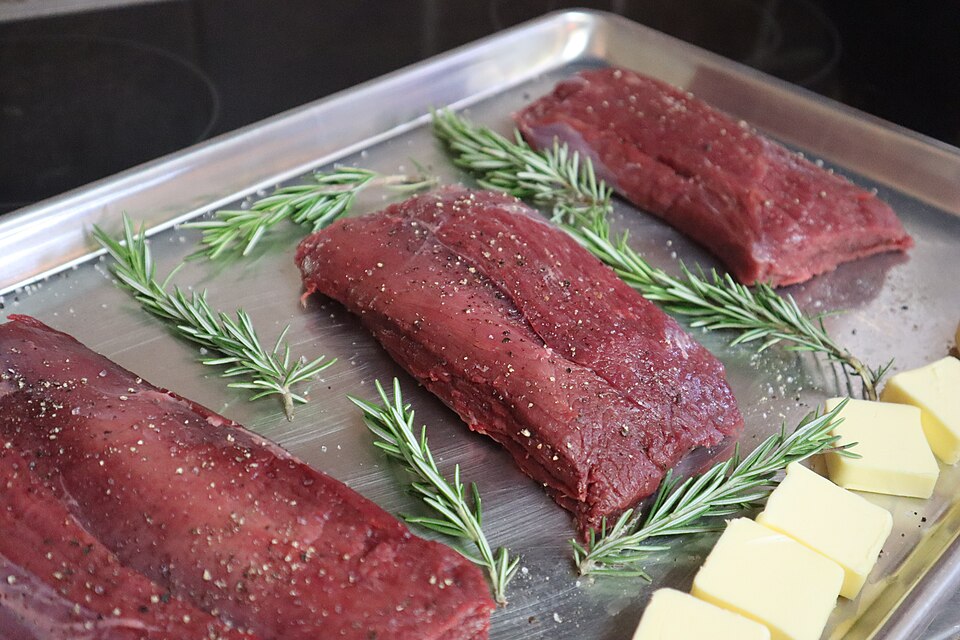
Ostrich tenderloin creates an unusual first impression: it is deep red despite coming from a bird, and many cuts are relatively lean. A pan-seared recipe can still disappoint if the product is actually intended for stewing or if a crowded pan makes browning impossible. This dish is designed for a genuine tender cut sold for pan cooking, served with mushrooms rather than a sauce that overwhelms its flavour.
Check the cut before choosing your method
Not every ostrich product is tenderloin. Shops may offer stewing cubes, thinly sliced steaks, minced burgers and different whole muscles. Look for plain meat specifically recommended for a pan, then read the weight, thickness, origin and thawing instructions. Cooking technique should start with the actual cut, not only the name of the animal.
Lean is not another word for tough, and dark-coloured flesh is not necessarily high in fat. Muscle characteristics affect texture. Ostrich is a ratite bird, so avoid copying beef-steak safety directions without checking what applies to the product.
Ingredients for two
- 300–350 g ostrich tenderloin in two similar-thickness portions.
- 200 g fresh mushrooms.
- One small shallot or half a spring onion.
- Olive oil, a sprig of thyme, salt and pepper.
- A little lemon juice, optional at the table.
A heavy pan, clean tongs and a cooking thermometer will be more useful than complicated equipment. You do not need butter or an overnight marinade.
Cooking the meat and the mushrooms
- Start with the mushrooms. Soften the shallot in a little oil. Add sliced mushrooms and cook off much of their moisture; set aside so the meat will not have to wait for the side dish.
- Thaw safely if required. Follow the label, normally using the refrigerator. Pat the surface dry with kitchen paper. Keep the tray and utensils used for raw meat away from the finished food.
- Match the thickness. Similar-sized pieces are easier to heat evenly. Do not pound an already tender cut flat simply because a different recipe uses thin escalopes.
- Brown without crowding. Heat a roomy pan with a little oil. Add the portions and allow them to colour before turning with clean tongs. Cook in batches if the pan starts filling with liquid.
- Check the centre. Thickness, starting temperature and pan heat make fixed minute-per-side instructions unreliable. Use a thermometer and follow the specific product's safe-cooking information and applicable food authority advice.
- Serve on a clean plate. After an appropriate brief rest, slice across the grain where it helps the cut, add the mushrooms and thyme, and finish with a little lemon if you wish.
Thin fillets behave differently from thick medallions. Burgers have a different food-safety profile again, so they should not be treated as intact tenderloin.
Dry versus firm: two problems, two causes
A dry result may indicate that relatively lean meat stayed on the heat too long. A firm or chewy result may suggest a different muscle, unsuitable cooking method or cutting along the fibres. Extra oil at the end will not reliably solve either problem.
Next time, check the cut first, the thickness second, then your pan technique. A crowded pan loses heat and delays browning. An excessively hot pan may scorch the surface before the centre is safely cooked. Control is more useful than a universal timing rule.
Simple accompaniments and serving ideas
Mushrooms, roast baby potatoes and carrots all work well with ostrich. If you prefer a sauce, reduce a little stock with the mushrooms and serve it separately. When tasting an unfamiliar meat, let the ingredient have its own identity.
For a broader introduction to the species, its red appearance and the differences between cuts, see our ostrich meat guide. This recipe is deliberately focused on a single cut.
Food safety cannot be decided by colour
The naturally red flesh makes visual doneness particularly deceptive. FoodSafety.gov's safe-temperature chart illustrates the distinction between different meat and poultry categories, but product-specific ostrich instructions should be confirmed on the label and against relevant local food-safety advice. Do not improvise a temperature from a beef recipe.
When you begin with a clearly identified tender cut, follow the supplier's instructions and use a thermometer, you can focus on what makes the dish enjoyable: an interesting meat prepared with simple, well-managed technique.
Illustrative raw ostrich fillet, not the finished dish prepared in this recipe. Photograph: Angelbmartin / Wikimedia Commons. License CC BY-SA 4.0. Image resized for web display.

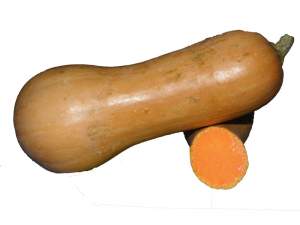 Calabaza
 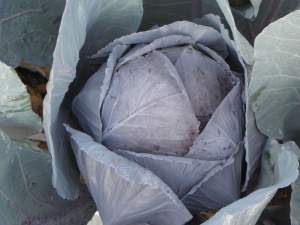 Lombarda
 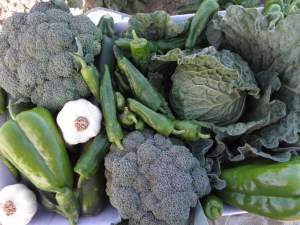 10 kg of Fresh Vegetables
 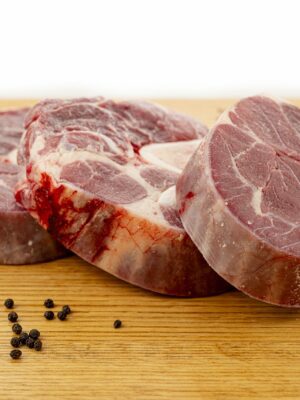 Beef osso buco
 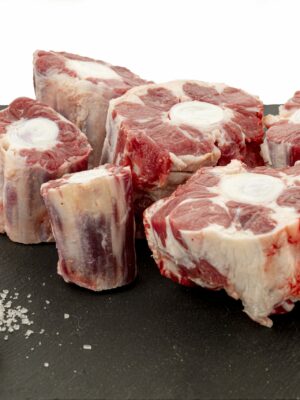 Oxtail
 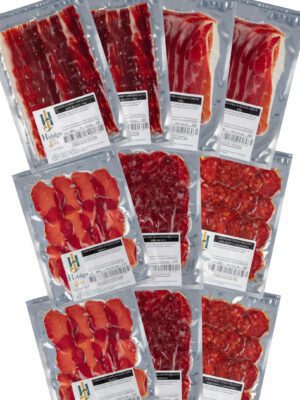 Tasting pack of 100% Iberian acorn (2x ham, 2x shoulder ham, 2x cured loin, 2x salchichón, 2x chorizo)