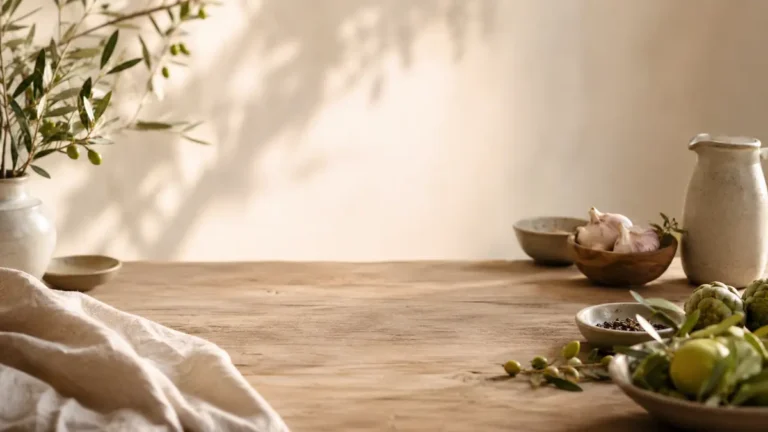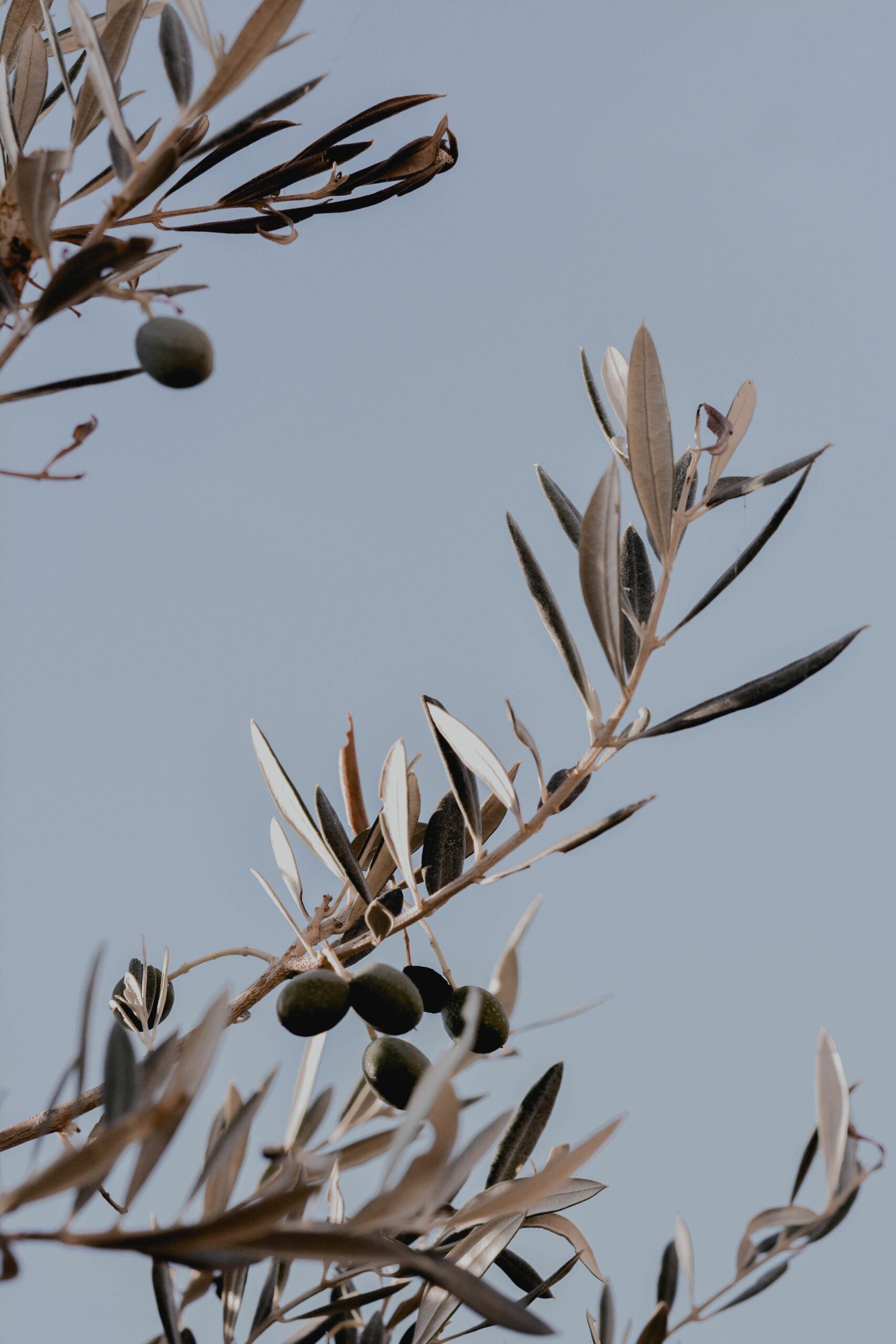
Sierra Mágina lies in south-central Jaén around the mountain massif that gives the area its name. The PDO describes traditional olive groves, many on slopes, with a clear predominance of the Picual variety.
Olive oil also requires clear separation of concepts. Extra virgin is a product category; variety identifies the olive cultivar; a PDO certifies origin and a specification; and harvest year, ripeness and milling help explain the profile of a particular bottle. None of those words on its own describes the entire oil.
Quick summary
| Main variety | Picual. |
|---|---|
| Permitted secondary variety | Manzanillo de Jaén. |
| Landscape | Traditional mountain olive groves with significant slopes. |
| Described profile | Fruity, with balanced light-to-medium bitterness and pungency and frequent green vegetal notes. |
Picual as the backbone
Picual defines much of Sierra Mágina’s production. It commonly produces stable oils with recognisable fruitiness, bitterness and pungency. Actual intensity depends on ripeness, harvest year and mill decisions.
Manzanillo de Jaén as a secondary variety
The PDO permits Manzanillo de Jaén and links it especially with certain municipalities. Its presence is a reminder that even a designation strongly associated with Picual can contain varietal diversity.
What changes in hillside olive groves
Slope affects mechanisation, costs and how groves are worked. It also creates varied aspects and elevations. None of these factors guarantees a great EVOO on its own, but they are part of the context the PDO protects and communicates.
How to interpret green tasting notes
The official description mentions aromas such as grass, tomato plant, olive leaf, artichoke and banana peel. Not every bottle will show every descriptor at the same intensity. Use them as a helpful vocabulary, not a compulsory checklist.
Sierra Mágina is not simply “another Picual from Jaén”
Picual is central, but the point of a territorial PDO is to read variety and place together. Relief, orientation, grove management and the specific harvest form a context that cannot be reduced to one word on the label.
Mágina-specific questions
Does Manzanillo de Jaén replace Picual as the main variety?
No. Its presence helps explain local diversity while Picual remains a structural reference in the area.
Does a hillside grove automatically produce a more intense oil?
No. Slope affects cultivation and management, but sensory profile also depends on variety, maturity, harvest and milling.
Do green tasting notes prove Sierra Mágina origin?
No. They are sensory descriptors and can occur in oils from many origins.
Which page to use for which search
For other Jaén designations and the province-wide PGI, use our oils of Jaén guide. For the general designation system, return to Spanish olive-oil PDOs.
Sources and references
This guide prioritises institutional sources and designation bodies. Current product specifications are the reference point when a specific certification requirement needs to be checked.