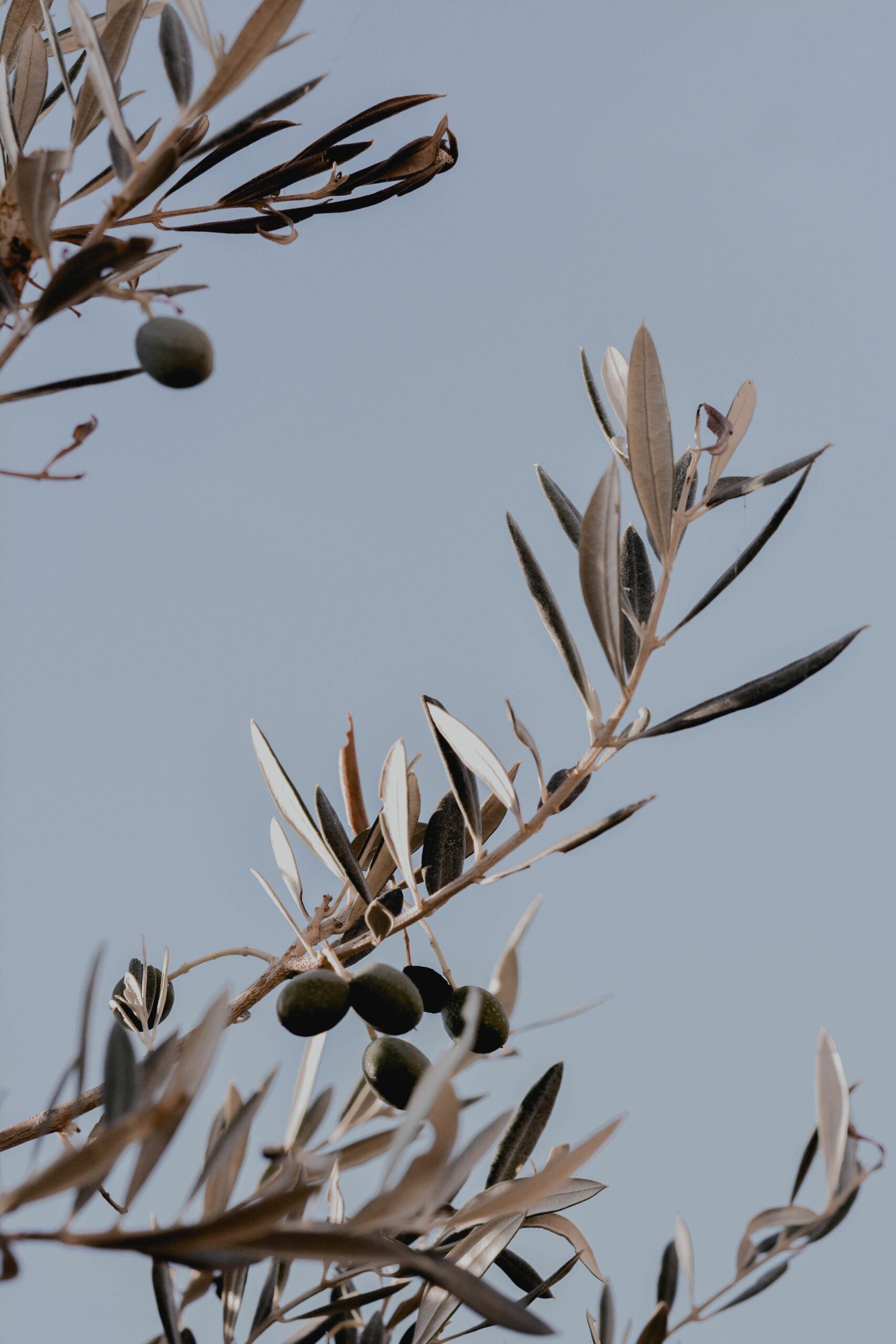
Talking about olive oil from España as though it had one flavour is too simplistic. Andalusia dominates the map, with jaén and córdoba as major centres; castilla-la mancha and extremadura form a second large inland axis, while catalonia and aragon contribute lower-volume mediterranean areas with strong varietal identity. Origin matters, but it always interacts with cultivar, harvest and processing. This guide organises the map without turning provenance into an automatic promise of quality.
Quick summary
| Context | Spain is the world’s leading producer in many seasons and Andalusia accounts for by far the largest share of national output, while Castilla-La Mancha, Extremadura, Catalonia, Aragon and other regions add their own landscapes and cultivars. |
|---|---|
| Areas | Andalusia dominates the map, with Jaén and Córdoba as major centres; Castilla-La Mancha and Extremadura form a second large inland axis, while Catalonia and Aragon contribute lower-volume Mediterranean areas with strong varietal identity |
| Cultivars | Picual, Hojiblanca, Cornicabra, Manzanilla Cacereña, Arbequina and Empeltre are essential references alongside many local cultivars |
| Protected quality | Spain has an extensive network of olive-oil PDOs and PGIs. These schemes allow the national map to be broken down into specific territories and define which area, cultivars and production rules each name protects. |
PDO and PGI: what the schemes protect
Spain has an extensive network of olive-oil PDOs and PGIs. These schemes allow the national map to be broken down into specific territories and define which area, cultivars and production rules each name protects.
These schemes are not prizes. They are systems of protection and control defining area, raw materials and production conditions for registered operators. Excellent EVOO can exist outside a PDO, while a PDO does not remove the need for good storage. Its main value is guaranteeing that the geographical name follows a specification.
How flavour profiles can differ
As an orientation, origin can shift ripening speed, green intensity, bitterness, pungency and aroma, but it never acts separately from cultivar, season and milling. Fruitiness, bitterness and pungency are separate attributes. Colour is not a quality measure and greater intensity does not automatically mean greater quality.
To compare origins, taste oils from similar harvest periods in good condition. Smell first, then assess fruitiness, bitterness, pungency, persistence and balance. This separates genuine differences from expectations created by labels.
Harvest and mill decisions
The same territory gives different results when olives are picked green or several weeks later. Early harvest often reduces oil yield and can strengthen green, bitter or peppery profiles; riper fruit can shift aromas toward mature notes.
After picking, rapid transport and milling are critical. Careful extraction, filtration when chosen, protection from oxygen and light and controlled storage temperature complete a chain in which geographical origin is only one component.
Spain is a map of major olive-oil territories
Spain does not have one EVOO profile. Andalusia dominates by scale and ranges from lowlands to mountain groves; Castilla-La Mancha combines large inland areas with Cornicabra and other cultivars; Extremadura includes Manzanilla Cacereña, Carrasqueña and Verdial in its own contexts; Catalonia and Aragon add Arbequina, Empeltre and local cultivars in Mediterranean and continental landscapes.nnThis page is the national hub: it places the major territories and points to deeper regional guides.
What really changes when origin changes
Origin changes climate, soil, altitude, water availability and ripening calendar. These variables influence the fruit but never work alone: harvest date, fruit health, time before milling, extraction and storage can be equally important.nnThat is why two oils from the same cultivar can differ even inside one province.
Andalusia, inland Spain and the Mediterranean arc are three useful starting points
A practical first map separates broad macro-regions. Andalusia combines huge scale with many quality schemes; inland Spain —especially Castilla-La Mancha and Extremadura— combines continental conditions with well-adapted cultivars; the Mediterranean arc and Ebro valley feature Arbequina, Empeltre and other local varieties.nnThese categories are orientation tools, not flavour guarantees.
How to use the national map without competing with regional guides
This page compares regions, explains variables and directs readers deeper. Detailed PDO lists, local cultivars and subzones belong in the Andalusia, Jaén, Córdoba, Castilla-La Mancha, Extremadura and Catalonia/Aragon pages.nnThat hierarchy prevents every page from repeating the same lists and gives each URL a distinct search intention.
Related questions
Is every EVOO from España part of a PDO or PGI?
No. Geographical schemes protect only oils and operators meeting their specification; excellent EVOO can exist outside them.
Does origin tell you exactly what an oil from España will taste like?
No. It provides useful clues about cultivars and conditions, but harvest, milling and storage can change the profile substantially.
Related guides
- Olive oil designations of origin in Spain: what they guarantee and how to read them
- How climate, soil and altitude influence EVOO flavour
- Olive oils of Andalusia: production areas, PDOs, varieties and flavour profiles
- Olive oils of Catalonia and Aragon: areas, protected origins and varieties
Bottom line
Origin is one layer of information in EVOO from España, not a sensory verdict. Understanding areas, cultivars and quality schemes and combining them with harvest, processing and storage supports better choices.
 Pardina Lentils