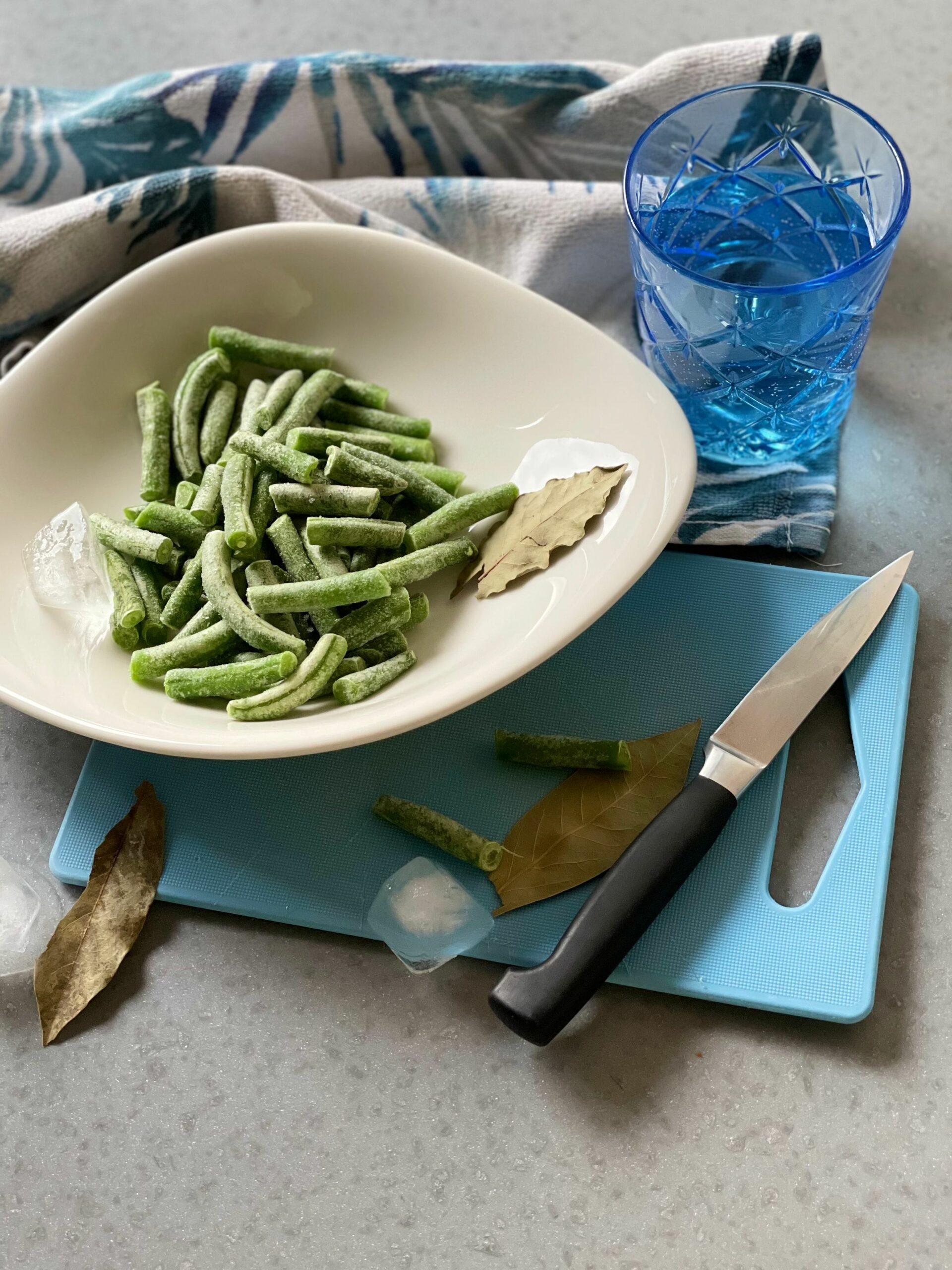
Freezing vegetables is one of the best ways to use a large purchase, but it can also destroy texture when done without a plan. Different vegetables behave differently: some retain excellent quality for stews, sautés and soups, while others lose so much structure after thawing that they no longer work where crispness matters.
The key is understanding what freezing does. Water inside plant tissue forms ice crystals. Larger crystals can damage cell walls more severely, so freezing speed, portion size, preparation and intended use all matter.
Which vegetables generally freeze well?
Green beans, peas, spinach, chard, broccoli, cauliflower, sliced carrots, pumpkin and many vegetables intended for cooking usually perform well. They may not be identical to fresh produce after thawing, but they remain excellent for soups, purées, stews, sautés and rice dishes.
High-water vegetables with delicate structure — such as salad tomatoes, cucumber or leaves intended to be eaten raw — lose firmness more easily. That does not make them useless; it simply means they should be frozen for sauces, soups or cooked dishes.
Why blanching helps many vegetables
Blanching means exposing vegetables briefly to boiling water or steam and then cooling them quickly. The aim is not to cook them completely but to reduce enzyme activity that would continue to affect colour, flavour and texture during frozen storage.
Timing depends on the vegetable and cut size. Whole green beans and small carrot cubes should not be treated identically. Over-blanching can soften vegetables unnecessarily.
Cooling is part of blanching
Vegetables continue cooking from residual heat after leaving boiling water. Rapid cooling stops that process. They should then be drained and dried thoroughly, because excess surface water creates ice and makes individual portions harder to use.
Tray freezing prevents one solid block
Spread prepared vegetables in a single layer on a tray and freeze them separately first. Once firm, move them to a bag or container. This keeps pieces loose so you can remove only what you need.
It works particularly well for pumpkin cubes, broccoli florets, carrot slices, chopped peppers and many similar vegetables.
Less air is better
Air inside packaging encourages surface dehydration and freezer burn. Use suitable bags or containers that match the quantity without crushing delicate vegetables. Label them with product and date so older stock is used first.
Do you need to thaw before cooking?
Often, no. Green beans, peas, spinach, broccoli and many vegetables can go directly from freezer to pan or pot. This can reduce the time they spend releasing water before cooking.
For soups and stews, direct use is especially convenient. For sautéing, use enough heat and avoid overcrowding the pan so excess moisture can evaporate.
Tomatoes show why intended use matters
A frozen tomato rarely regains the firmness needed for salad. But that loss of structure matters little in sauce, soup or sofrito. Freezing ripe surplus tomatoes can therefore be an excellent anti-waste strategy.
See our tomato selection and storage guide for what to do before freezing becomes necessary.
Potatoes, onions and garlic behave differently
Raw potatoes can develop undesirable texture changes and often work better frozen after some preparation or as part of a cooked dish. Chopped onions freeze well for later cooking if you accept that their raw crunch will be lost. Garlic can also be portioned for cooking, although its aroma may change.
The useful question is not simply “can I freeze this?” but “how do I want to use it afterwards?”.
What not to do
Do not freeze vegetables that are already deteriorating and expect the freezer to restore them. Freezing preserves the starting point; it does not create freshness. Avoid loading large quantities while still hot, and avoid repeated thawing and refreezing cycles.
Good weekly planning reduces unnecessary freezing
Use delicate leaves and highly perishable produce first, then keep roots, potatoes, onions and robust vegetables for later in the week. Our vegetable storage guide helps organise that sequence.
Related vegetables
- EMDO Selection

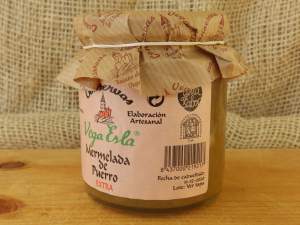 Artisan Leek Jam, 250 ml
 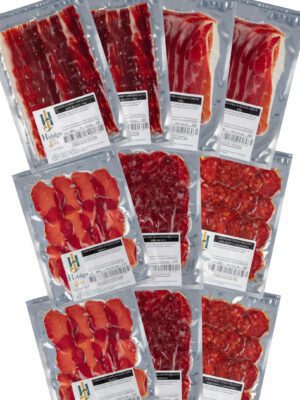 Tasting pack of 100% Iberian acorn (2x ham, 2x shoulder ham, 2x cured loin, 2x salchichón, 2x chorizo)
 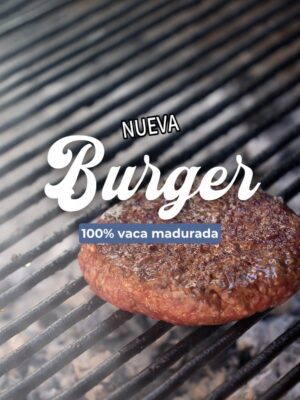 100% mature beef burgers – gluten-free (2)
 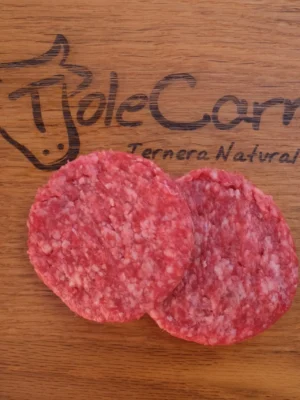 100% beef burgers – gluten-free (2)
 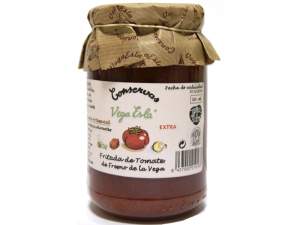 12 Jars of Artisan Tomato Fritada, 314 ml