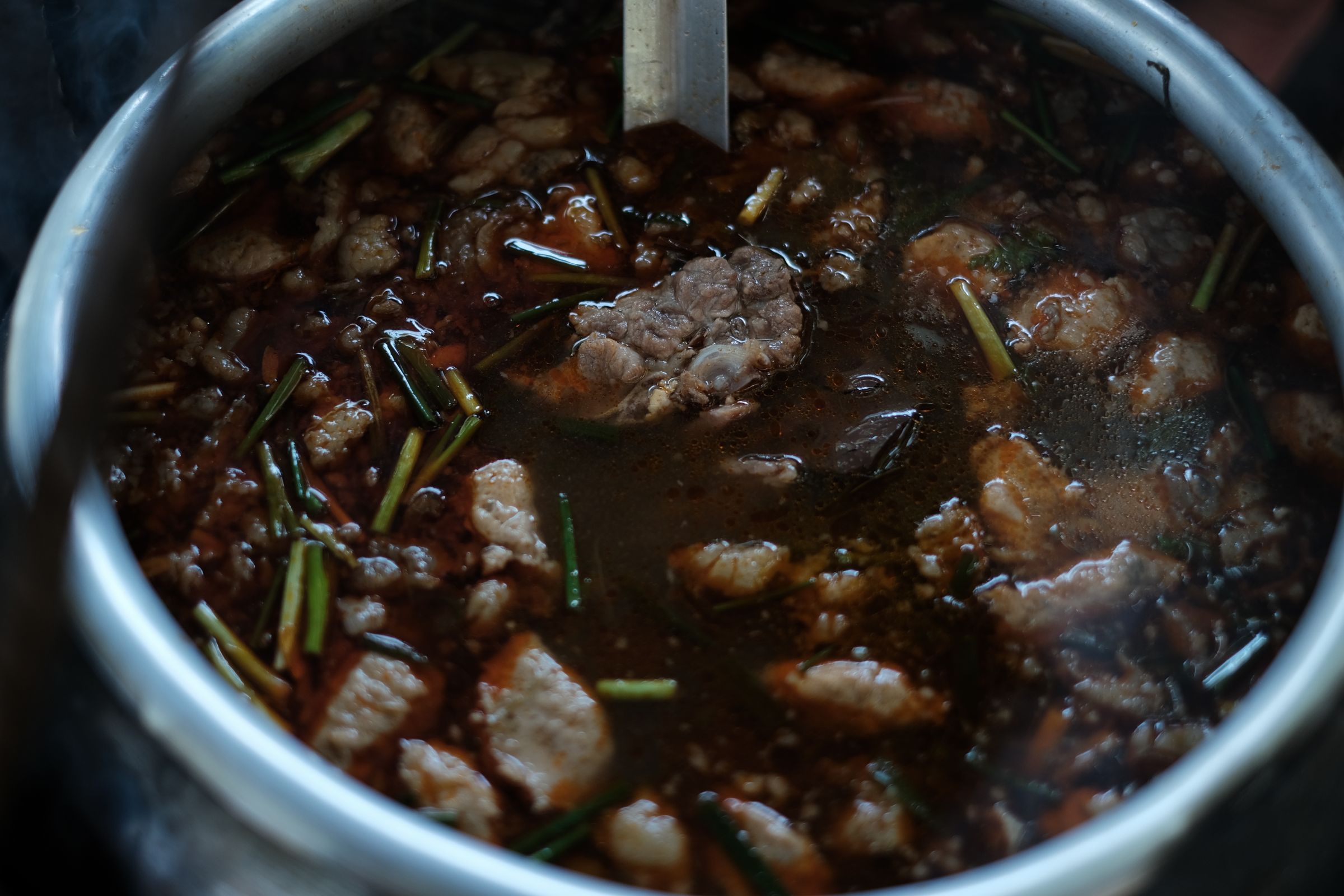
Two pieces of beef can receive exactly the same heat and finish completely differently. A tender steak may need only a few minutes on a hot surface. A shank treated the same way would remain firm. Yet after several hours in a braise, that shank can develop a soft, gelatinous texture that a very lean, naturally tender cut would not produce in the same way.
The explanation lies in meat structure. Cooking is not merely “heating until done”. It produces simultaneous changes in muscle proteins, water, fat and connective tissue. Some of those changes make meat firmer; others soften it. Good cooking is largely the art of making that balance work for the cut in front of you.
Meat is muscle, but it is not only muscle
A muscle consists of fibres grouped into bundles and wrapped in layers of connective tissue. That connective tissue contains collagen, among other components. The amount and nature of collagen vary according to the muscle and the work it performed. It therefore makes little sense to expect tenderloin and shank to behave alike.
Beef tenderness research separates the resistance of muscle fibres themselves from the contribution of connective tissue. Locomotion muscles frequently have a more demanding structure, whereas muscles that performed less work may be naturally tender after very brief cooking.
What happens to muscle fibres as temperature rises?
Muscle proteins change structure when heated. As temperature increases, fibres contract and can expel some of the water they were holding. This is one reason meat exposed to excessive heat, or cooked longer than necessary for its style, can become drier and firmer.
It explains why a tender steak does not improve indefinitely the longer it cooks. Once the centre has reached the result you want, continued heating does not automatically “soften” the fibres. It can do the opposite. With quick-cooking cuts, time and temperature control are fundamental.
Collagen follows a different set of rules
Connective tissue creates the apparent contradiction. Given enough time under suitable conditions, collagen softens and part of it converts to gelatin. This reduces the toughness contributed by connective tissue and gives braising liquids the body associated with a good stew.
Technical beef research describes this balance clearly: heat can toughen myofibrillar proteins while prolonged cooking can soften collagen. The final texture depends on which effect matters most in the particular cut.
Why time matters so much in a stew
In a connective-tissue-rich cut, reaching a high temperature quickly is not the same as completing the transformation. Collagen needs time. A stew can therefore pass through an awkward stage when the meat seems tougher than it was initially: muscle fibres have contracted but the connective tissue has not yet softened sufficiently.
Continued controlled cooking changes the texture. Patience here is not an unexplained traditional habit; it is part of the physical mechanism of the recipe. Aggressively high heat can evaporate the liquid, damage the exterior or break down other ingredients before the meat has had the time it needs.
Dry heat for naturally tender cuts
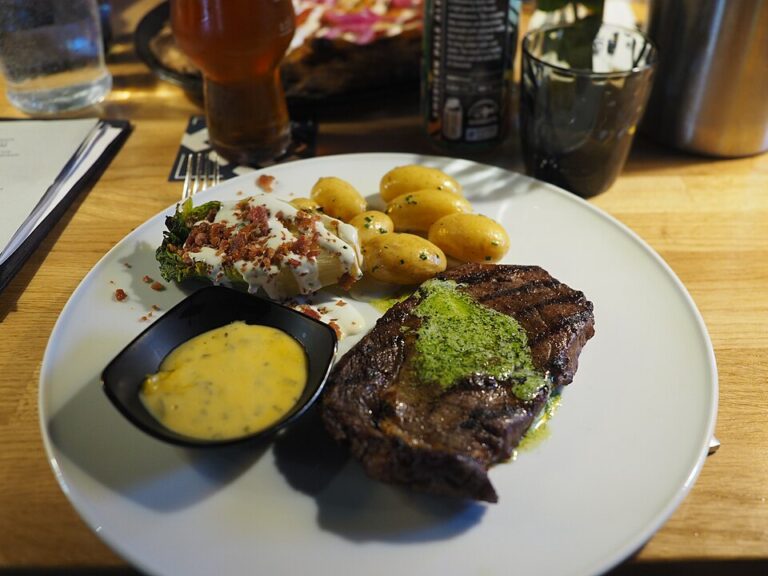
Pan-searing, griddling, grilling and certain roasting methods rely mainly on dry heat. They suit cuts whose initial tenderness allows a short cook. The cook is balancing two goals: developing a deeply browned, aromatic surface while preserving the desired centre.
A hot surface promotes browning reactions responsible for many roasted-meat aromas. But a good crust does not require the entire interior to reach the same temperature. With thick cuts, intense exterior heat can be combined with gentler heating; with thin steaks, the window between “browned” and “overcooked” is much narrower.
Moist heat and long cooking for connective-tissue-rich cuts
Braising and stewing create a very different environment. Moisture moderates surface conditions and supports long cooking without the same rate of dehydration as a dry oven. These methods are particularly well suited to shank, chuck and other working muscles.
The meat does not necessarily have to be completely submerged. In a braise, part of it may remain above the liquid. What matters is the combination of moisture, moderate heat and time. A covered vessel also limits evaporation and helps maintain a stable cooking environment.
Does more fat always mean more tenderness?
No. Intramuscular fat influences juiciness, lubrication and flavour perception, but tenderness has several causes. A low-fat cut can be naturally very tender because of its muscle structure; another cut may contain more connective tissue and still need long cooking even when fat is present.
Fat can widen the margin for error in some cuts because it contributes to the perception of succulence. It does not, however, compensate for a completely inappropriate cooking method.
Thickness changes the strategy
Two steaks from the same cut, one centimetre thick and four centimetres thick, do not cook the same way. Heat needs time to move towards the centre. In a thin piece, the interior may already be advanced by the time the surface has developed good colour; a thick piece provides greater separation between crust and centre.
This is why instructions such as “three minutes per side” are limited unless thickness, starting temperature, pan power and desired doneness are all known. Meat cooking works better when the cook observes the piece rather than relying on an isolated stopwatch.
Resting: what does it contribute after fast cooking?
When meat leaves the heat, the heat does not disappear instantly. The hot exterior and cooler centre form a temperature gradient. A short rest allows those temperatures to become more even and makes slicing more stable. In larger pieces, the centre may continue to rise in temperature for a period after removal from the oven.
Resting does not magically “lock in every drop of juice”, but it does prevent cutting at the moment when the temperature difference inside the meat is greatest. Resting time should match size: a thin steak and a large roast do not need the same interval.
Cutting across the grain: a mechanical improvement in tenderness
Even after correct cooking, the knife can help. Identify the direction of the muscle fibres and slice perpendicular to them. This physically shortens the fibres before they reach the mouth. With clearly grained muscles from the flank or leg, the difference can be substantial.
It does not turn a tough cut into tenderloin, but it reduces the work of chewing and improves eating quality without changing the recipe.
Food safety and culinary doneness are not exactly the same question
Texture and juiciness concern culinary quality. Food safety introduces additional rules. Ground beef, for example, has a different distribution of exposed surface from an intact muscle and requires particular care. Cross-contamination between raw meat, utensils and ready-to-eat foods should also be avoided.
Safe-temperature advice depends on the product and the relevant food-safety authority. For ground meat and food intended for vulnerable people, follow official guidance and use a food thermometer where appropriate.
A simple way to choose a cooking method
Ask three questions before you start. Is this a naturally tender cut or one rich in connective tissue? Is it thin or thick? Do I want a browned surface with a juicy centre, or a yielding texture after prolonged cooking? Those answers usually point towards the correct technique.
For the anatomy and practical uses of individual cuts, see our complete guide to choosing beef cuts. Taken together, choosing the right cut and choosing the right method explain much of what makes a beef recipe successful.
Beef for practising different techniques
-
Sale!
 Select options
This product has multiple variants. The options may be chosen on the product page
Select options
This product has multiple variants. The options may be chosen on the product page


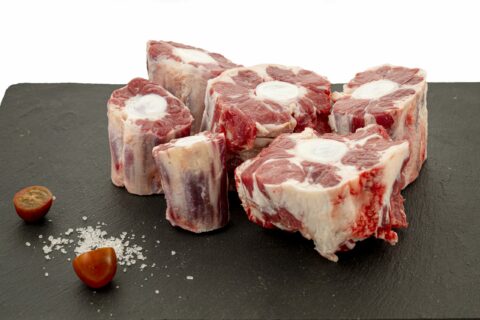
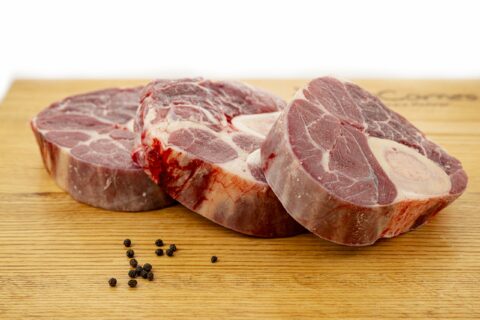
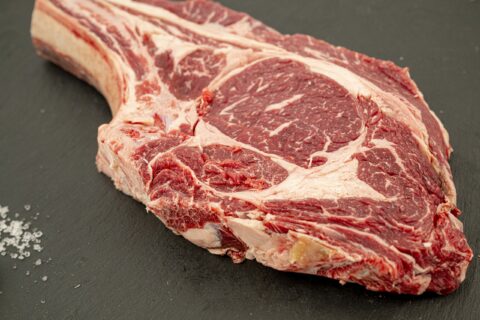
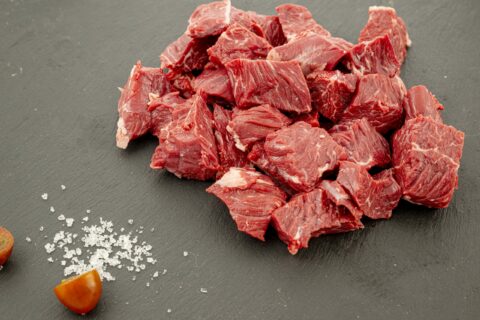
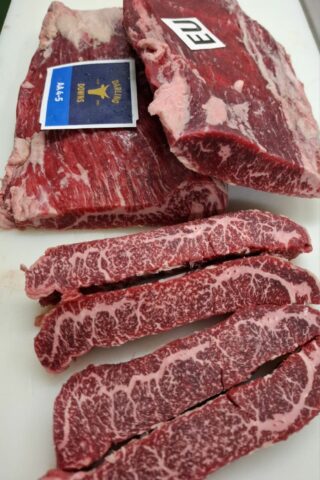

Reference sources: Beef Research technical material on muscle structure, collagen and tenderness; University of Minnesota Extension; and official food-safety guidance for handling and refrigerating meat.

 12 Jars of Artisan Tomato Fritada, 314 ml
 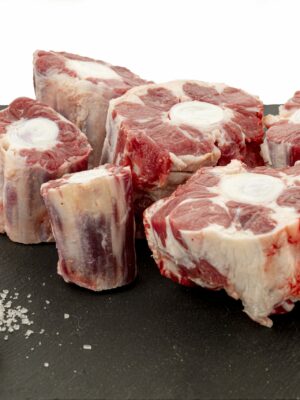 Oxtail
  White Kidney Beans
 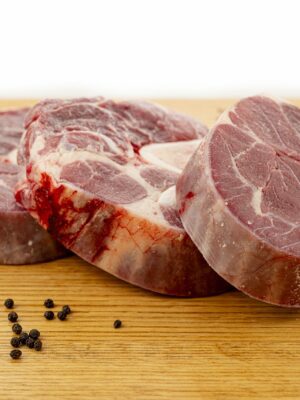 Beef osso buco