A commercially sterilised canned food may remain shelf-stable for months or years while unopened, but that stability changes as soon as the container is opened. The hermetic seal is lost, oxygen enters and the food can be exposed to microorganisms from hands, utensils and the kitchen environment.
This is why “how long does canned food last?” has two completely different answers: one for the unopened product and one for the opened product. After opening, the practical rule is to refrigerate promptly, prevent contamination and follow the manufacturer's specific instructions.
Related guides: how long canned foods last and signs of spoilagewhen colour changes in canned vegetables are normalwhether to rinse canned or jarred vegetablesshop preserves
Quick answer: how many days?
There is no single number for every canned food. As general food-safety guidance, USDA distinguishes between low-acid canned foods, commonly kept around 3–4 days in the refrigerator, and high-acid products such as tomato foods, fruit and pickles, for which it gives an indicative range of 5–7 days.
Those ranges do not override the label. Spanish food-safety guidance emphasises that once a package is opened, the manufacturer may set a specific secondary shelf life, such as “refrigerate after opening and consume within three days”. If the label gives a shorter period, follow it.
Why opening changes storage so much
Before opening, thermal processing, product composition and the sealed container work together to keep the food stable under the stated conditions. Once opened, that protected system no longer exists.
Food may be contaminated by hands, cutlery, work surfaces, refrigerator drips or ingredients introduced into the jar. Refrigerator temperature, pH, salt, sugar, vinegar and the specific recipe then influence how quickly safety and quality decline.
The label takes priority
Look for wording such as “refrigerate after opening”, “consume within X days” or instructions to keep the food covered by its packing liquid. These statements are based on the particular product and process.
A simple home habit is to write the opening date on the container. If you no longer know when it was opened, uncertainty is not a good reason to stretch the storage period.
Low-acid foods
Beans, chickpeas, peas, corn, carrots, spinach, potatoes, soups, meats and many other low-acid canned foods deserve particular care after opening. When there is no more specific manufacturer instruction, the general 3–4 day refrigerated range is a useful benchmark.
Take out only the amount needed with a clean utensil and return the remainder to refrigeration promptly.
High-acid foods
Acidity slows the growth of many microorganisms, so some acidic canned foods can have a somewhat longer refrigerated period. USDA gives a general 5–7 day range for products such as tomatoes, fruit, pickles, sauerkraut and foods in vinegar-based sauces.
This does not mean every food containing tomato or vinegar automatically lasts a week. Product formulation and label instructions still come first.
Should food be transferred out of an opened can?
An opened can can be refrigerated for a short time, but transferring leftovers to a clean food-grade covered container is preferable for flavour and quality and makes sealing, dating and handling easier.
Our separate guide explains what to do with an opened can in the refrigerator. This article focuses on shelf life after opening.
What about glass jars?
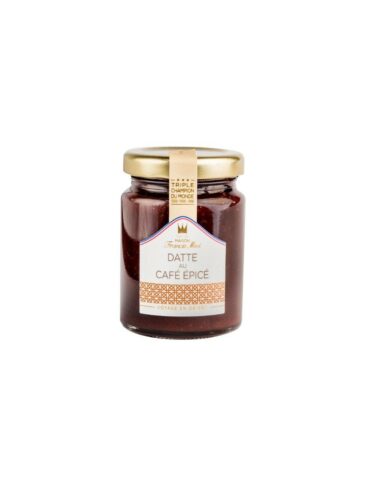
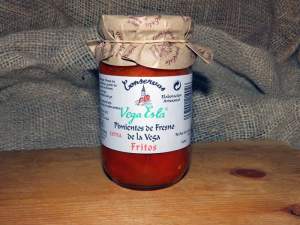
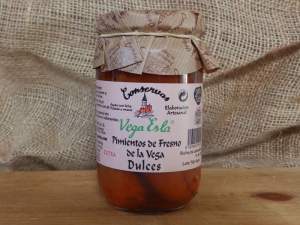
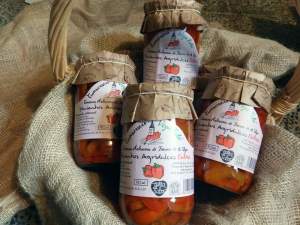
If the preserve comes in a glass jar with a lid that still closes properly, it can normally be refrigerated in the original jar, provided the rim and lid are clean and the label instructions are followed.
Do not return a spoon that has been in someone's mouth to the jar. Cross-contamination can shorten useful storage far more than the choice between glass and another food-safe container.
Should food remain under oil, brine or packing liquid?
Many products are intended to remain covered by their packing liquid after opening. This reduces air exposure and helps preserve texture and flavour. Follow any label instruction to keep the contents submerged.
Do not improvise by topping the jar up with tap water or fresh oil and assume that the original preservation process has been restored. It has not.
Preserves and semi-preserves are different
A semi-preserve may require refrigeration even before opening because its processing and shelf life are different. Do not automatically apply shelf-stable canned-food timings to refrigerated products such as certain anchovies.
See our guide to preserves vs semi-preserves.
Warning signs
- Visible mould.
- A clearly abnormal or unexpected fermented smell.
- Unexpected gas or bubbling.
- Slime or a major texture change.
- Colour change together with other spoilage signs.
- An unknown opening date and genuine doubt about storage.
Do not taste suspicious food to test whether it is safe. Flavour is not a reliable safety test.
Can leftovers be frozen?
Some opened canned foods can be frozen before they reach the end of their refrigerated life, although texture may change. Use a suitable container, portion the food and date it. Our guide to freezing opened preserves explains which products cope best.
A simple low-waste routine
- Read the storage instruction when opening the pack.
- Serve with clean utensils.
- Close the jar or transfer can leftovers to a suitable container.
- Refrigerate promptly.
- Write down the opening date.
- Plan to use the remainder within the stated period.
- If you will not use it in time and the food freezes well, freeze a portion early.
Bottom line
Opened canned food is no longer a shelf-stable product. As broad guidance, many low-acid canned foods are handled within about 3–4 refrigerated days and some high-acid foods within 5–7 days, but the manufacturer's instruction takes priority. Clean handling, cold storage, a known opening date and a covered container are the most useful safeguards.