It is tempting to choose an exotic burger by the animal name that sounds most adventurous. Yet the greatest differences in the finished meal may come from much smaller print: meat percentage, added fat, seasoning, allergens and whether the item is raw or precooked. Two burgers made from the same species can taste and cook very differently. Comparing four species without reading the recipes is not a meaningful tasting exercise.
This guide is about choosing fairly, serving a useful tasting and treating ground meat with the safety it deserves—not awarding a prize to the most unusual name.
The label matters more than the marketing title
| What to read | Why it matters |
|---|---|
| Species and meat percentage | Shows whether it is a single-species burger or a mixture |
| Added fat and other ingredients | Affect juiciness, flavour, texture and nutrition |
| Allergens | Egg, milk, flour, sulphites and other ingredients may be present |
| Raw, precooked or breaded | Determines the proper cooking method and package instructions |
| Weight per piece | Makes portions and price comparisons meaningful |
Do not assume a product called a bison burger contains exclusively bison meat. Read the complete ingredient list, especially when cooking for guests with dietary restrictions or allergies.
What might the four species taste like?
Kangaroo: plain kangaroo meat can have a relatively pronounced red-meat profile with game-like notes, but in burgers added fats and seasonings strongly affect the result. If you want to understand the plain meat first, start with our kangaroo cooking guide.
Bison: the flavour may feel familiar to beef eaters without being identical. USDA composition figures for particular lean cuts cannot be assigned to any processed burger without reading its recipe. The USDA bison factsheet also explains how ground bison must be cooked differently from intact steaks.
Ostrich: although it is a bird, ostrich meat looks and eats more like some lean red meats. Additional ingredients may change an ostrich burger's juiciness. Read our ostrich meat guide to explore intact cuts.
Crocodile: natural cuts can have a comparatively delicate taste, but processed patties and breaded items are affected by the rest of the recipe. A highly seasoned burger will not reveal the flavour of a plain crocodile fillet. Our crocodile cooking guide explains why the format matters.
A tasting for four that tells you something
Choose four burgers of similar weight and serve tasting-sized portions. Prepare simple buns, soft onions and a few mild toppings, but offer sauces separately for the first bite. Otherwise, guests may end up comparing barbecue sauce rather than meat.
Clearly label the samples before cooking. Use clean utensils, and cook in batches if your cooking surface cannot maintain an even temperature. A lean burger still needs ground-meat food safety; it is not a rare steak.
For each burger, record the species, stated meat percentage, main seasonings and weight. Ask guests to describe flavour and texture separately. That is a more useful experiment than assigning a single star rating to each animal.
Food safety: ground is not the same as intact
Grinding meat can distribute surface bacteria throughout the product. That is why a burger needs thorough cooking appropriate to the mixture, even if an intact steak of another species might be treated differently.
Food Standards Australia New Zealand recommends that minced and rolled meat products, including burgers and sausages, reach 75°C in the centre. The USDA provides 71°C guidance for certain ground meats, including bison, and 74°C for poultry. Exotic blends vary; follow the product-specific safe-cooking instructions and verify the centre with a thermometer rather than guessing from colour.
Keep portions cold until cooking, thaw as instructed and never put a cooked burger onto a tray that previously held raw meat.
Choosing a favourite without confusing recipe and species
After tasting, separate your impressions into three questions: did you like the meat's flavour, the recipe's texture, and the fat or seasoning balance? You may discover that a particular formulation, rather than an entire species, is what you want to buy again.
If you are planning to cook several exotic meats outdoors, our barbecue guide distinguishes steaks from burgers and other prepared products.
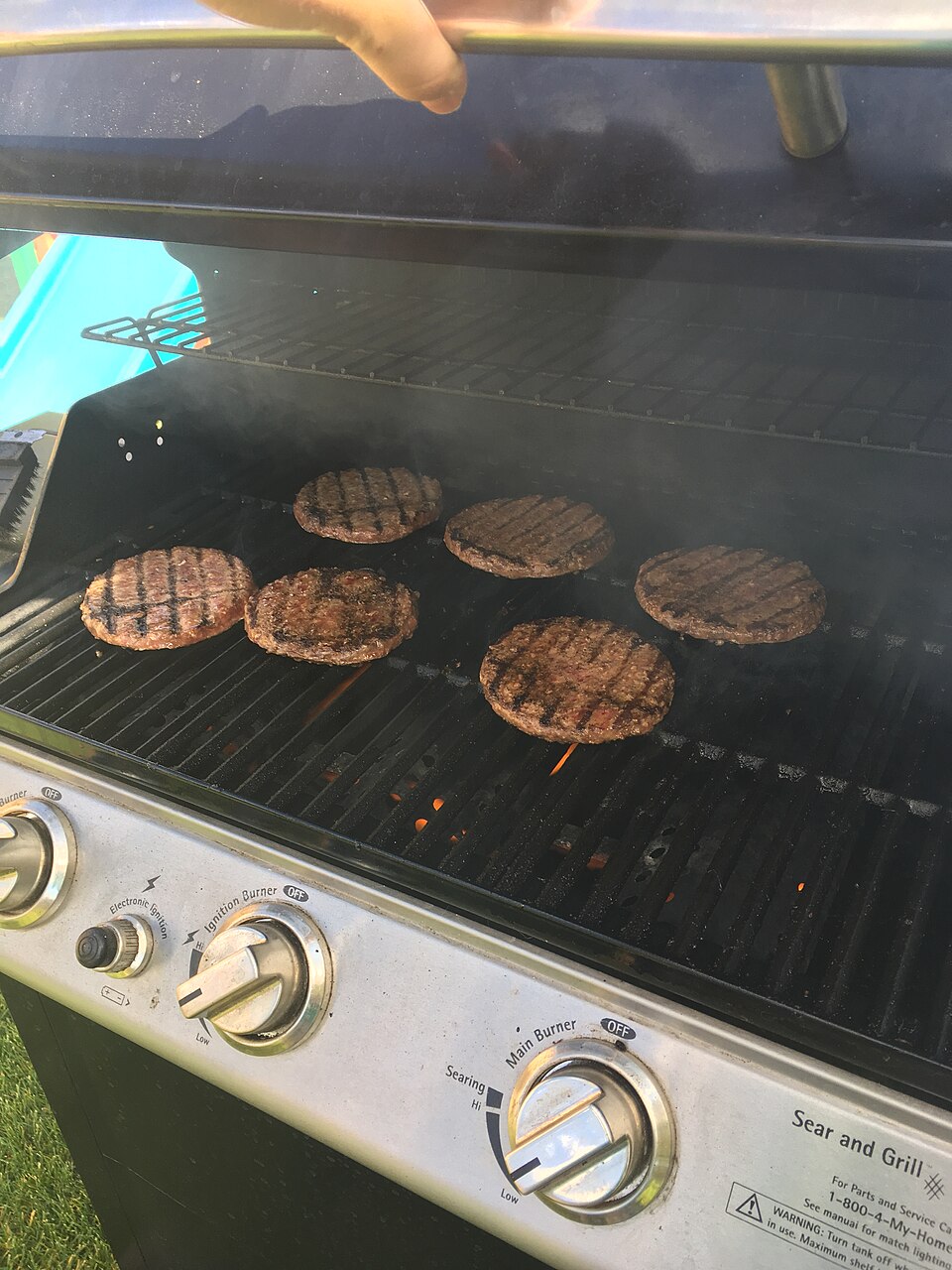
Illustrative photograph of burgers; the species of the pictured meat is not identified. Photograph: Jenniferjanette1 / Wikimedia Commons. License CC BY-SA 4.0. Image resized for web display.

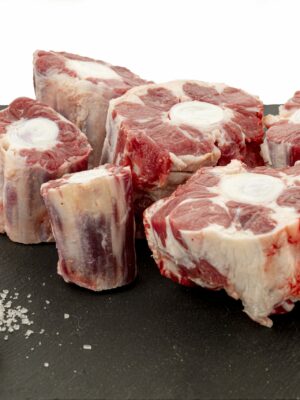 Oxtail
  100% mature beef burgers – gluten-free (2)