Buying seasonal fruit sounds simple until you open a shop catalogue and see mangoes, oranges, strawberries and melons all advertised together. Some of that availability reflects different growing regions, storage methods, protected cultivation and imports. A useful calendar should therefore help you recognise which fruits are commonly harvested in Spain at different times, not promise that every item on a retailer's shelf was just picked locally.
This guide covers fresh fruit only. Vegetables have their own seasonal cycles and shopping considerations. The timing below is approximate for Spain; growing region, variety and weather can shift the harvest by days or weeks. Check the individual product's stated origin when you buy.
January, February and March: winter fruit and early berries
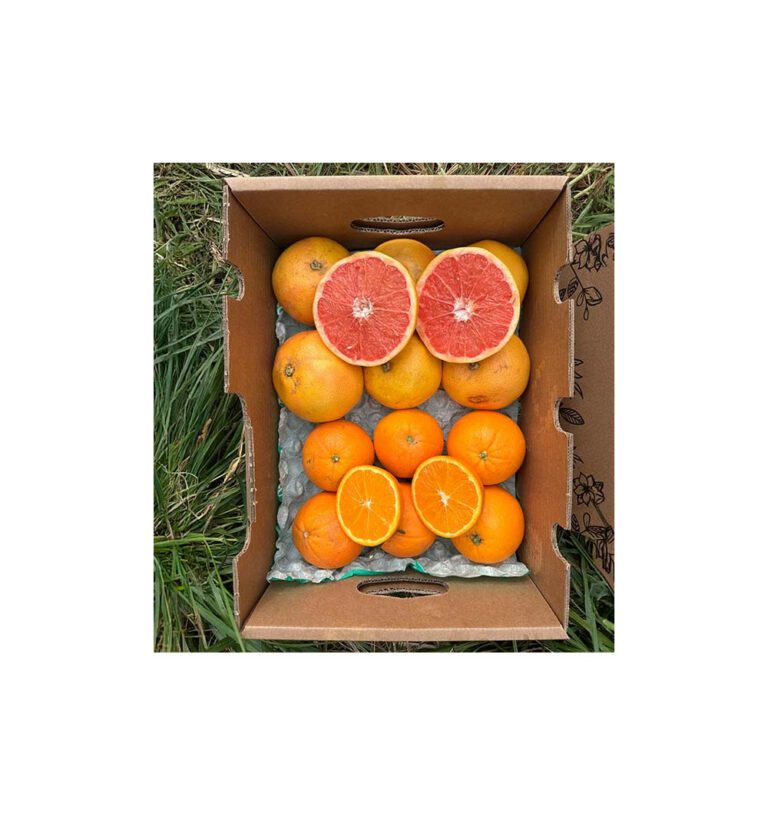
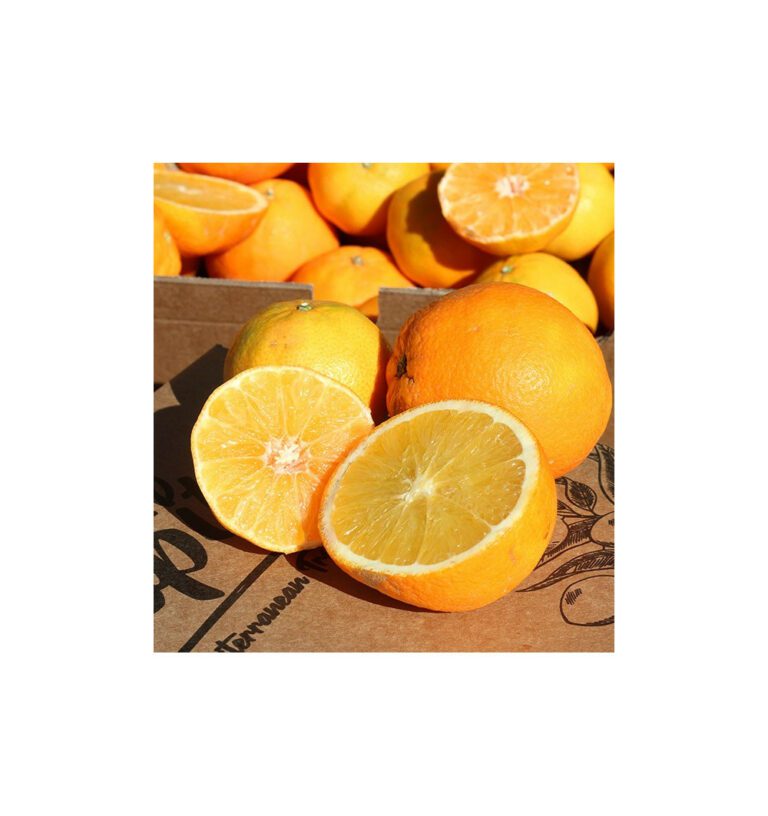
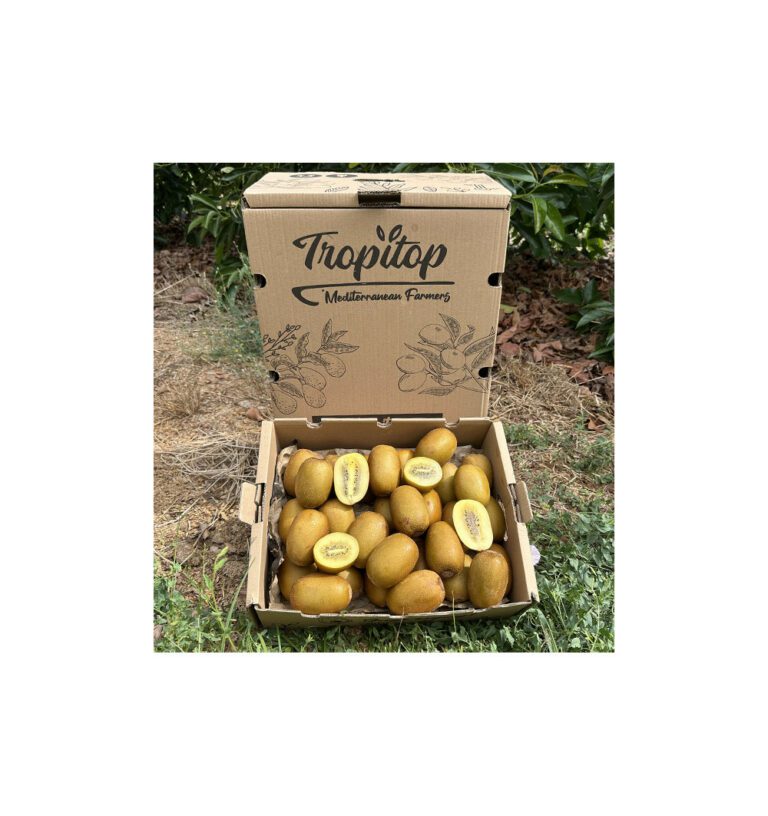
January. Oranges, mandarins and other winter citrus are natural candidates. Kiwis, apples and pears may also be readily available, sometimes thanks to suitable storage after earlier harvests. Spanish avocados from certain growing regions and cultivars can be in season too. For boxes of oranges, check whether the variety is better suited to eating whole or squeezing.
February. Citrus continues to feature strongly. Strawberries may start appearing more widely as the growing season develops in some regions and production systems. Comparing several mandarins or oranges can be particularly rewarding at this time. Other fruit may still be available, but being sold in February does not automatically make it a Spanish winter crop.
March. Strawberries become more visible, while part of the citrus offer continues. Apples, pears and kiwis can also remain on sale. In some cases, these have been kept in appropriate storage rather than harvested during that particular week. It is useful to distinguish “currently available” from “picked now”.
April, May and June: the fruit bowl changes
April. Strawberries can be a particularly appealing purchase. Loquats begin appearing in some growing regions, while citrus moves towards later varieties. If ordering strawberries online, pay attention to delivery timing: they are delicate, easily bruised and not well suited to very long storage.
May. Loquats, strawberries, early apricots and first cherries signal the transition to stone fruit. Dates vary considerably with region and weather. A large box of ripe cherries can be tempting, but their texture can deteriorate quickly if you do not plan to eat them soon.
June. Apricots, cherries, peaches and nectarines often become attractive options. Melons and watermelons may begin appearing from certain Spanish growing areas. Stone fruit changes texture as it ripens, so online buyers should check whether the fruit is expected to arrive firm or ready for immediate eating.
July, August and September: the heart of summer
July. Melon and watermelon are central to many Spanish summer fruit selections, alongside peaches, nectarines, plums and other stone fruit. Larger fruit can be economical for a family, provided you have enough space and can eat it before it deteriorates.
August. Melons, watermelons and stone fruit continue. Figs, some early grapes and new-season pears may appear depending on the region. If you are going away for several days, think twice before ordering a large case of ripe fruit. Refrigeration does not make delicate summer produce last indefinitely.
September. Grapes, figs, pears and apples mark the transition towards autumn. Locally grown mango can also begin appearing in suitable areas of southern Spain, especially Andalusia. If Spanish mango is important to you, look for a named cultivar: Osteen is one of the region's significant varieties.
October through December: autumn harvests and the return of citrus
October. Pomegranates, persimmons, quinces, late grapes and apples are common autumn options. Spanish-grown mango can continue in some cultivars and areas, subject to harvest conditions. Persimmons can have very different textures depending on the cultivar and processing, so their colour does not tell the entire story.
November. Oranges and mandarins from new harvests begin to feature more strongly. Persimmons, pomegranates and cherimoyas can also be relevant. Autumn can be a good time to explore mixed fruit boxes, as long as the retailer explains which components are guaranteed and which vary with availability.
December. Winter citrus takes centre stage. Kiwis, apples, pears and some later seasonal produce round out the selection. For family gatherings, choose varieties that can be eaten over several days rather than purchasing a large amount of fruit that will all become overripe at once.
A quick seasonal overview
| Approximate period | Spanish fruit commonly associated with it |
|---|---|
| January–March | Oranges, mandarins, kiwi and increasingly strawberries |
| April–June | Strawberries, loquats, cherries, apricots and early summer fruit |
| July–September | Melons, watermelons, peaches, nectarines, plums, figs and grapes |
| October–December | Pomegranates, persimmons, quinces, cherimoyas and citrus |
The Spanish Ministry of Agriculture publishes a seasonal fruit calendar as a broad reference. Commercial availability can extend beyond the local harvest period, and the intensity of supply changes during each season.
Using the calendar to shop rather than simply browse
Start with two or three fruits your household actually enjoys and check their present availability. For delicate items such as strawberries, cherries and figs, choose quantities you can finish soon. With suitable storage, some citrus and other robust fruit may be practical to buy in larger amounts.
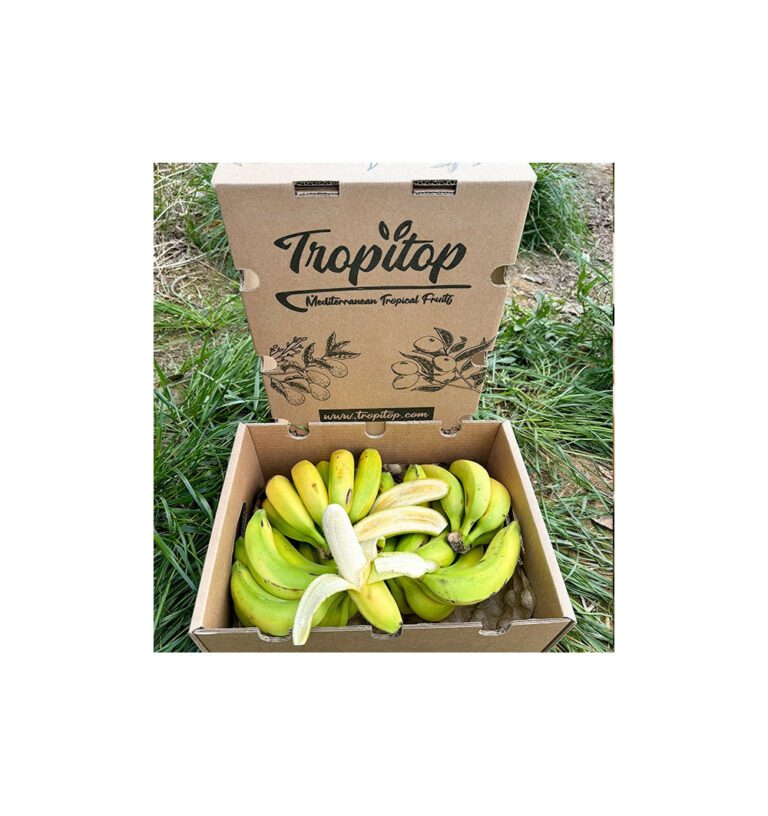
When ordering fresh fruit online, check net weight, growing origin, fruit size if relevant, delivery charges and likely ripeness on arrival. Photographs of mixed boxes are illustrative unless the exact contents are stated. “Seasonal” does not automatically mean “organic”, nor does it guarantee that the fruit came from the closest farm.
Think of a calendar as a compass rather than a list of rules. It helps you recognise changing harvests and explore varieties at their best, but the final choice should still depend on the real fruit available, clear product descriptions and what your household can enjoy without waste.