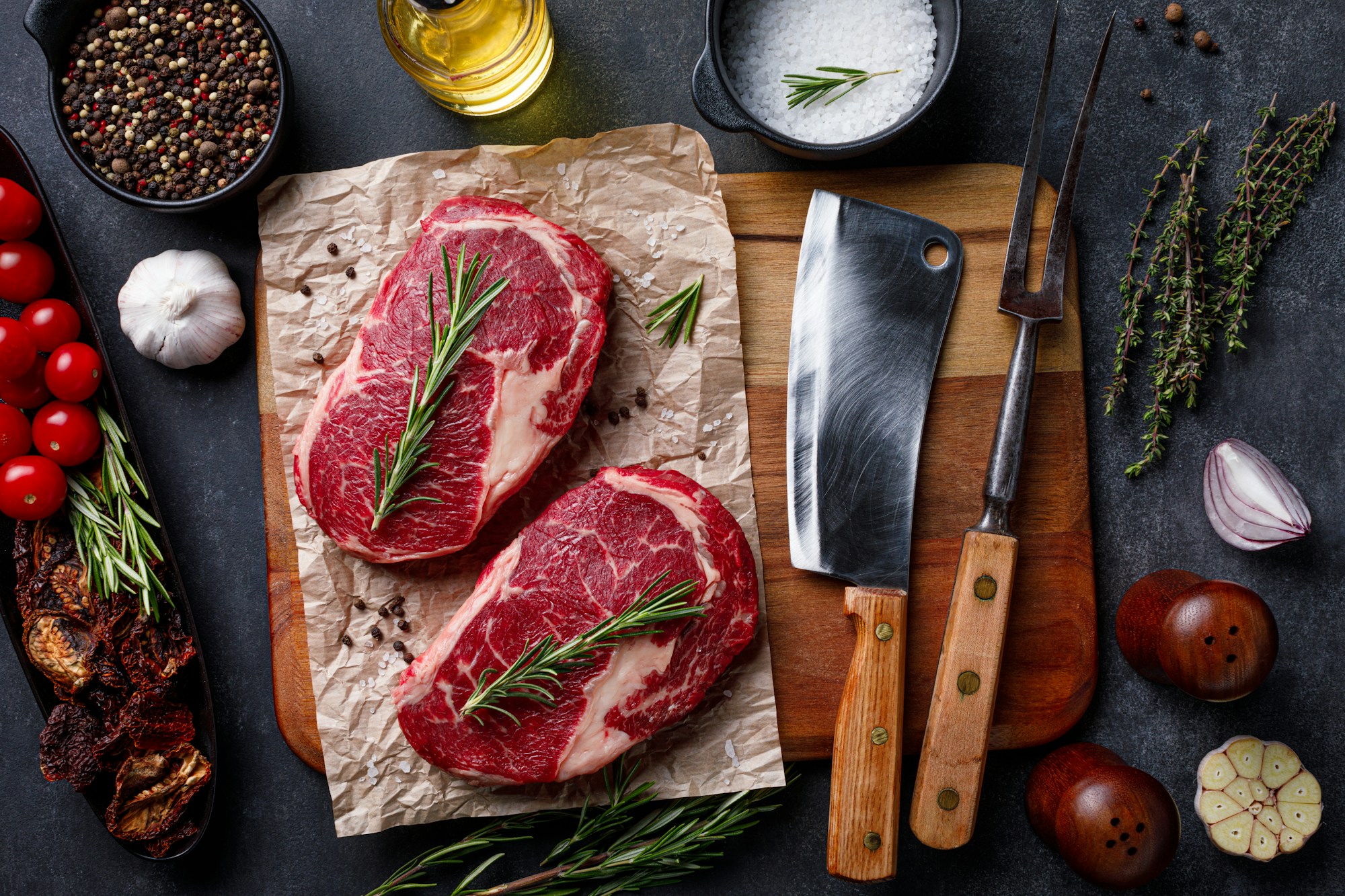
Buying meat online should not be an act of faith based on an attractive photograph. A strong product page needs to replace much of the conversation we would normally have at a butcher’s counter: which cut it is, how much arrives, how it is packed, its delivery condition, how it should be stored and which cooking methods suit it.
When that information is present, online buying has an advantage: we can compare calmly and return to the details before deciding. The problem begins when every product is described with the same adjectives — “premium”, “selection”, “gourmet” — while the practical information required for cooking is missing.
The cut matters more than the photograph
Different muscles from the same animal perform very different jobs. Muscles that work less often generally contain less connective tissue and can be tender with quick cooking. Other muscles contribute heavily to movement and contain more collagen; they need time, moisture or controlled temperatures for that structure to soften.
There is therefore no single “best cut”. Fillet may be excellent for brief cooking, but paying fillet prices makes little sense for a braise that benefits from cheek, shank, chuck or another more structured cut. Conversely, a slow-cooking cut can feel tough when treated like a quick-fry steak.
Think about the dish first and choose the cut second. Reversing the usual order prevents many disappointing purchases.
Weight, number of pieces and tolerance: understand the quantity
Final price is only comparable when quantity is clear. A listing should state whether the product is sold by weight, tray, whole piece or as part of a bundle. Hand-cut pieces can reasonably vary in weight; what matters is that the customer can anticipate that variation.
Bundles need even more detail. Knowing that a box weighs three or five kilograms is useful, but knowing which cuts are included and roughly how the weight is distributed makes planning far easier and prevents a freezer full of unidentified pieces.
Fresh, chilled, vacuum-packed or frozen are not interchangeable terms
“Fresh” may describe the product broadly, but practical information needs to be more specific. Customers should know whether the meat will arrive chilled or frozen, whether it is vacuum-packed or packed by another method, and what to do as soon as it arrives.
Meat is perishable and the cold chain matters. If a parcel arrives in a condition that raises reasonable doubts — inappropriate temperature, damaged packaging, lost vacuum or signs of deterioration — do not improvise. Follow the seller’s instructions and contact customer support where appropriate.
Food safety and culinary quality are also separate ideas. A product can remain safe yet lose some of the texture or juiciness you expected because it was thawed badly or stored for too long.
What colour tells us — and what it does not
Meat colour changes with myoglobin chemistry and oxygen exposure. Vacuum-packed beef may look darker or purplish and become brighter red after exposure to air. Colour alone is therefore a poor diagnosis of quality, especially from a photograph or immediately after opening.
Smell, package integrity, date, temperature and overall appearance should be considered together. Producer information and storage instructions are much more reliable than simplistic rules such as “redder is always better”.
Fat and marbling: tenderness is not the whole story
Intramuscular fat can contribute to juiciness and flavour, particularly in cuts cooked at temperatures that allow that fat to soften. But more fat is not automatically better for every recipe. In mince, fat percentage strongly influences texture and juiciness; in a long braise, connective tissue can matter just as much as marbling.
Be cautious when “marbling” is used as the only proof of quality without explaining breed, cut, maturation or intended use. Quality is a combination of variables.
Maturation: useful when it is explained properly
For certain beef cuts, controlled ageing allows natural enzymes to act on muscle structures and can change tenderness and flavour. But “aged” is not a magic word. Time, method, temperature, humidity and process control all matter.
If a listing highlights a specific ageing period, it should explain the context. A number of days on its own tells less than it appears to.
Origin, producer and traceability
In a producer marketplace, knowing who prepares and dispatches the meat adds real context. It helps customers understand the seller’s specialisation, delivery terms and documented information such as breed or production system.
That is more useful than a stack of adjectives. A professional listing should provide verifiable facts and distinguish them from marketing language. At El Mercado de Origen, third-party products are prepared and dispatched by the corresponding seller, while the platform facilitates purchase, tracking and customer assistance.
A checklist before adding to the basket
- Do I know exactly which cut it is and how I plan to cook it?
- Do I understand the weight, number of pieces and selling format?
- Is it clear whether the meat arrives chilled or frozen and how to store it?
- Are claims about breed, ageing or origin documented?
- Do I understand the producer’s delivery conditions?
Once those questions are answered, buying meat online stops being a gamble and becomes a properly informed purchase. Apply these criteria while browsing our meat selection.
Related products
-
Sale!
 Select options
This product has multiple variants. The options may be chosen on the product page
Select options
This product has multiple variants. The options may be chosen on the product page


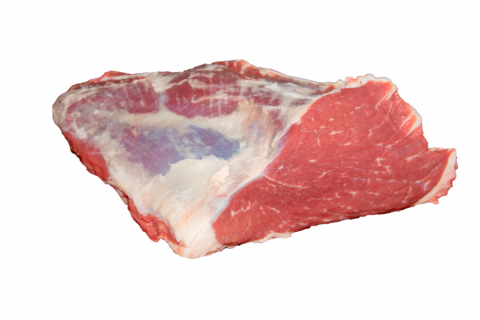

 Beef picanha (rump cap)