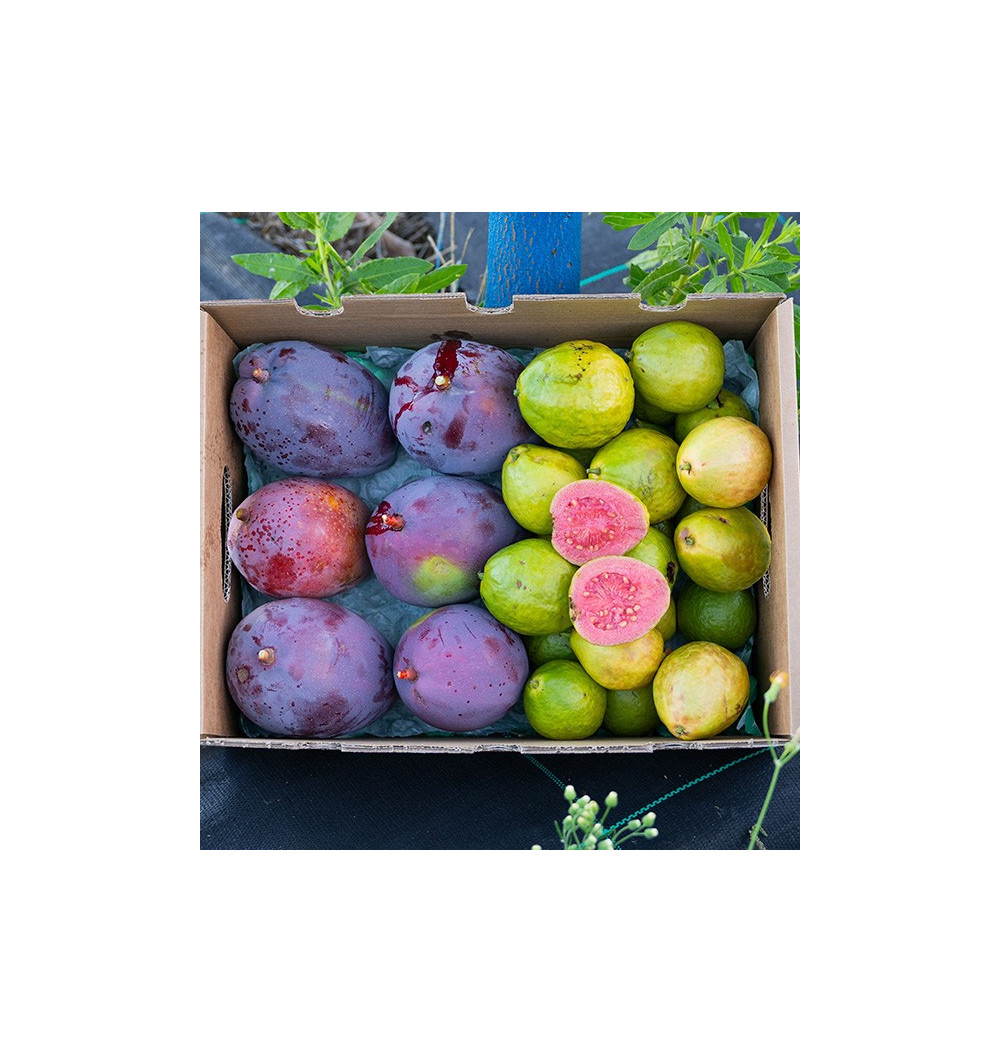
One of the easiest mistakes when buying mangoes is choosing the fruit with the reddest or yellowest skin. Bright colour seems to promise ripeness and sweetness. But varieties behave differently. A Keitt can be wonderful while still looking green, and a dramatically red Tommy Atkins may need more time before it develops a pleasant texture. Good mango buying is about more than the picture.
The most useful clues are variety, a slight give under gentle pressure and a pleasant aroma near the stem. None is perfect on its own. Taken together, and considered alongside when you intend to eat the fruit, they make choosing much easier.
Feel gently rather than squeezing hard
Hold the mango in your hand and apply gentle pressure without leaving fingertip dents. A fruit ready to eat will often yield a little, rather like a ripe peach. A completely rigid mango usually needs more time. Deep soft patches, watery areas or extensive damage may suggest bruising or that the fruit has gone too far.
Repeated squeezing can damage an otherwise good piece of fruit. A local bruise may feel soft even when the rest of the flesh is still firm. Look at the overall condition as well as how one spot feels. Size is not the answer either: a larger mango is not necessarily riper or sweeter than a smaller one.
Smell can be more informative than skin colour
Bring the mango towards your nose and check around the stem end. In many varieties, a pleasant fruity aroma can be a sign of ripeness. A weak aroma may mean the fruit needs more time, although varieties and storage conditions differ. A fermented, alcoholic or unpleasant smell, particularly alongside deeply softened areas, is a warning sign.
The National Mango Board recommends judging ripeness by a gentle squeeze rather than relying on skin colour, which is heavily influenced by variety. That is useful with Keitt, Kent and Osteen, whose green patches and red blushes do not all mean the same thing.
A mango that leaks liquid, is visibly mouldy or has extensive bruising should not be chosen merely because it seems extra ripe. Pleasant ripeness and deterioration are not interchangeable.
Why a green Keitt may be ready to eat
Keitt can retain a largely green skin as its flesh ripens. Osteen may display mixtures of purple, red and green. Ataulfo moves towards warm yellow tones, but even there, touch and aroma are helpful. Kent and Tommy Atkins have yet other patterns. It is worth knowing the cultivar instead of judging every mango against one photograph.
Our guide to Osteen, Kent, Keitt and other mango varieties explains differences in fibre, flavour and texture. Knowing whether the fruit is intended to be eaten with a spoon or cut into substantial pieces can be almost as useful as knowing its ripeness.
If the seller does not name the variety, check at least the growing origin and what they say about its condition on arrival. A producer who clearly explains that the fruit will finish ripening at home can be more helpful than a retailer promising perfection without details.
Ripening a firm mango at home
Leave it at room temperature in a ventilated place, away from direct sun and strong heat. Mangoes can continue ripening after harvest. Check once a day for slight softness and a developing fruity aroma. Depending on the starting point and room conditions, this can take a short while or several days.
A loosely folded paper bag alongside another ethylene-producing fruit can help encourage ripening. Do not seal the bag airtight, and watch for moisture or spoilage. It is not a guarantee of a ripe mango overnight. Nor do an oven or microwave recreate the aroma and flavour changes that occur during natural ripening.
The refrigerator is not generally the place to speed up ripening in a hard mango. Once the fruit is ready to eat, chilling can slow further softening. Long exposure to very low temperatures may damage mangoes, with sensitivity depending on ripeness and storage conditions.
Sorting a delivery of mangoes
Open the box when it arrives and inspect the pieces. Group them roughly by firmness, keeping the most advanced for the first meals. Avoid piling fruit in a way that bruises the bottom layer. If several varieties arrive together, do not expect their skins to change colour in the same way.
If you cut one open and find the flesh too firm, it will not continue ripening exactly as an intact fruit would. If sound, you may use it in a dish that suits a firmer texture. Store cut, ripe mango promptly in a clean, covered container in the refrigerator.
Choose for the day you plan to eat it. For tonight, look for gentle give and a pleasant aroma. For a few days from now, firmer fruit may be useful. For a large box, ask whether it is dispatched ready to eat or intended to finish ripening at home. That information is worth far more than spectacularly coloured skin. When choosing a box containing mangoes, check their expected condition on arrival before planning meals.