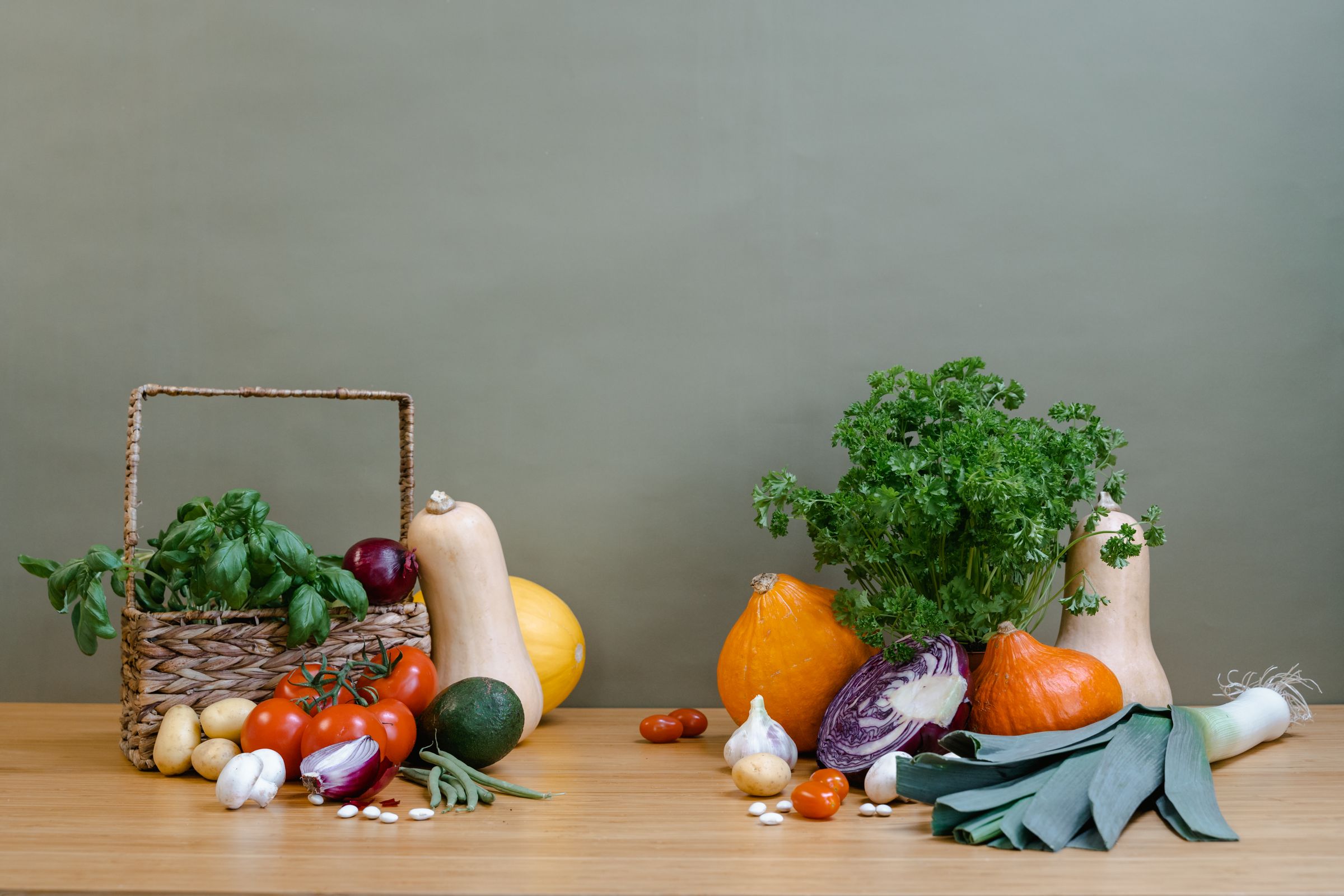
Excellent vegetables can lose much of their quality at home if they are stored badly. The difficulty is that “storing vegetables” is not a single operation. A tomato, potato, lettuce and onion have different needs. Some benefit from cold and humidity; others need ventilation; some lose texture or aroma when chilled too early.
Better storage does not mean finding a trick that makes everything last for weeks. It means slowing deterioration without unnecessarily sacrificing texture, aroma and flavour, while planning to eat the most delicate produce first. When vegetables have travelled directly from a grower, home storage is the final part of a freshness chain worth protecting.
The four variables that govern storage
Temperature, humidity, airflow and the physical condition of the produce explain much of what happens. Cold slows many deterioration processes and the growth of many microorganisms, but it does not benefit every product equally. Humidity helps leaves and stems retain water, although excessive condensation can encourage spoilage. Ventilation is particularly important for bulbs and tubers stored outside the refrigerator.
The fourth factor is often forgotten: a bruised, cut or damaged vegetable keeps less well than an intact one. Inspect your delivery, separate damaged pieces and plan to use them first rather than leaving them in contact with everything else for days.
The refrigerator: cold, but not identical in every zone
Official food-safety guidance generally recommends a refrigerator temperature of about 4 °C or below. Vegetable crisper drawers are not merely convenient storage boxes. They are designed to create a somewhat different environment from open shelves, particularly in terms of humidity. Leafy vegetables commonly benefit from higher humidity because they lose water readily.
The refrigerator door experiences larger temperature changes every time it opens, so it is not the best location for very perishable foods. Avoid overfilling the appliance to the point where cold air can no longer circulate properly.
Leafy greens: cold, controlled humidity and gentle handling
Lettuce, spinach, chard and other leaves have a large exposed surface and lose water quickly. Refrigeration is normally appropriate. The aim is to avoid two extremes: dehydration in dry air and wet leaves sitting in trapped condensation.
If the leaves arrive clean and dry, a container or suitable bag can reduce moisture loss without allowing free water to collect. If you wash before storage, dry them thoroughly. In many cases it is simpler to wash shortly before use. A wet leaf pressed against another wet leaf experiences a very different microenvironment from a fresh, dry leaf.
Tomatoes: balancing ripening, aroma and safety
Tomatoes are a classic example of why not everything should automatically be refrigerated. A whole tomato that still needs to ripen generally develops better at room temperature, away from direct sun and excessive heat. Prolonged refrigeration can reduce aromatic expression and alter texture.
Once very ripe, refrigeration can help slow deterioration if you will not eat the tomato immediately. Bring it back towards room temperature before serving to improve aroma perception. Cut tomato should be refrigerated and kept covered.
Potatoes: darkness, ventilation and no direct light
Potatoes prefer a cool, dry, dark and ventilated location. Light encourages greening and sprouting; a sealed, humid plastic bag encourages condensation. A ventilated box, basket or paper bag in a dark pantry is usually a better domestic solution.
Do not wash potatoes before long storage. Dry surface soil is not a storage problem, whereas added moisture can be. Wash them when you are ready to cook. Potatoes showing extensive greening, decay or abnormal characteristics should not simply be treated as normal pieces.
Onions and garlic: dry with good airflow
Whole onions and garlic keep well in a dry, dark, ventilated place. Mesh bags, baskets and open containers allow air to move. A refrigerator can provide too much humidity for long storage of intact bulbs.
Once cut, the situation changes: refrigerate them in a closed container. It is also sensible to avoid storing onions and potatoes tightly together for long periods; moisture and gases from one can contribute to faster deterioration of the other.
Peppers, aubergines, courgettes and cucumbers
These vegetables generally work well under refrigeration, particularly when they will not be eaten within a day or two. They are sensitive to water loss, so the crisper drawer helps. Very cold conditions and excessively long storage can still reduce quality in some of them. The practical answer is planned consumption rather than attempting indefinite storage.
Avoid washing them far in advance if they will remain damp. An intact, dry vegetable normally stores better than one sealed in a bag with droplets of water.
Carrots, radishes and other roots
Roots generally benefit from refrigeration and enough humidity to prevent wilting. If they arrive with leafy tops, those leaves continue to lose water and can draw moisture from the root. Removing the tops can help, while edible leaves can be used promptly when in good condition.
A carrot that has become slightly flexible through water loss is not the same as a piece showing actual decay. Learning to separate quality loss from spoilage helps reduce waste without ignoring food safety.
Broccoli, cauliflower and artichokes: prioritise them
These vegetables are not designed to wait indefinitely in the kitchen. Refrigeration slows change but quality can still decline quickly. Broccoli and cauliflower lose firmness and can develop stronger aromas; artichokes dehydrate and darken.
In a weekly shop, plan to cook them in the first days and leave potatoes, onions, certain squash and robust roots for later. The best storage system begins with the order in which you eat the food.
Ethylene: why some produce should not live together
Some fruits and vegetables produce ethylene, a natural gas involved in ripening. Others are sensitive to it. A home refrigerator does not need laboratory-level management, but it helps to know that storing highly ripe ethylene-producing produce beside sensitive vegetables can accelerate changes in colour, texture and ageing.
Ripe tomatoes, apples and bananas can produce significant ethylene. Leafy greens, cucumbers and other vegetables may be sensitive. Separating them when you have large quantities is a simple precaution.
Should vegetables be washed as soon as they arrive?
Vegetables eaten raw should be washed appropriately before consumption. But washing and storage are different steps. If washing leaves moisture trapped around the produce, shelf life can become shorter. Many intact vegetables therefore keep better while dry and are washed just before preparation.
If you prefer to wash in advance for convenience, drying becomes crucial. Salad spinners, clean cloths or absorbent paper can remove free water before refrigeration.
How to organise a weekly vegetable box
When your order arrives, divide it mentally into three groups. First, delicate produce to eat quickly: leaves, herbs, artichokes and very ripe vegetables. Second, medium-life produce such as peppers, courgettes, aubergines and carrots. Third, robust products that allow longer planning, such as potatoes, onions, garlic and suitable squash in sound condition.
This is more effective than trying to make every item last for the maximum possible time. The aim is for each vegetable to reach the plate while its qualities are still at their best.
Vegetables available now
La Huerta de Ana Mari's range changes with season and availability. The product block below is therefore dynamic and shows the latest products currently published in the vegetable category, turning the shop itself into a small living calendar of what is available.
- EMDO Selection

Reference sources: USDA Food Safety and Inspection Service refrigeration and food-safety guidance, together with standard post-harvest principles for fruit and vegetable storage. Exact storage life varies with crop, maturity, previous damage and real household conditions.
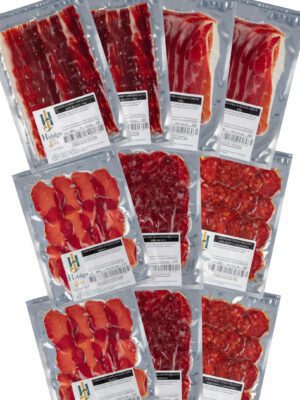 Tasting pack of 100% Iberian acorn (2x ham, 2x shoulder ham, 2x cured loin, 2x salchichón, 2x chorizo)