
How to store cheese properly: fridge, wrapping, temperature and common mistakes
Practical guide to storing opened cheese or wedges without drying them out or trapping excess moisture: fridge, wrapping, containers and serving.
Read the articleGuides to preserves and semi-preserves covering processing, sterilisation, labelling, storage and safety after opening. We explain how to read ingredients, net and drained weight, what the date on the pack means, when a dented can may be a concern and why some foods should not be stored in an opened can. We also cover the difference between a shelf-stable preserve and a chilled semi-preserve, and how shelf life changes after opening a jar or tin. The goal is to understand the product and store it correctly without confusing commercial shelf life with food safety.
Practical guide to storing opened cheese or wedges without drying them out or trapping excess moisture: fridge, wrapping, containers and serving.
Read the articleAn unopened preserve may keep for a long time, but opening starts a different shelf life. Learn useful time ranges, why the label takes priority…
Read the article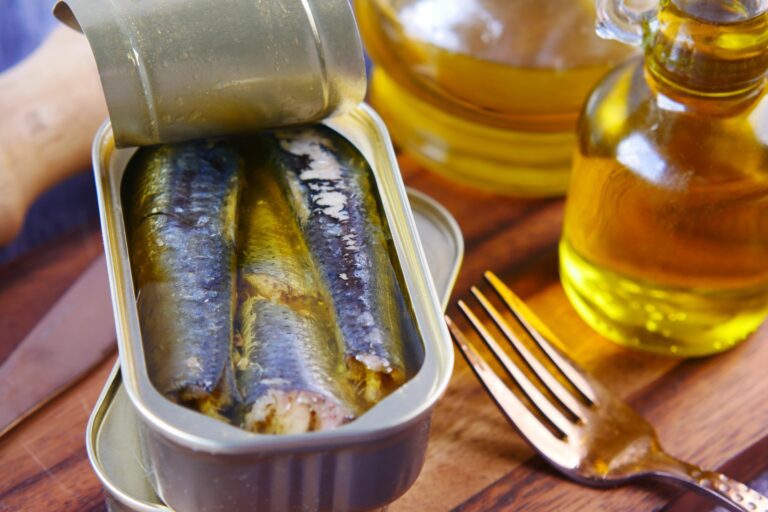
Preserves and semi-preserves can look similar on the shelf, but they do not have the same stability. The key differences are processing, refrigeration and shelf…
Read the articleA small dent does not always make canned food unsafe, but deep dents, damaged seams, leaks or bulging are discard signs. Learn how to inspect…
Read the articleAn opened can no longer behaves like a shelf-stable unopened preserve. Learn how long the food may keep, why transferring it to a clean covered…
Read the articleMany opened preserves can be frozen, but texture does not survive equally well in every product. Learn when freezing is worthwhile, what to do with…
Read the article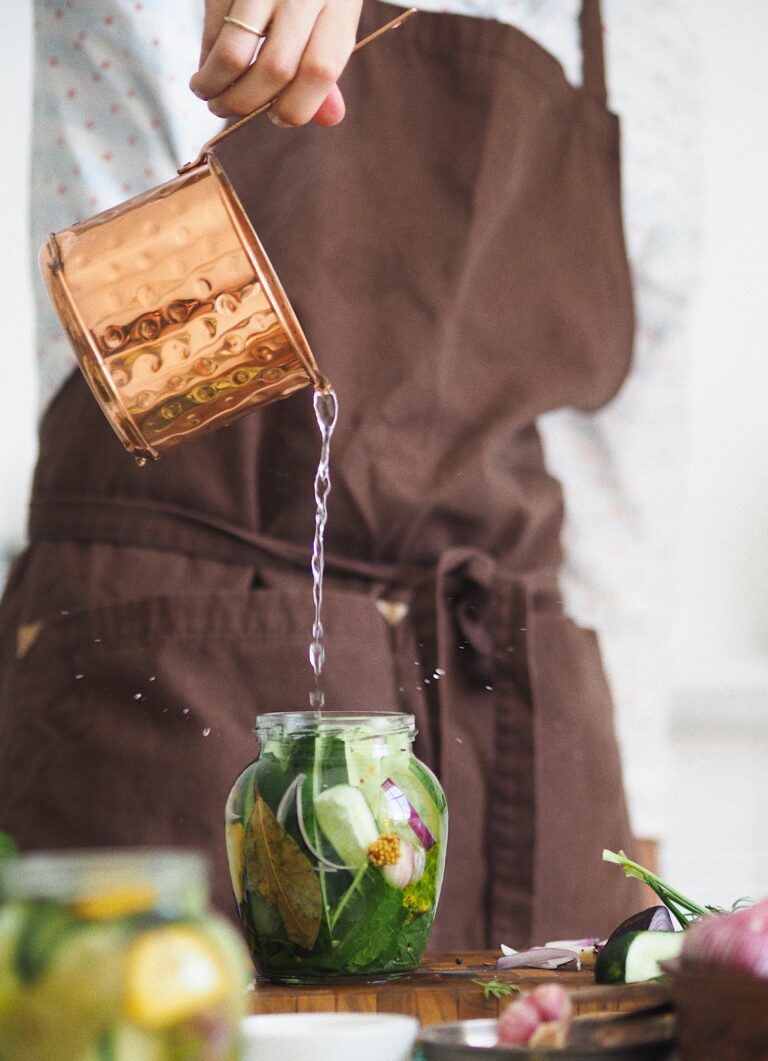
The liquid in a jar of vegetables is not always plain water or waste that should automatically be discarded. It may be water, brine, an…
Read the article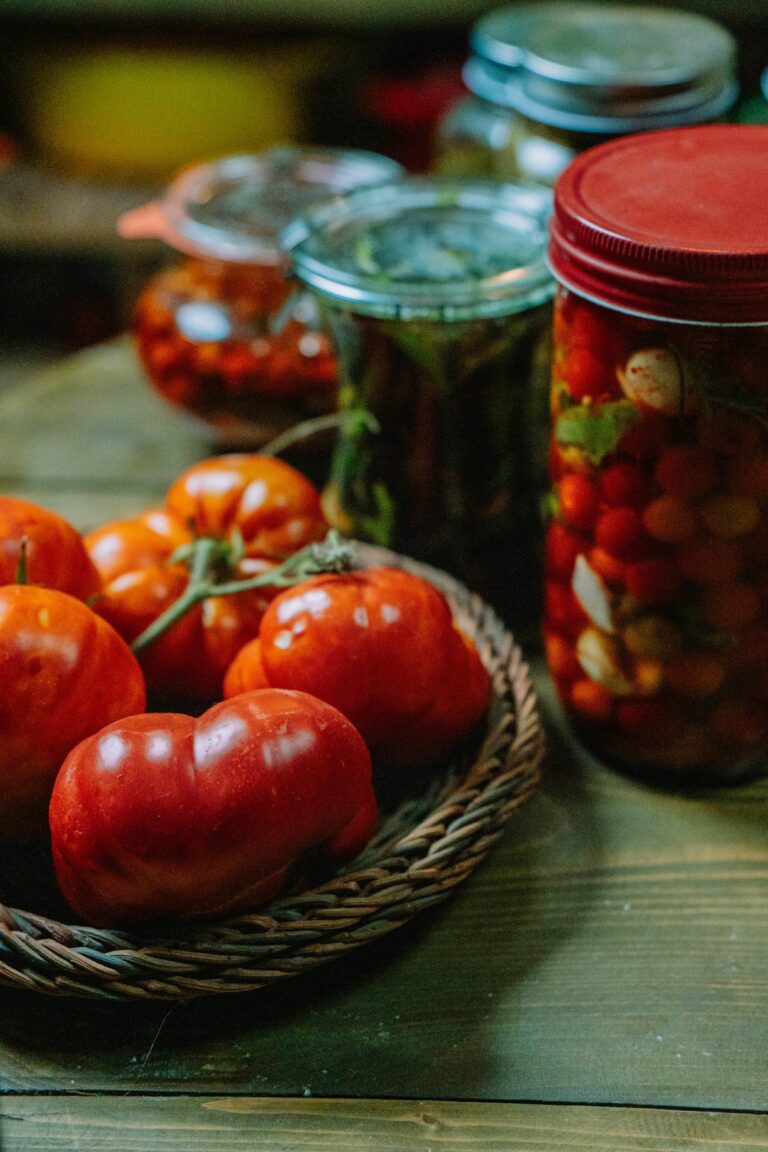
Canning changes some nutrients through heat and storage, but “fresh” does not automatically mean more nutritious in every case. Time since harvest, home cooking, packing…
Read the article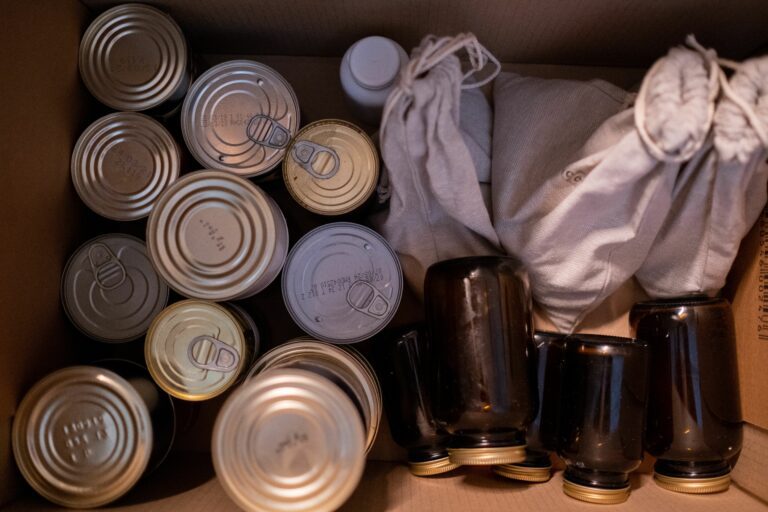
Glass jars and cans can both hold safe, high-quality preserves. They differ in light protection, weight, impact resistance, product visibility, closure and practical use, but…
Read the article
Net weight is the total quantity of food in the package excluding the container; drained weight is the amount of solid food remaining after specified…
Read the article
Commercial canned foods can last a long time, but not forever. Learn the difference between use-by and best-before dates, how to inspect cans and jars,…
Read the article
A preserve makes much more sense when you can distinguish net weight from drained weight, read the ingredient list, understand the packing liquid and interpret…
Read the articleSubscribe to our newsletter and receive 5% off your first order.