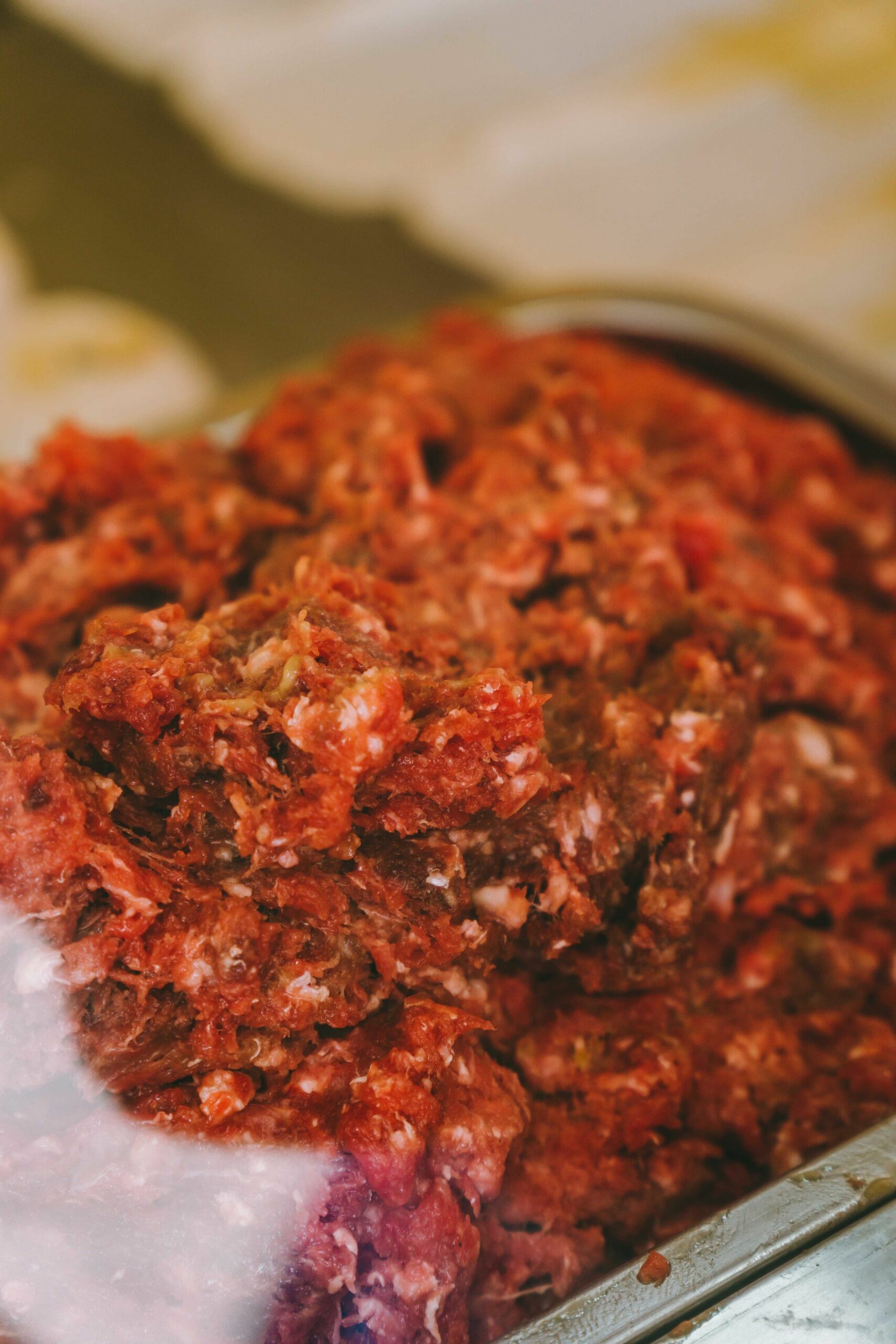
Ground beef is one of the most versatile butcher-shop formats. It can become burgers, meatballs, fillings, Bolognese sauce, meatloaf or a quick pan meal. But not all minced beef behaves in the same way. The cut used, fat level, added ingredients and how recently it was minced all affect the final result.
At El Mercado de Origen you can find 100% beef mince. Understanding the product description helps you choose the right pack and cook it appropriately for the dish you have in mind.
Related guides: beef protein per 100 g and by servinghow long meat can stay out of the fridgehow long beef and burgers keep frozenshop meat
What exactly is ground beef?
Ground or minced beef is made by mechanically chopping beef into small pieces. Breaking up a whole cut greatly increases the surface area exposed to air. That means its storage, handling and cooking are not exactly the same as those of a steak or a bone-in rib cut.
A useful product page should tell you the species, whether it is 100% meat or contains other ingredients, the pack weight, packaging format and storage conditions. If the description says 100% beef, you know you are not unknowingly buying a seasoned meat preparation.
Ground beef and meat preparations are not always the same
In everyday language we often call any tray of minced meat “ground beef”, yet the legal or commercial product name matters. A pack can be plain minced meat or a preparation containing salt, seasonings or other ingredients. That changes flavour, texture and the amount of control you have over a recipe.
For dishes where you want to choose the salt and seasoning yourself, plain 100% beef is especially flexible. A pre-seasoned product can also be useful, but it should be clearly described.
Which part of the animal is used?
There is no single compulsory cut. Mince may come from lean cuts, trimmings from larger cuts or a combination selected to balance meat and fat. In practical cooking, the most noticeable differences are usually the fat ratio and the quality of the starting beef.
Very lean mince can work well for sauces and some fillings, but it can dry out more easily. A little more fat often provides better juiciness and flavour in burgers and meatballs. “Leaner” therefore does not automatically mean “better” for every recipe.
How much fat works for different dishes?
| Dish | What generally works | What to watch |
|---|---|---|
| Burgers | Some fat helps maintain juiciness. | Avoid compressing the meat too firmly. |
| Meatballs | A balanced mixture supports a tender texture. | Do not overwork the mixture. |
| Bolognese or ragù | Relatively lean beef can work well. | Brown in batches so it does not steam. |
| Stuffed dishes | Choose according to the other ingredients. | If the filling already contains fat, leaner meat may fit better. |
What to check when buying minced beef
- Composition: is it 100% beef or a prepared meat product?
- Producer or seller: knowing who prepares it adds useful traceability.
- Net weight: compare the real weight rather than only the pack price.
- Storage instructions: follow the temperature and date information on the label.
- Packaging: the pack should arrive intact and without leaks.
- Use-by planning: decide early whether you will cook or freeze it according to the label.
Why ground beef needs more care than a whole steak
With an intact steak, most of the area exposed to the outside remains on the exterior. When beef is minced, that surface becomes mixed throughout the product. This is why minced meat deserves particular attention to refrigeration, hygiene and appropriate cooking.
Do not automatically use the same internal-doneness logic for a thick burger that you use for a whole steak. Our beef doneness and temperature guide explains the distinction in more detail.
How to store it when it arrives
Put the pack in the coldest suitable part of the refrigerator and follow the storage instructions and use-by date. If you will not cook it within the stated period, freeze it in good time rather than waiting until the last moment. See our guide to storing fresh meat and deciding when to freeze it.
Keep raw mince separate from ready-to-eat food and wash hands, knives, boards and surfaces after handling it. If the product has previously been frozen, follow the producer's instructions before deciding whether it can be frozen again.
How to brown ground beef instead of steaming it
An overcrowded pan is one of the most common mistakes. Adding a large amount of cold beef at once drops the pan temperature, releases moisture and makes the meat simmer in its own liquid. Use a wide hot pan and work in batches when necessary.
Spread the beef out, give it time to colour before stirring constantly, and then break it into the size required by the recipe. Bolognese and tacos usually benefit from a loose, fine texture; some fillings work better with larger pieces.
Making burgers from ground beef
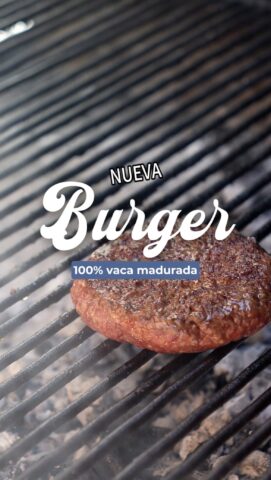
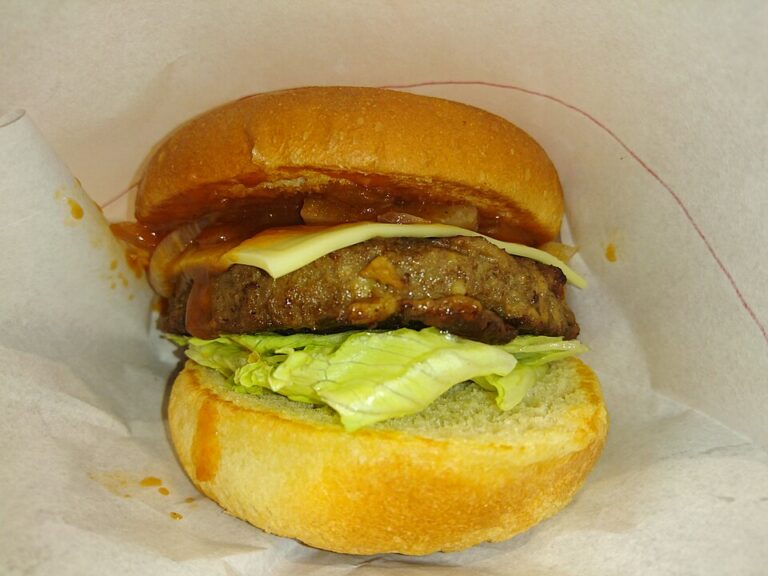
Handle the meat as little as practical. Compressing it aggressively can produce a dense burger. Divide it into similar portions, shape them gently and, for thick patties, a shallow indentation in the centre can help them keep a more even shape while cooking.
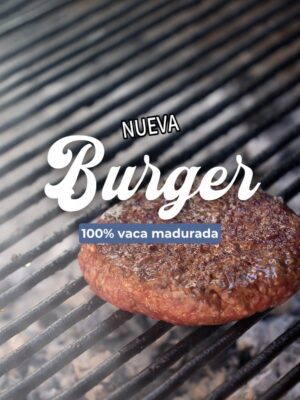
You can also buy formed beef burgers in our shop. For technique, see our complete guide to making a juicy beef burger at home.
Common mistakes
- Choosing only by colour instead of reading the composition and date.
- Assuming the leanest mince is automatically best for every dish.
- Leaving raw mince at room temperature while preparing the rest of the meal.
- Overcrowding the pan so the meat steams instead of browning.
- Overworking burger or meatball mixtures.
- Keeping an opened pack without remembering when it was opened.
Frequently asked questions
Are ground beef and minced veal the same?
Not necessarily. Names can refer to different animal ages and production standards, so flavour and fat can vary. Check the specific product description.
Is brighter red beef always better?
No. Colour changes with oxygen exposure, packaging and the characteristics of the meat. Composition, date, refrigeration, package integrity and seller information are more useful buying signals.
Can ground beef be frozen?
Yes when the product and its label allow it. Freeze it within the recommended period and protect it well to reduce freezer burn and loss of quality.
Beef for the recipes you cook at home
The best mince is not defined by one universal number. It is the beef that suits your recipe and arrives with clear information about composition, weight and storage.
-
Sale!
 Select options
This product has multiple variants. The options may be chosen on the product page
Select options
This product has multiple variants. The options may be chosen on the product page



 100% mature beef burgers – gluten-free (2)