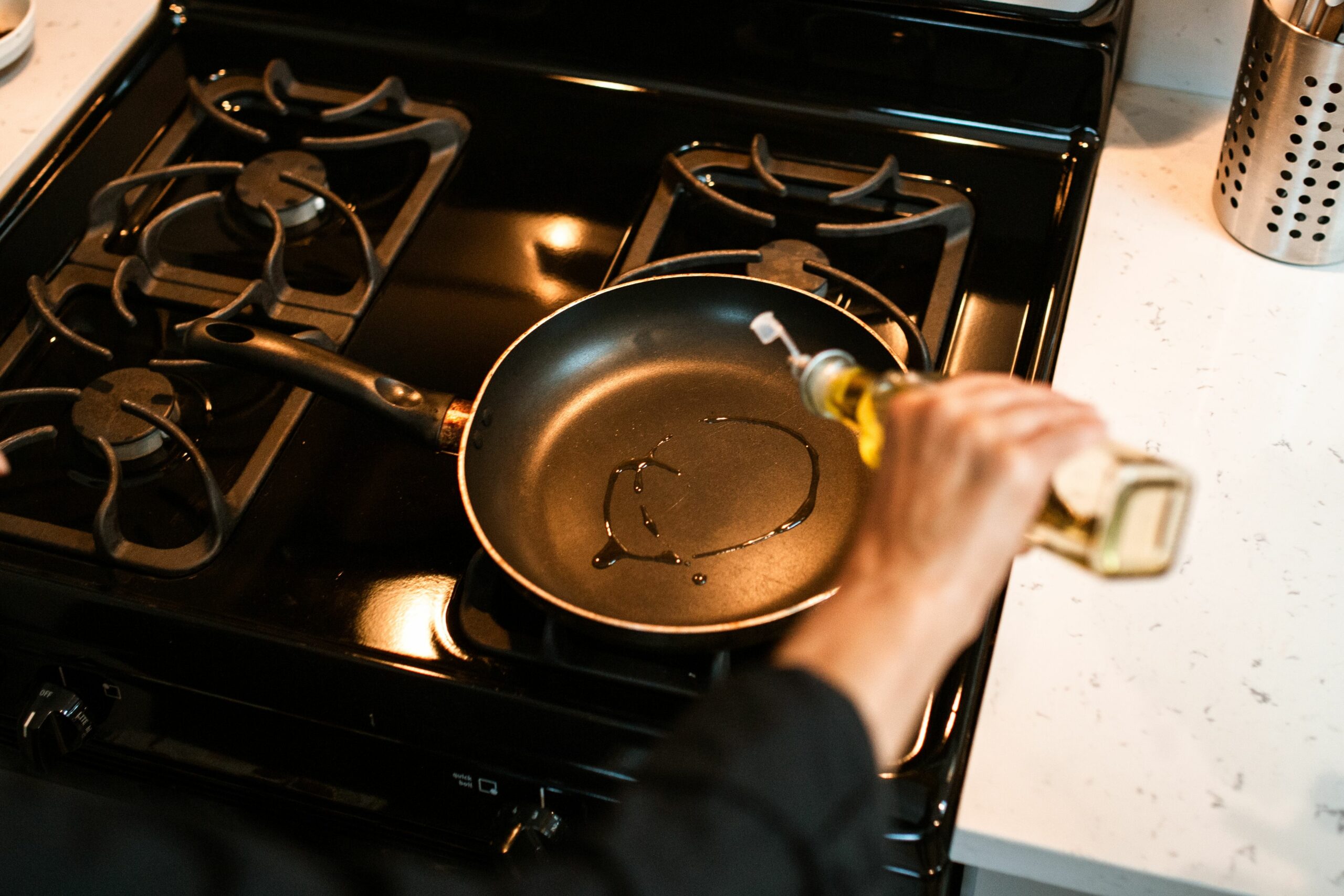
Yes, you can fry with extra virgin olive oil. EVOO is not reserved for salad dressing or finishing a dish. Its high oleic-acid content and naturally occurring antioxidants can give it good heat stability when frying is managed properly.
The useful questions are not simply whether it “can take heat”, but what temperature to use, when to replace it, whether it can be reused and which EVOO suits the recipe. A short domestic frying session is very different from keeping a commercial fryer hot for hours, so practical signs matter more than a single magic number.
Why do people say EVOO should not be used for frying?
A common claim is that olive oil has a low smoke point or that its valuable compounds disappear as soon as it is heated. The reality is more nuanced. Smoke point varies with free acidity, filtration, age and the condition of the oil, and it is not the only measure of frying stability.
Research on frying has shown that olive oils can be highly resistant to oxidation compared with several refined seed oils. EVOO progressively loses some phenolic compounds as heat exposure and repeated frying increase, but that does not make it unsuitable the moment it reaches a hot pan.
What temperature should you use?
For most home frying, a practical target is roughly 160 to 180°C. This range can brown many foods efficiently without unnecessarily overheating the oil. Potatoes, croquettes, battered vegetables and fish may need adjustments depending on size, moisture and coating.
There is no benefit in pushing the oil to its limit. If it is visibly smoking before the food goes in, it is too hot. Remove the pan from the heat, allow the temperature to fall and avoid repeatedly heating oil until it smokes.
How can you judge temperature without a thermometer?
A kitchen thermometer is the most accurate and inexpensive tool. Without one, never test hot oil by adding water. A tiny piece of the actual food should produce active bubbling without blackening immediately. A small cube of bread is another traditional reference, although neither method is as precise as measuring temperature directly.
Remember that adding cold food lowers the temperature. Overcrowding a pan causes a large drop, prolongs cooking and can make fried food greasier.
Which EVOO is best for frying?
There is no mandatory variety. Think about two factors: stability and flavour. Robust varieties with a strong phenolic profile, such as Picual, are often excellent for heat and bring a distinctive character. Arbequina is generally milder and can be useful when you want less olive flavour in the finished dish.
For long or repeated frying, you may not want to use the rarest, most aromatic bottle in your pantry if its subtle aromas are better appreciated raw. But you do not need to downgrade automatically to poor-quality oil either. A sound, properly stored EVOO is a valid frying oil.
Does EVOO make fried food taste strongly of olive oil?
It can influence flavour, and that may be desirable. A more intense EVOO can add green, bitter or peppery notes to potatoes, aubergine, fish or eggs. Choose a milder profile when neutrality matters. Heat also reduces some volatile aromas, so the flavour after frying is usually less intense than tasting the same oil raw.
Once used oil starts giving food stale, burnt or heavy flavours, do not try to rescue it by adding fresh oil. Replace it.
Can you reuse extra virgin olive oil?
In a domestic kitchen, oil that has not been overheated and was used for a clean frying session can often be reused. But there is no universal number of safe reuses. Deterioration depends on temperature, time, water, crumbs, batter, the food being cooked and storage between uses.
Oil used for clean potatoes does not age in the same way as oil full of breading and fish particles. More residue generally means faster deterioration during the next heating cycle.
How to store used frying oil
Allow the oil to cool completely. Filter it through a fine strainer or suitable filter to remove food particles. Transfer it to a clean, closed container and protect it from light and heat. Do not leave it exposed in the frying pan for days.
If you fry different foods, label containers. Oil can retain aromas, and keeping fish-frying oil separate from oil used for potatoes or vegetables prevents unwanted flavour transfer.
When should you discard it?
Discard oil that smells rancid or burnt, becomes unusually viscous, develops persistent foaming or begins to smoke at an unexpectedly low temperature. Very dark colour combined with other signs of deterioration is another warning. Replace oil that contains so much debris that it cannot be filtered properly.
Do not wait until frying oil turns black. Chemical degradation is not always obvious visually, which is why knowing how the oil has been used matters.
Frying, sautéing and confit are different
Sautéing uses a small amount of oil and often exposes it briefly to a very hot pan. Deep frying surrounds food with a larger volume of oil. Confit cooking uses substantially lower temperatures. EVOO can work in all three methods, but heat control, flavour impact and the question of reuse are different.
After a sauté there may be little or no oil to save. After deep frying, filtering and assessing the remaining oil makes practical sense.
Common mistakes
- Heating until the oil smokes: this does not improve browning and accelerates degradation.
- Overcrowding the pan: causes a sharp temperature drop.
- Adding wet food: increases dangerous splattering and destabilises frying.
- Leaving burnt crumbs behind: they continue to degrade during later batches.
- Mixing badly degraded oil with fresh oil: does not restore quality.
- Storing used oil beside the hob: light and heat shorten its useful life.
Frequently asked questions
Does EVOO automatically break down at 180°C?
No. It can be used around this temperature in controlled frying. Deterioration depends on time, composition and repeated use, rather than crossing one instantaneous threshold.
Picual or Arbequina for frying?
Picual is typically more robust and intense; Arbequina is milder. For home cooking, choose according to both the recipe and the quality of the specific oil.
Must EVOO be thrown away after one use?
Not necessarily. Oil that was not overheated, remains clean, is filtered properly and is stored well may be suitable for another use. Reassess it each time.
How should used oil be disposed of?
Never pour it down the sink. Let it cool, place it in a closed container and use the household cooking-oil collection system available locally.
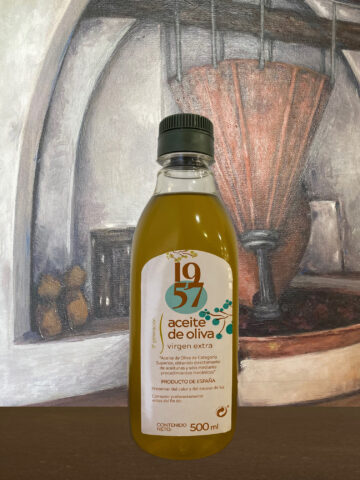
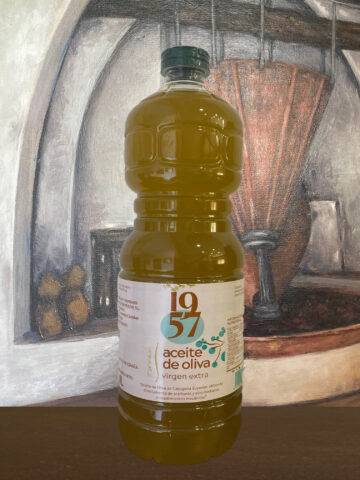
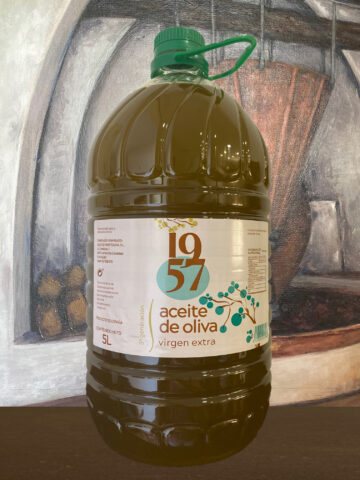
Browse our olive oils to compare producer formats and varieties.
-
EMDO Selection
-
EMDO Selection
-
EMDO Selection Sale