Opening a preserve and not finishing it raises a very practical question: can the leftovers be frozen? In many cases, yes. But the useful answer is more nuanced because safety, texture and later use depend on the food, its packing liquid and the way it is transferred to the freezer.
A commercially preserved product is shelf-stable while unopened because it has been heat processed and hermetically sealed. Once opened, it is no longer an unopened preserve: it becomes an opened food that must be refrigerated and handled according to the producer's instructions. Freezing can extend useful storage, but it does not preserve every texture perfectly.
First rule: do not freeze leftovers in an open can
If the product came in a can, transfer the remainder to a clean freezer-safe container. An open can is no longer sealed, is awkward to close properly and gives poor control over the expansion of liquids during freezing.
The same caution applies to glass. Do not assume that any jar can be placed directly in the freezer. Water expands as it freezes, so an overfilled glass jar can crack. A purpose-made freezer container or bag is usually the simpler option.
Which preserves freeze best?
Foods whose appeal does not depend on remaining crisp generally tolerate freezing best. Cooked pulses, crushed tomato, sauces and vegetables that will later be blended or cooked into stews are usually good candidates.
Ice crystals damage part of the cellular structure. If the food will later be mashed, simmered or mixed into a sauce, that change may hardly matter. If the original attraction was a firm or crunchy texture, the difference will be much more noticeable.
Which products tend to lose the most texture?
Delicate, water-rich vegetables can become softer after freezing and thawing. Asparagus, peppers, some green beans and vegetables intended for cold salads may lose firmness. Pickled products can change even more noticeably because crunch is a central part of their appeal.
This does not automatically make them useless. A softened vegetable may still work very well in soup, purée, omelette, sauce or a cooked filling even if it is no longer ideal as a cold garnish.
Should you freeze the packing liquid too?
It depends on the product and the intended use. Packing liquid can keep the food covered and reduce exposed surface area. In other situations, draining first creates more compact portions and avoids freezing liquid that will not be used later.
If you keep the liquid, leave headspace for expansion. A completely full container can deform, leak or break as its contents freeze.
Cooked pulses are among the best candidates
Chickpeas, lentils and beans generally freeze well enough for hot dishes. They may soften slightly, but they usually retain sufficient structure for stews, soups, hummus and similar preparations.
For a more detailed method, our guide to freezing cooked pulses covers portions, liquid and thawing in greater depth.
Tomato and sauces: texture matters less
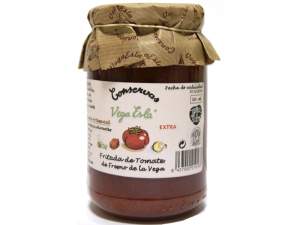
Crushed tomato, cooked tomato and many vegetable sauces are excellent candidates because they are already soft or blended. Some water may separate during thawing, but stirring or reheating usually restores a uniform consistency.
Freezing half a can of tomato in small portions is often more practical than keeping it in the fridge for several days while waiting for another recipe.
Whole vegetables: decide how you will use them
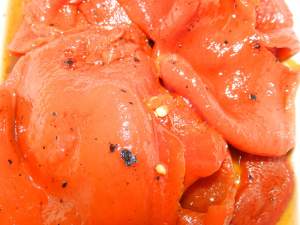
The most useful question is not only “can I freeze it?” but “what do I want to do with it afterwards?” A preserved pepper that becomes softer might be disappointing as a cold garnish but perfectly suitable for a sofrito. A softened asparagus spear may lose visual appeal but still work in soup.
Planning the next use can save food that would otherwise be discarded simply because it no longer looks exactly as it did before freezing.
Portion before freezing
Freeze amounts that you are likely to use in one go. If you have 400 grams left and normally cook with 100 or 150 grams, divide it before freezing. This avoids thawing a large block for a small recipe.
Small containers, flat freezer bags and ice-cube trays for sauces or tomato make later use much easier.
Keep excess air out
Air promotes surface dehydration, oxidation and stale flavours during frozen storage. You do not need professional vacuum equipment, but the container should fit the amount of food and close securely.
The same principle explains freezer burn in other foods: cold temperatures do not prevent quality loss if the surface is poorly protected.
Should the food be cooled before freezing?
If you heated or cooked the preserve after opening, do not place it in the freezer while piping hot. Cool it appropriately and move it into cold storage without leaving it unnecessarily at room temperature.
If you have simply opened a room-temperature preserve, portion the clean remainder and refrigerate or freeze it according to your plans and the manufacturer's storage instructions.
How to thaw opened preserves
Thawing in the refrigerator is usually the most controlled option. For products going directly into a hot dish — such as tomato, pulses or sauce — it can also be practical to add a frozen portion straight to the pan when the format allows.
Avoid leaving a container on the counter for hours. The outside can warm substantially while the centre is still frozen.
Can you refreeze it?
For both quality and convenience, it is better to freeze useful portions from the beginning. Every freeze-thaw cycle damages texture further.
Any decision to refreeze also depends on how the food was thawed and handled. If its temperature history is uncertain, saving a small amount is not worth unnecessary risk.
Net weight and drained weight matter
When planning portions, decide whether you are freezing the food with its liquid or only the solids. Our guide to net weight versus drained weight explains why those numbers can differ substantially.
Freezing cannot rescue spoiled food
The freezer does not reset an opened preserve. If the product has already been stored too long, smells abnormal, shows unexpected gas or has been mishandled, freezing does not make it safe again.
Freeze leftovers while they are still in good condition, ideally soon after opening and correct handling.
Practical summary
- Follow the manufacturer's refrigerated-storage instructions after opening.
- Transfer leftovers from an open can to a freezer-safe container.
- Pulses, tomato and foods destined for cooking usually freeze well.
- Crisp vegetables and pickles may lose substantial texture.
- Freeze in useful portions with minimal trapped air.
- Leave expansion space if the packing liquid is included.
- Thaw in the refrigerator or cook directly from frozen when appropriate.
Freezing is a useful waste-reduction tool, not a promise of identical texture. If you know how the food will be used later, deciding what is worth freezing becomes much easier.