Choosing beef for roasting means selecting a cut that can cook as a whole joint or large portion while allowing good control of the internal doneness.
nTolecarnes offers a dedicated roasting joint, eye of round, flank for stuffing and tender cuts such as beef tenderloin for oven cooking and special meals.
n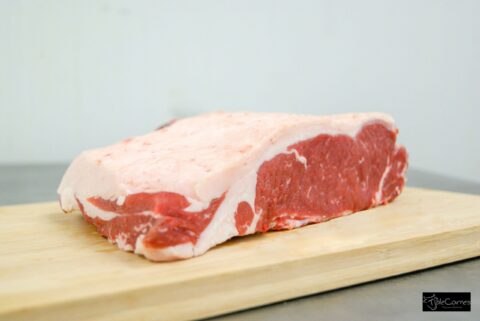

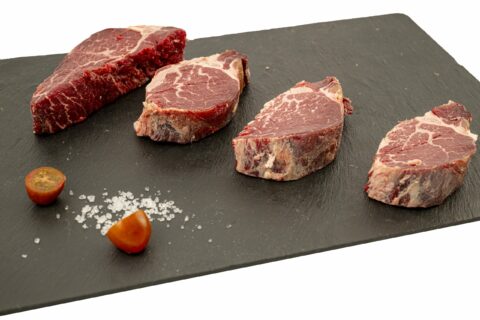
Roasting joints and whole cuts
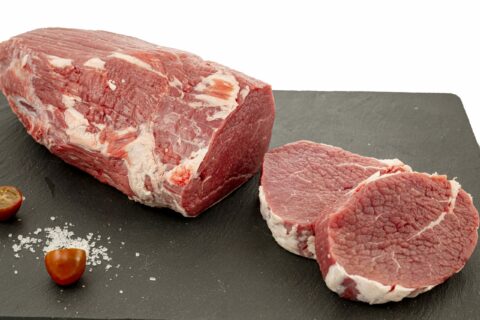
nA dedicated roasting joint is designed for even cooking and later slicing. Eye of round is another classic option, particularly when served with sauce or cooked with careful temperature control.
nFor whole joints, decide the target doneness in advance and remember that internal temperature can continue rising during resting.
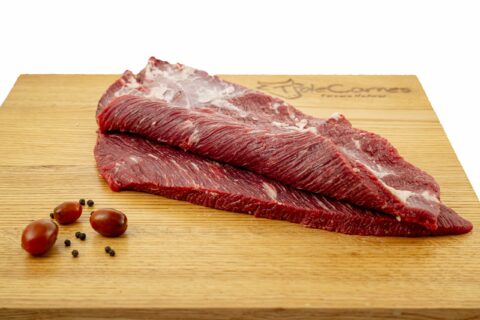
nFlank for stuffing
nA flank piece can be filled, rolled and tied before roasting. The filling and final thickness change the cooking time compared with a simple roasting joint.
nIt works particularly well when the finished meat will be served in slices.
nWhole roasted tenderloin
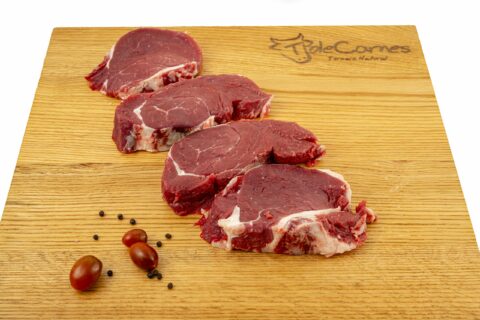
nTenderloin can be cooked whole and portioned afterwards. Because it is naturally tender, careful timing is important to avoid overcooking.
nKeys to controlled roasting
- Choose the cut for the number of guests.
- Consider the thickness of the joint.
- Monitor internal temperature.
- Rest before carving.
- Slice shortly before serving.
Frequently asked questions
nWhich cut is suitable for roast beef?
A product is specifically prepared as a beef roasting joint.
nCan eye of round be roasted?
Yes. It is a classic roasting cut, especially with sauces.
nCan tenderloin be roasted whole?
Yes, with careful control of time and temperature.
n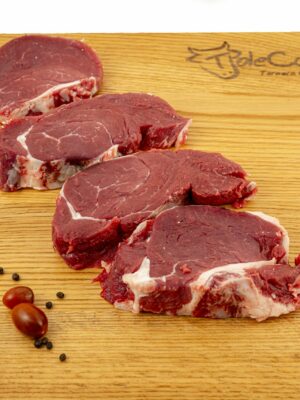 Beef tenderloin
 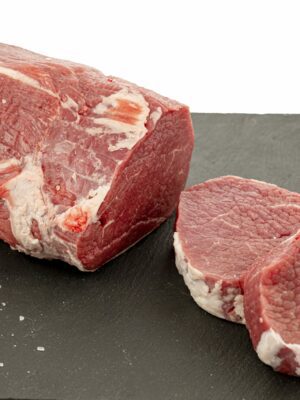 Beef eye of round
 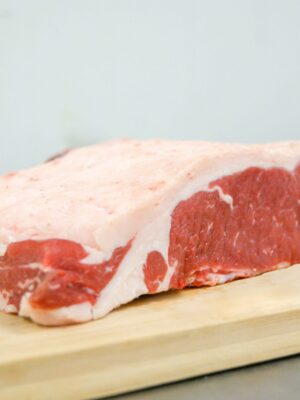 Beef roasting joint