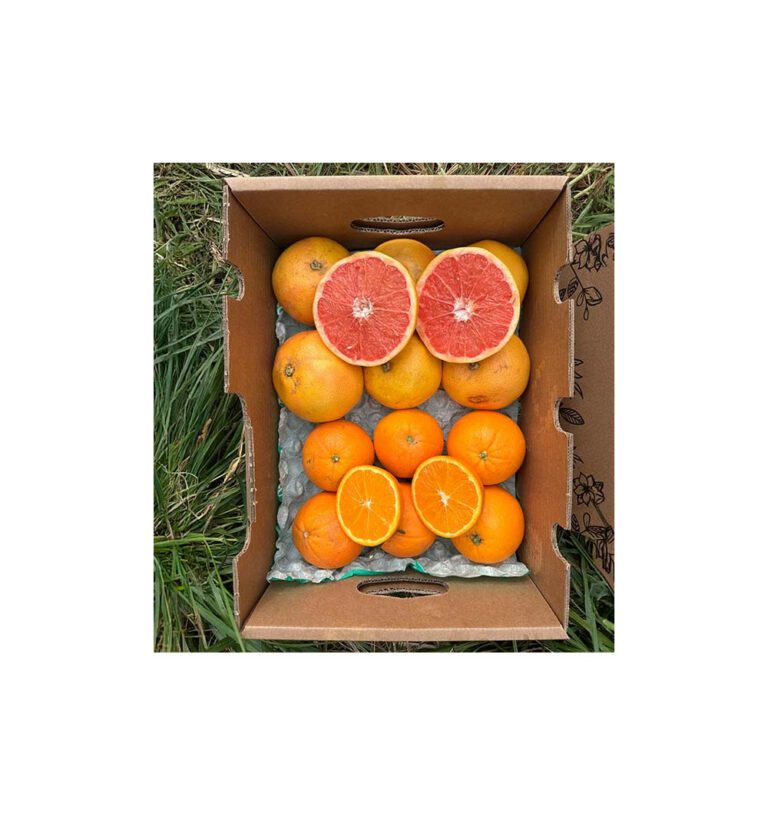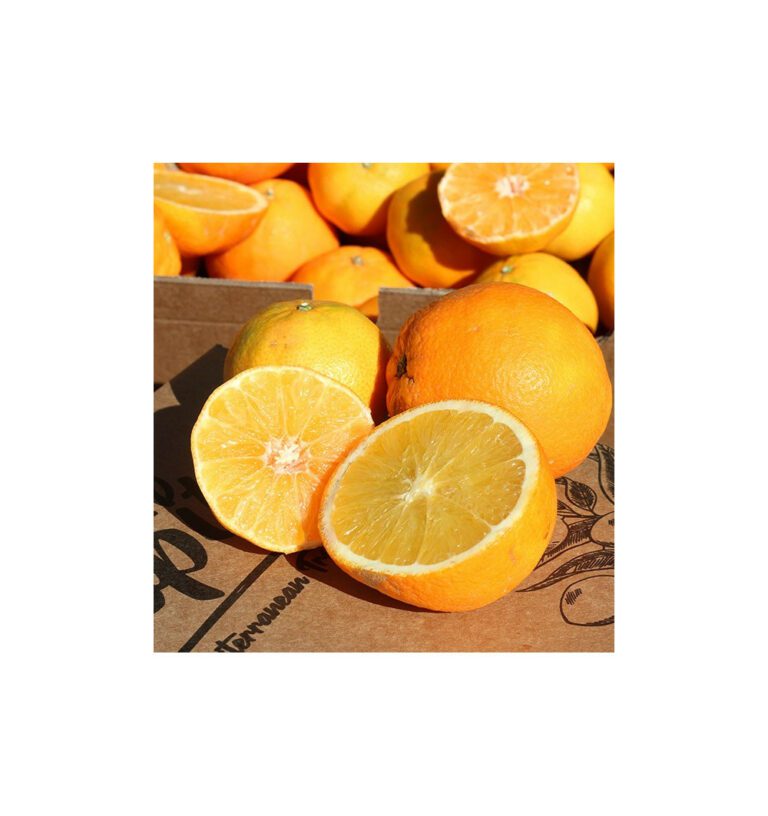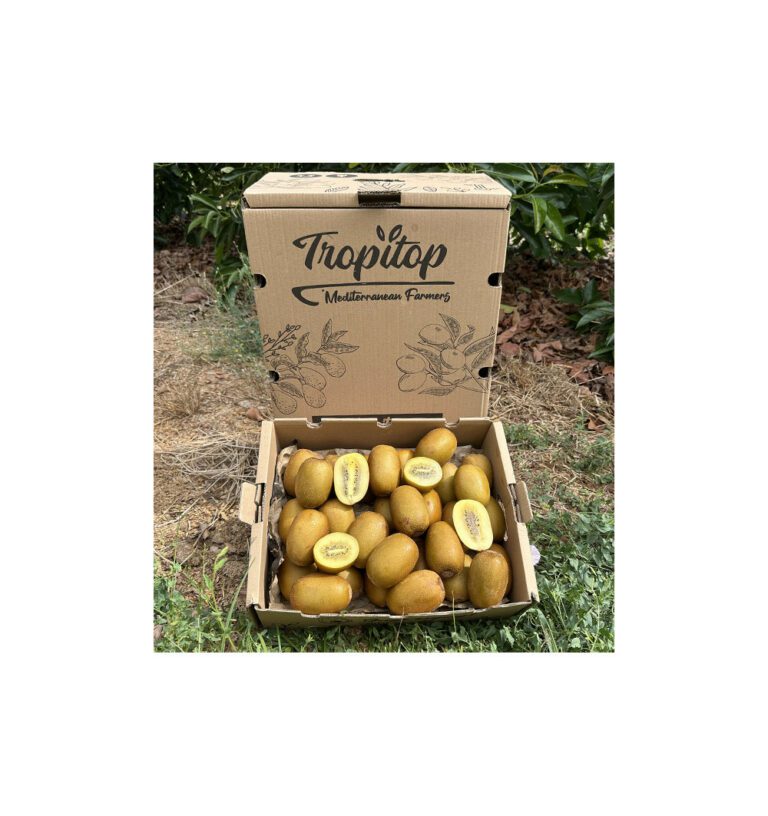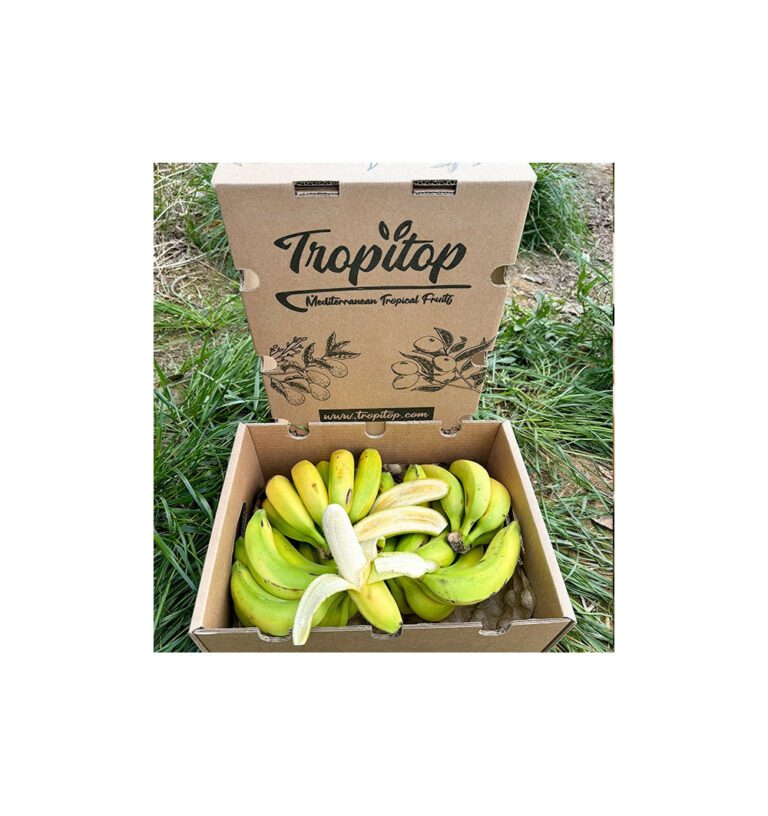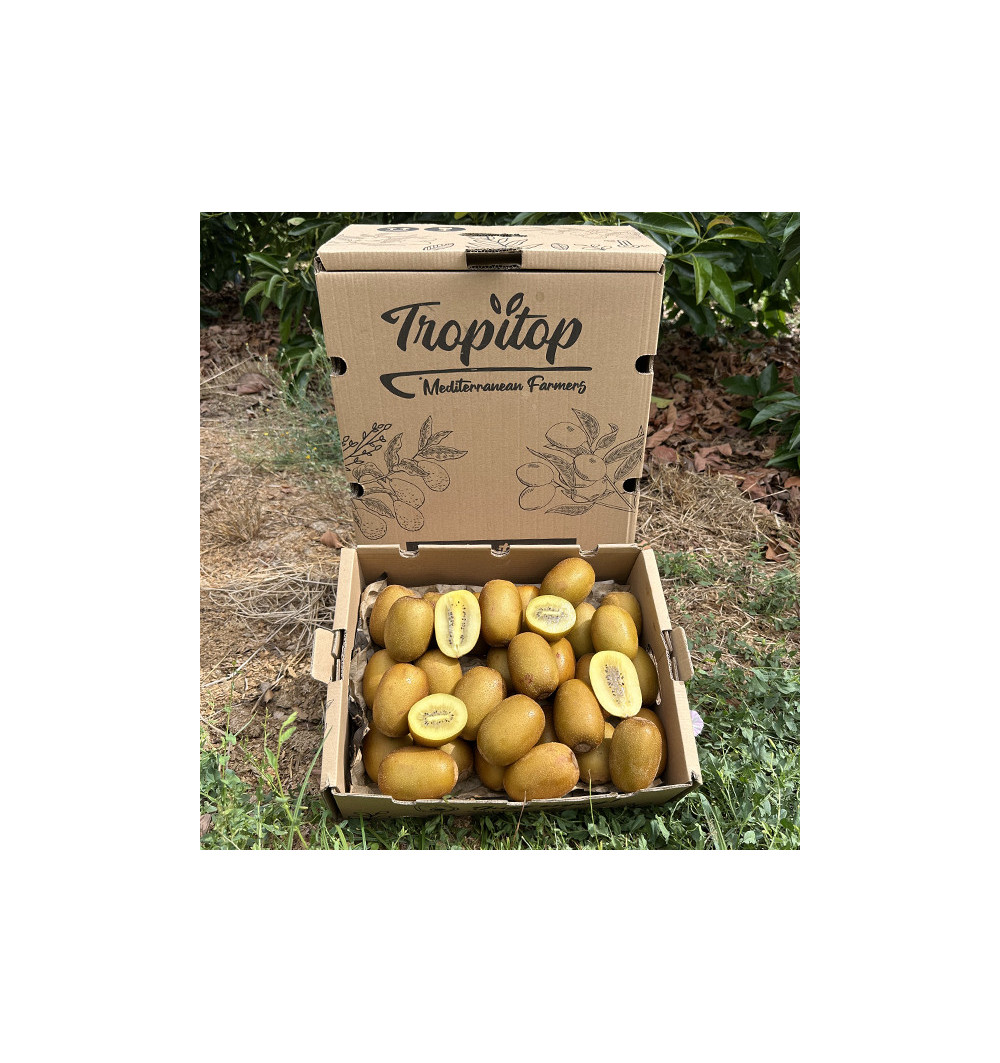
A seasonal fruit box delivered to your door can simplify weekly shopping, introduce new varieties and make good sense for a household that eats plenty of fruit. But there is an easy trap: the lowest price per kilogram is not always the best value. Nine kilograms of very ripe fruit arriving in a two-person household may produce more waste than savings.
Start with how much fruit you eat, which varieties you enjoy and how ripe the contents are likely to be on arrival. Only then compare the net weight and final delivered price. A good box is one you finish happily, not the largest one the retailer can offer.
How much fruit does your household actually use?
Rather than beginning with “three, five or nine kilograms?”, think about the number of pieces or portions eaten in a normal week. Include breakfasts, packed lunches and snacks. You do not need a perfectly accurate calculation. If some of your regular purchases already go uneaten, a much larger case is unlikely to solve the issue.
Kilograms are not the same as portions. A large watermelon concentrates a lot of weight into one item, while a mandarin box spreads the weight across many individual fruits. Thick peel and large stones also change the amount of edible flesh per kilogram. What matters is picturing how your household will actually use the contents.
For a first order, a moderate size often makes sense. It lets you check the producer's quality and see how quickly the fruit disappears. You can scale up later if the delivery arrives in good condition and is easy to finish.
One variety or a mixed box?
If your family eats oranges every day, a single-variety box can be highly practical. You know exactly what you are ordering and can compare the price per kilogram straightforwardly. It may also suit regular juicing or a particular favourite fruit during its season.
A mixed box offers variety and the chance to discover something new without buying a full kilogram of every item. But read what is promised. Some sellers specify each fruit and quantity; others offer a flexible seasonal selection that changes with the harvest. Either can be a good arrangement as long as the contents are described honestly.
Where strong preferences or food allergies are involved, a surprise box may not be the right choice. Look for a clearly guaranteed assortment and appropriate information about what is included. A photograph with mangoes, avocados and citrus does not prove all three will be present in every order.
Ripeness is part of the value
A box full of mangoes and avocados ready to eat today may be perfect for a party but difficult to manage through an ordinary week. In that situation, receiving some fruit firm enough to ripen at home can be an advantage.
Not all fruit behaves in the same way. Avocados and mangoes can continue to ripen after harvest, while oranges do not gain sweetness in quite the same way by sitting in a warm kitchen. Delicate strawberries and cherries are best enjoyed without prolonged storage. A single use-by expectation for an entire mixed box would therefore be misleading.
If you need fruit for a particular event, check the seller's guidance about expected ripeness on delivery. For normal household consumption, a mixture of ripening stages can make the box easier to finish without waste.
Comparing real delivered costs
Start by dividing the product price by the net kilograms of fruit. Then add shipping charges and check for minimum-order requirements or destination supplements. A discounted ten-kilogram case may still cost more per useful portion than a smaller box that better fits your household.
Fruit size, grade and variety identification matter as well. A seasonal orange box can change cultivar during the year. That is not inherently a problem, provided the retailer explains what you will receive. A very low price is not good value if the fruit arrives badly damaged or at a stage that makes it impossible to eat in time.
On a marketplace with several producers, shipping conditions may differ according to which seller fulfils each item. Check the applicable delivery fee and expected arrival before paying. Do not assume that ordering from two growers automatically creates one combined parcel.
What to do when the fruit arrives
Arrange delivery so someone can unpack the box reasonably promptly. Inspect the packaging and look for fruit that is extensively bruised, mouldy or clearly deteriorating. Small cosmetic marks on the skin do not necessarily spoil edible flesh, but seriously damaged pieces should be separated from the rest.
Sort the contents according to how they should be stored. Firm mangoes may need a ventilated place to continue ripening; cut fruit must be refrigerated; citrus and other robust fruit can have different requirements. A mixed box is not one uniform product from a storage point of view.
If you order regularly, notice how long each variety takes your household to finish. This real-life information is more useful for the next purchase than any generic claim about the ideal number of kilograms per person.
What a useful online fruit listing looks like
Before paying for a box of fruit, check net weight, the named contents or clear substitution rules, growing origin where relevant, expected delivery and what to do if something arrives damaged. If a retailer promises fruit harvested especially for your order, that should be consistent with the particular crop and season.
A good photograph can help you picture the fruit, but it does not replace clear product details. Our general guide to buying fresh fruit online covers freshness, origin and shipping in more depth.
The best seasonal fruit box is not the one with the most fruit, but the one that suits the way your household eats. Start with a realistic size, a clearly described assortment and sensible storage plans. That is how online fruit delivery becomes a way to enjoy more variety rather than an expensive source of food waste.