First-time kangaroo cooks often want an exact number of minutes per side. That question overlooks the more important one: what kangaroo cut are you holding? A tender loin steak and diced meat labelled for a casserole need different techniques. Get that choice wrong and no clever marinade will rescue the meal.
Australian commercial kangaroo meat is generally very lean. The Australian Department of Agriculture describes its regulated harvesting and processing supply chain, as well as the meat's low fat content. If buying elsewhere, check the actual product's origin, composition, cold-chain instructions and cut rather than assuming every kangaroo product is a plain steak.
Flavour: think distinctive red meat, not an exact beef substitute
Kangaroo can deliver a pronounced red-meat flavour with game-like notes. Intensity depends on the muscle, handling and preparation. Roast onions, potatoes and gentle herbs work well because they accompany the meat without competing for attention.
For a first tasting, avoid a marinade dominated by five strong spices. Garlic, rosemary and a little oil are enough; serve a sauce alongside if you want to taste the meat with and without it.
Choose a cut intended for the pan
Steaks and tender loin portions sold specifically for pan cooking suit a different approach from hardworking muscles offered as stewing meat. Even with a suitable steak, however, a fixed minute-by-minute formula is unreliable. Thickness, starting temperature, pan material and food-safety requirements all affect the result.
Crowding the pan is a particular problem with lean meat. Surface liquid lowers the temperature and delays browning. By the time that moisture evaporates, the meat may have been heated much longer than you intended. Cooking in batches is usually more controllable.
Kangaroo with roast red onion and rosemary
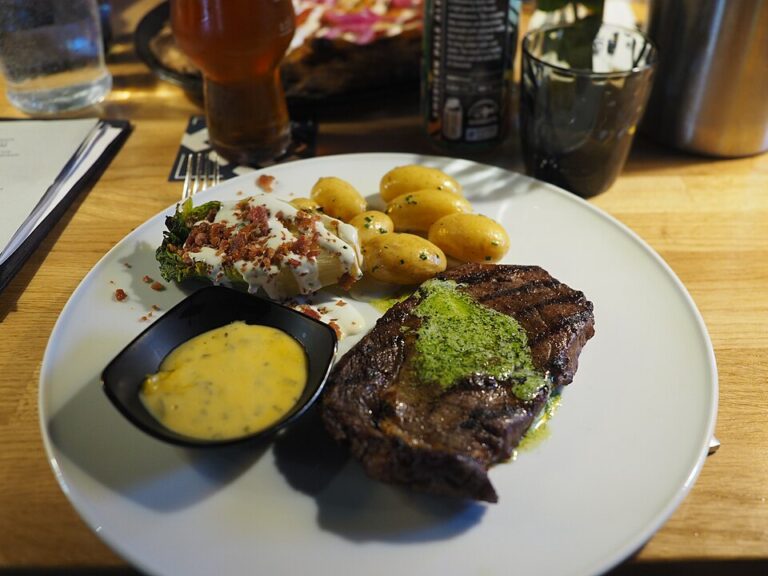
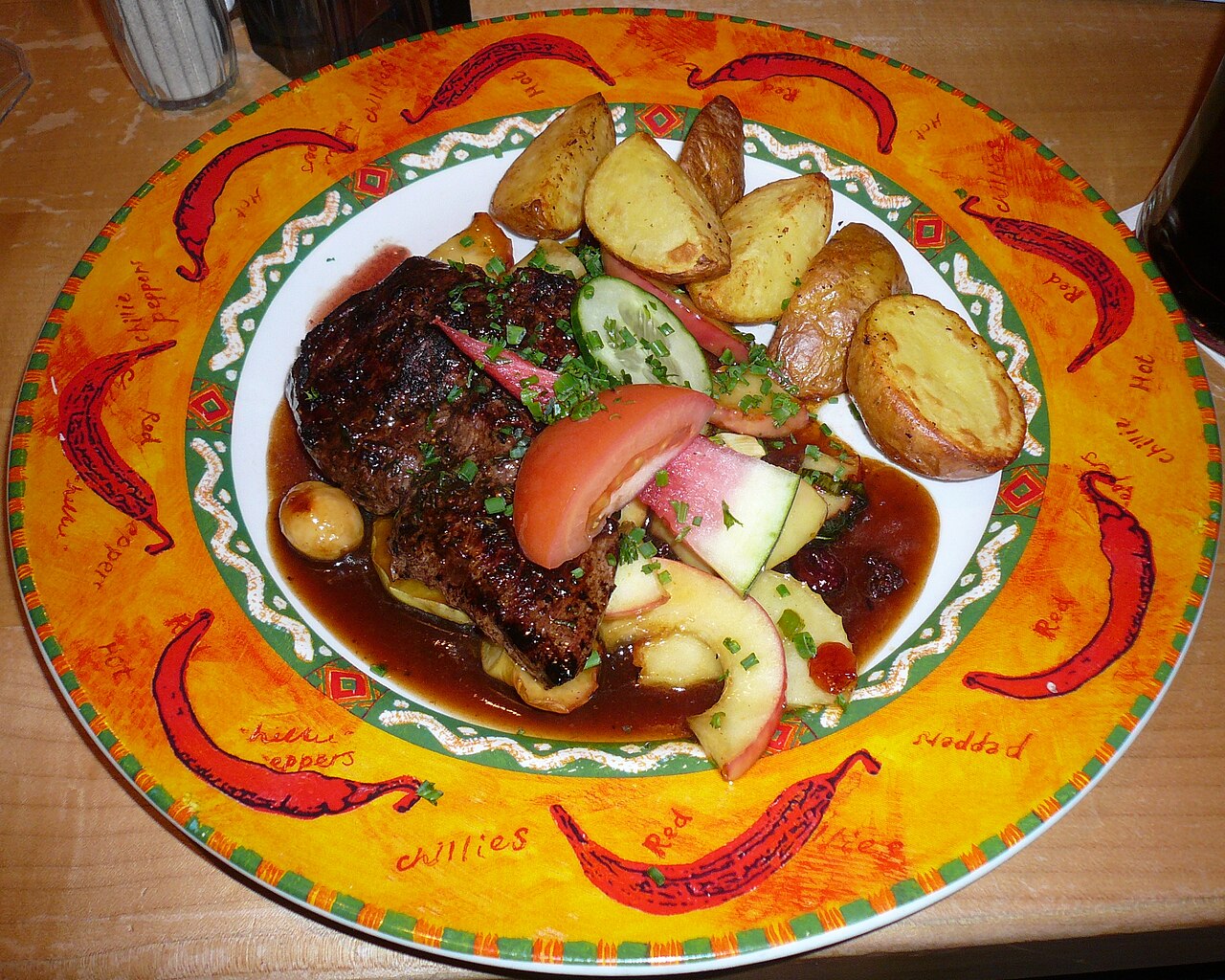
For two servings, prepare 300–350 g of kangaroo steaks suitable for pan cooking, one red onion, fresh rosemary, a little olive oil, salt and pepper. Small roast potatoes make a useful optional side.
- Start the onions. Cut into wedges, add a little oil and roast until soft and lightly caramelised. Prepare the potatoes at the same time so that the meat does not have to wait.
- Thaw safely if needed. Use the refrigerator and follow the packaging. Pat the surface dry; do not use that raw-meat tray for serving.
- Brown in a roomy pan. Heat a little oil and add pieces of similar thickness. Turn with clean tongs when a browned surface develops.
- Check the centre. Use a food thermometer and the safety directions appropriate to the product. Kangaroo's dark colour is not a thermometer; intact steaks and minced meat must not be treated as identical.
- Slice and serve. If appropriate for the cut, slice across the muscle fibres and serve with onion, rosemary and potatoes.
If a steak turns dry, review the cut, thickness and cooking process before adding more oil next time. Fat in the pan cannot make an unsuitable muscle tender.
Does marinating make kangaroo tender?
Marinating is primarily a way to season the surface. An oil, herb and garlic mixture can be pleasant, but it will not reliably turn a tough stewing cut into a tender steak. Prolonged exposure to a strongly acidic mixture may change the surface texture without solving the underlying problem.
Marinate in the refrigerator and do not reuse raw-meat marinade as a ready-to-eat sauce. If the pack identifies the cut as ragout or stewing meat, brown it and then simmer gently with vegetables and stock instead of forcing a quick-steak recipe onto it.
Ground kangaroo products have a different safety standard
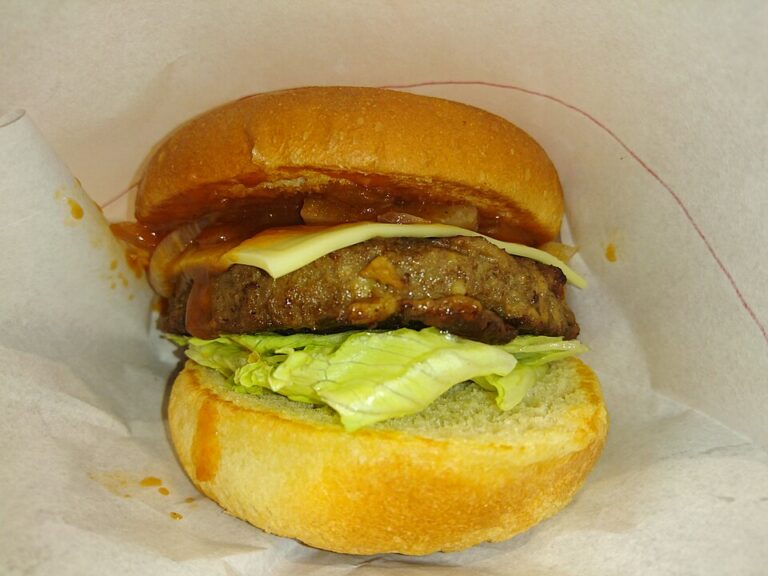
Kangaroo burgers and sausages must not follow the same doneness approach as intact steaks. Food Standards Australia New Zealand recommends cooking minced or rolled meat, including kangaroo sausages and burgers, to 75°C at the centre. Read the actual package instructions too, particularly for mixed or prepared products.
Neither brown juices nor a seared surface proves that ground meat has been safely cooked. Use a food thermometer, keep utensils clean and protect the cold chain.
A useful buying checklist
Look first for the cut and its intended cooking use, then net weight, traceable origin and whether you are buying plain meat or a product with additional ingredients. For a first introduction, a clearly labelled steak may teach you more about the species than a heavily seasoned burger.
If you want to serve several unfamiliar meats, our exotic-meat barbecue guide explores how to plan comparable portions and keep different product types separate on the grill.
nIllustrative photo of the food by Stanislav Kozlovskiy / Wikimedia Commons. License CC BY-SA 3.0. Image resized for web display.