Lean beef describes cuts with relatively little visible fat. It is a useful choice for everyday meals because it can be versatile, clean-tasting and easy to portion. The important trade-off is that less fat can mean less protection against overcooking, so lean meat may dry out more quickly.
El Mercado de Origen sells a pack containing beef steaks and lean beef, making this a practical question rather than an abstract nutritional label. Knowing what lean meat looks like and how to cook it helps you get more from the product you receive.
What does “lean beef” mean?
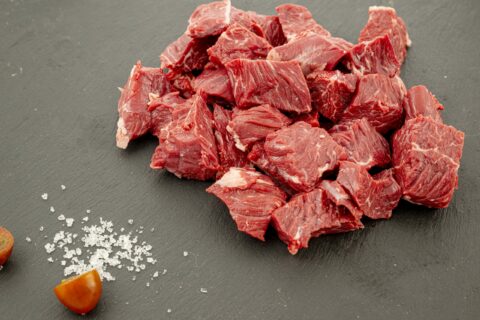
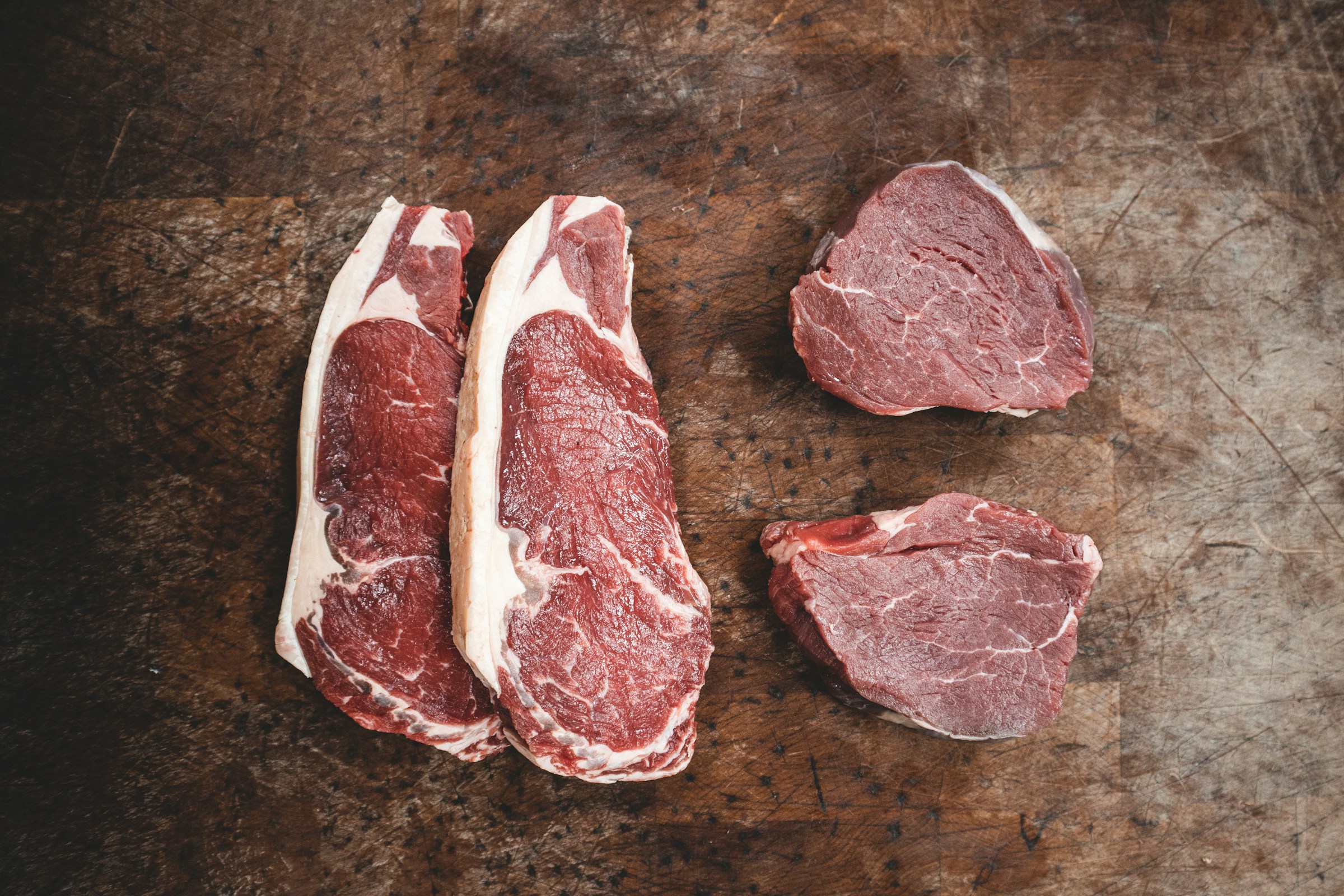
In culinary terms, lean beef has a relatively low amount of visible and intramuscular fat. It does not mean completely fat-free meat, and it does not refer to one single anatomical cut. Several beef cuts can be relatively lean depending on natural marbling and how much external fat has been trimmed.
Fat contributes flavour and perceived juiciness. That is why lean beef often gives you a narrower margin between properly cooked and dry.
Lean does not automatically mean tough
Fat level and tenderness are different ideas. A cut can be lean and tender, or fatty and firm because of its muscle fibres and connective tissue. Tenderness also depends on the muscle, animal, thickness, aging and cooking method.
Do not therefore shop only for “as little fat as possible”. The best cut is the one that suits the recipe. A thin steak needs fast cooking; a lean braising cut may still need time.
How to recognise lean beef
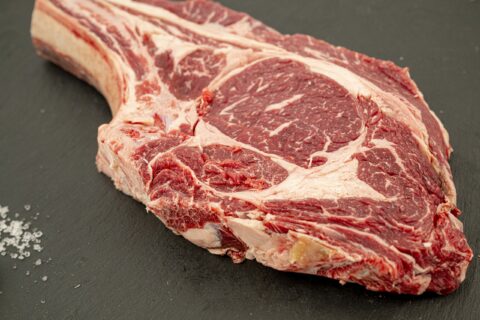
- Little external fat: there is only a small white fat cap around the piece.
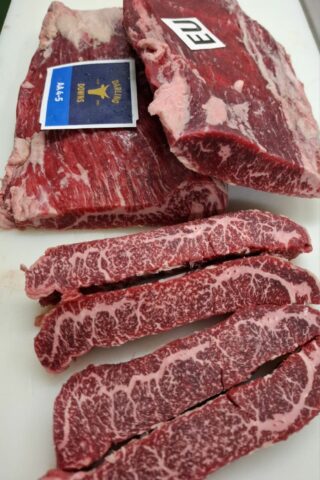
- Limited marbling: few white streaks run through the muscle.
- Uniform muscle colour: the red muscle is visually dominant.
- Clean trimming: a well-prepared piece contains less unnecessary fat and tissue.
Appearance is useful but it does not replace the seller's description. For the opposite characteristic, see our guide to beef marbling.
Which beef cuts can be lean?
Several areas of the animal can produce relatively lean pieces, especially after external fat is trimmed. Depending on the cutting system, these may include parts of the round, rump and selected shoulder muscles.
Cut names vary widely between countries and butchers. It is often more useful to read the intended use. “Lean beef for stewing” should not be assumed to behave like a first-cut frying steak simply because both contain little visible fat.
Choose the method according to the format
| Format | Useful method | Main point |
|---|---|---|
| Thin steak | Pan or griddle | High heat and short cooking. |
| Thick steak | Pan plus oven or gentler heat | Control the centre. |
| Stewing cubes | Braising or slow cooking | Allow enough time for the structure to soften. |
| Strips | Fast stir-fry | Slice against the grain and avoid overcrowding. |
How to cook a lean steak without drying it out
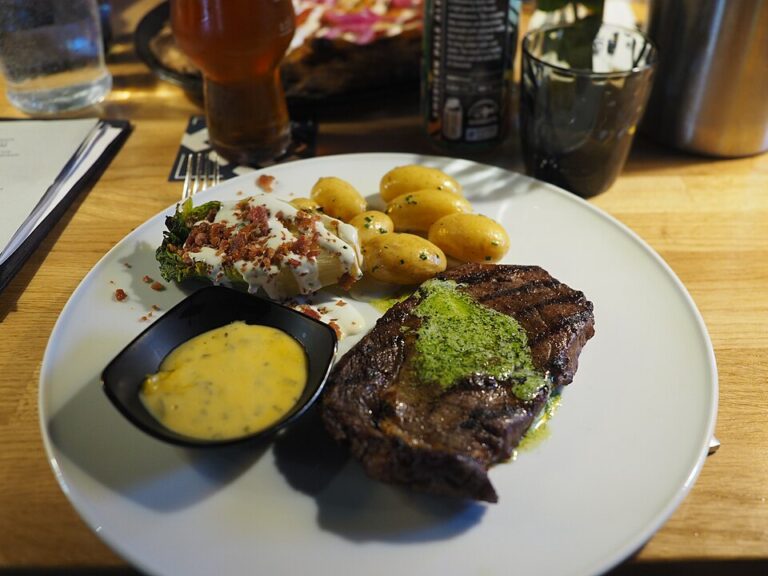
When you are ready to cook, remove the beef from its packaging and dry the surface. Excess surface moisture makes browning harder. Preheat the pan or griddle properly, then use enough heat to create colour without unnecessarily extending the cooking time.
A common mistake is leaving a lean steak over medium heat for many minutes. Moisture is lost before a strong crust develops. Thin pieces generally respond better to short, confident cooking.
See our full guide to cooking tender, juicy beef steaks for more detail.
Thickness changes everything
No universal number of minutes can work for every steak. Thickness is one of the biggest variables. A thin steak can move from juicy to dry very quickly, while a thicker piece needs time for heat to reach its centre.
For substantial cuts, a thermometer lets you separate exterior browning from internal doneness. Our doneness and temperature guide explains how to use it.
Why slicing against the grain helps
Lean beef can show clear muscle fibres. Slice in the same direction and each bite contains long strands that require more chewing. Slice across those fibres and they become shorter, which improves the perception of tenderness.
This simple step can change the eating experience without changing the cooking point at all. See our guide to cutting meat against the grain.
Should lean beef be marinated?
A marinade can add flavour and surface moisture, but it cannot magically turn every firm cut into tenderloin. Strongly acidic marinades can alter the surface texture if left too long. For a good steak, simple seasoning is often enough: salt, a little oil if your cooking method needs it, and flavours that do not cover the beef.
Short marinades can be particularly useful for stir-fry strips and skewers because there is a large exposed surface area and cooking is quick.
How to braise lean beef
If the piece is sold for stewing, the goal is different. Brown cubes in batches first if you want roasted flavour, then add liquid and cook gently until the structure softens. Avoid a constant aggressive boil, which can evaporate liquid too rapidly and make the exterior feel dry.
Not every lean cut requires hours, so consider size. Small cubes will become ready sooner than a whole joint.
How to store lean beef
Lean beef is still fresh raw meat and must remain properly refrigerated. Follow the label, use-by date and seller's instructions. If you will not use it in time, freeze it in a planned way. Our guide to storing fresh meat covers this in more depth.
Common mistakes
- Assuming lean automatically means tender.
- Cooking every cut for the same amount of time.
- Using weak heat and extending the cooking of thin steaks.
- Failing to dry the surface before browning.
- Slicing parallel to the grain.
- Using a stewing cut as if it were a quick-frying steak.
Frequently asked questions
Does lean beef have less flavour?
It may taste less rich than heavily marbled beef, but flavour also comes from origin, meat quality and cooking. Less fat does not mean flavourless.
Is lean beef best for steaks?
It depends on what you enjoy. A steak can be relatively lean and excellent, while some marbling gives additional juiciness and margin for error. Avoiding overcooking is especially important.
Can lean beef be used for stews?
Yes, when the actual cut is suitable. The product description and size of the piece are better guides than the word “lean” alone.
Beef for the pan, stir-fry and stew pot
Lean beef is versatile when the technique matches the format. Control the cooking time, respect the thickness and slice correctly to get the best from each piece.
-
Sale!
 Select options
This product has multiple variants. The options may be chosen on the product page
Select options
This product has multiple variants. The options may be chosen on the product page