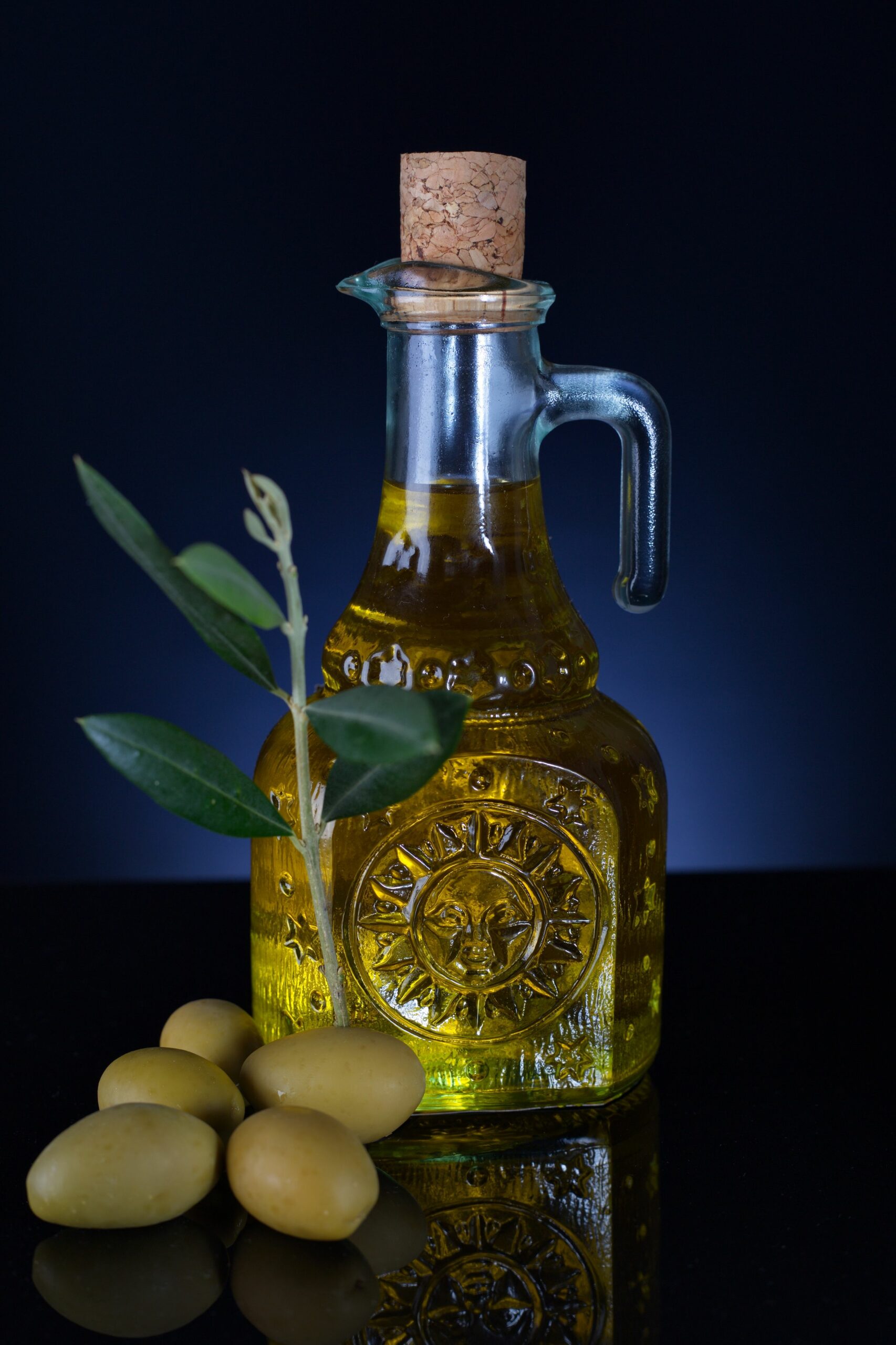
Talking about olive oil “expiry” can be misleading. Extra virgin olive oil does not normally move from perfect to unsafe on one specific date. What happens instead is a gradual loss of quality: aromas fade, the sensory profile becomes flatter and oxidation-related notes may eventually appear. This is why olive oil is generally labelled with a best-before date rather than an expiry date in the strict sense used for highly perishable foods.
Understanding that distinction helps both buying and storage. A tightly closed EVOO kept away from light at a stable temperature can retain an attractive profile for a long time. The same oil left half empty beside a cooker can deteriorate much faster.
What the best-before date actually tells you
The best-before date is the period during which the producer expects the oil to retain its intended qualities under suitable storage conditions. It does not mean the oil suddenly becomes unusable the next day. However, it should not be ignored either: olive oil is sensitive to oxygen, light and heat, and its evolution continues inside the package.
For a product valued as much for aroma as for flavour, the useful question is not only “can I consume it?” but also “does it still taste like a good EVOO?”.
Oxidation is the central problem
Over time, oxygen reacts with compounds in the oil and changes its sensory profile. Repeated exposure to air accelerates that process, so a half-empty bottle left open for months will generally evolve faster than a full, tightly closed container. Light and heat also encourage deterioration.
The first change may be subtle. Fresh aromas of fruit, grass, leaves or nuts become weaker and the oil feels less vivid. In more advanced oxidation, clearly rancid notes can develop.
What deteriorated olive oil smells like
Fresh EVOO can suggest olives, grass, tomato leaf, herbs, nuts, apple or other plant aromas depending on cultivar and harvest. As it ages badly, those nuances fade. The sensory defect known as rancid is often compared with stale nuts, cardboard, wax or old fat.
You do not need professional tasting vocabulary to notice it. At home, compare the doubtful oil with a newly opened bottle whose quality you know. The contrast can be very clear once one bottle has spent too long open.
Colour is not a reliable test
Trying to judge freshness only from colour is a common mistake. Shade depends on pigments, cultivar, ripeness, filtration and other factors. An EVOO can be vivid green or golden without either colour proving better quality.
Professional tasting even uses coloured glasses to prevent visual bias. Aroma and flavour tell you much more about deterioration than colour does.
What about cloudiness or sediment?
Cloudiness is not automatically a sign of damage. Unfiltered EVOO may contain tiny particles and residual moisture that affect appearance. The key is to distinguish a normal product characteristic from an abnormal smell or flavour. Unfiltered oils benefit from particularly careful storage because suspended material can reduce long-term stability.
Our guide to filtered versus unfiltered EVOO explains this in more detail.
How long does an opened bottle last?
There is no universal number because packaging, headspace, temperature, cultivar and opening frequency all matter. A practical rule is to buy a size that matches your real consumption. Heavy users can make good use of larger containers; low-volume households may protect quality better with smaller bottles.
For large formats, keep the main container tightly closed and decant a modest amount into a clean, dry daily-use bottle kept away from light and heat.
Three conditions that protect EVOO
Darkness: keep oil away from direct sunlight and strong light. Stable temperature: avoid ovens, hobs, radiators and hot storage spaces. Limited air contact: close the cap properly after every use.
These simple measures matter more than most household tricks. A cool dark cupboard is usually a better home for EVOO than a decorative spot beside the cooker.
What to do if you suspect the oil is past its best
Smell it first and taste a small amount. If it has merely lost intensity but shows no clear defect, it may be less exciting raw while remaining usable in cooking. If strong rancid notes are present, the sensory quality has clearly declined.
The best strategy is prevention: buy quantities that fit your consumption, remember roughly when containers were opened and use older stock first.
Choosing the right package size is part of storage
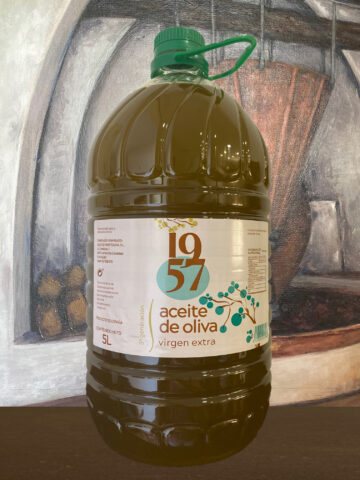
A household that uses EVOO every day may finish a five-litre container efficiently. Someone who cooks only occasionally may retain freshness better with smaller bottles. No format is automatically superior; the right one is the one you can consume without leaving oil exposed to air for many months.
Our 5-litre EVOO guide goes deeper into when a larger container makes sense.
Related olive oils
-
EMDO Selection Sale
-
EMDO Selection
-
EMDO Selection