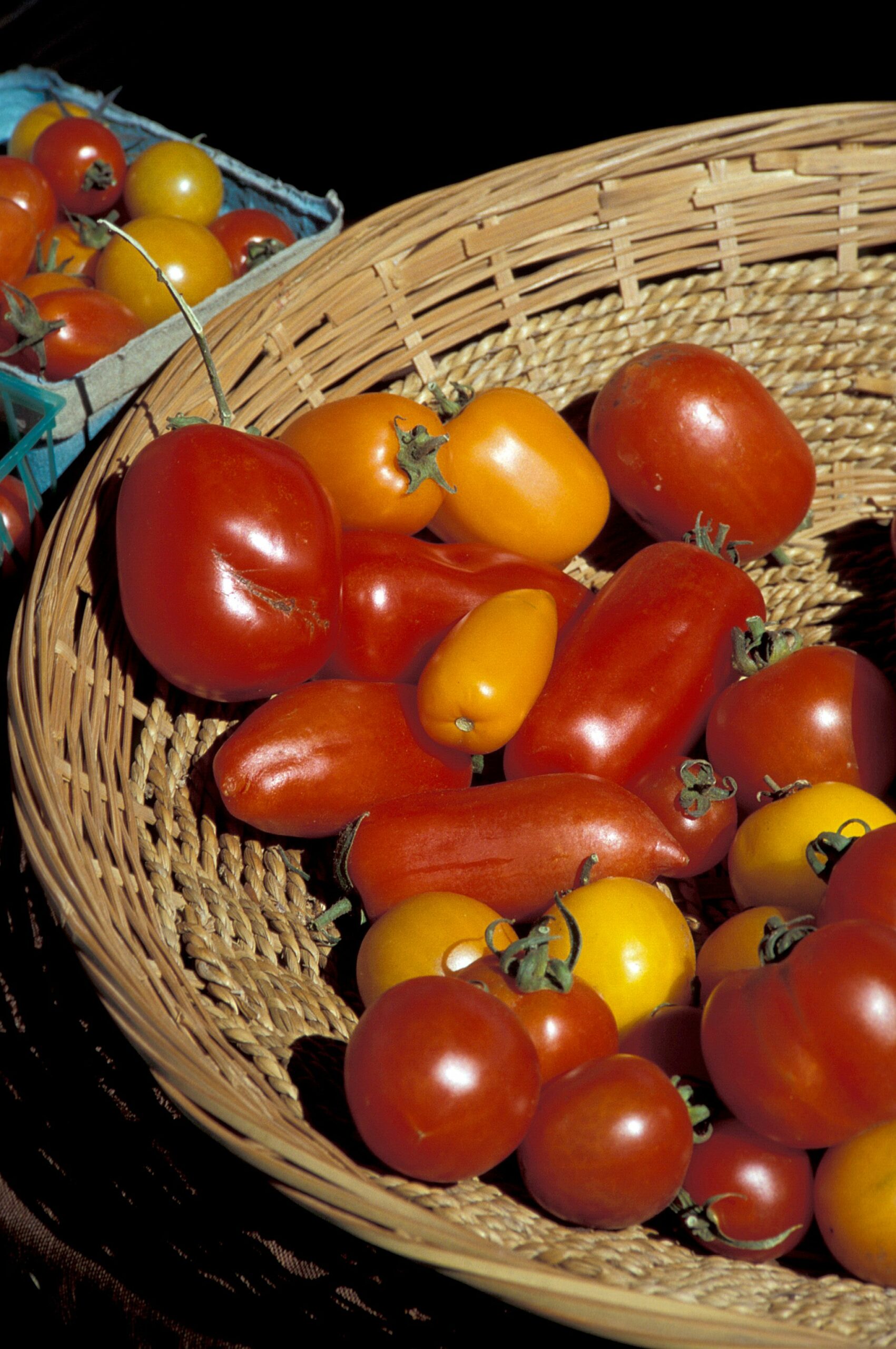
Talking about “a good tomato” without saying what you want to do with it is like talking about “good beef” without deciding whether you are making a stew or a steak. Tomatoes vary enormously in cultivar, ripeness, size, flesh-to-seed ratio, firmness and water content. A wonderful slicing tomato may be less convenient for a concentrated sauce, while a perfect sauce tomato may not be the one you most want to eat simply with salt and EVOO.
Instead of searching for one supposedly superior type, learn to evaluate ripeness, firmness, aroma and culinary purpose. Storage matters too: cold can slow softening, but prolonged refrigeration can reduce aroma and alter texture.
What to look for when choosing tomatoes
Colour should make sense for the variety; not every ripe tomato is dark red. Yellow, pink and green-when-ripe cultivars exist. Firmness is often more informative: a ripe tomato for immediate use should yield slightly to pressure without feeling mushy or watery.
Look for intact skin without deep bruises, open cracks, mould or sunken wet areas. Irregular shape does not mean poor flavour. Many traditional cultivars are less uniform than tomatoes bred primarily for transport and shelf life.
Aroma is a useful clue
A ripe tomato often has a noticeable smell, especially near the stem end. It is not a perfect test, but it can help when comparing similar fruit. A completely scentless, rock-hard tomato probably needs more time before it reaches its best eating quality.
UC Davis lists appropriate firmness for maturity, colour development and freedom from mechanical injury among quality criteria. Perfect appearance alone, however, cannot predict flavour.
Fleshy tomatoes for salads
For slices and wedges, tomatoes with substantial flesh, pleasant texture and a good sweet-acid balance are often preferable. Large salad tomatoes and many heirloom types are particularly enjoyable because texture and juiciness can vary within the same fruit.
Serving temperature matters. Very cold tomatoes release less aroma. If a fully ripe tomato has been refrigerated, letting it warm somewhat before eating usually improves the experience.
Plum-style tomatoes for sauces
Elongated plum tomatoes are popular for sauces because they often contain plenty of flesh and a convenient proportion of water and seeds. That does not mean sauce must be made from plum tomatoes. A very ripe tomato of another type can be excellent, though it may need more reduction to reach the same concentration.
Ripeness matters strongly in sauces. Fully ripe fruit brings aroma and breaks down easily. Healthy tomatoes that have become too soft for salad can be ideal for sauce, soffritto and roasting.
Tomatoes for rubbing on bread
For Spanish-style tomato bread, you want ripe, juicy fruit that releases flesh easily. Thin-skinned, softer types are often especially convenient. A very firm tomato can be excellent for transport and slicing but frustrating for rubbing over toast.
The EVOO you add also changes the result. Picual brings intensity and contrast, while Arbequina gives a gentler profile. Our EVOO cooking-use guide explains that choice in more detail.
Cherry and small tomatoes
Cherry tomatoes concentrate flavour in a format that works well in salads, quick sautés, roasting and appetisers. Their skin-to-flesh ratio differs from a large tomato, so their texture is different too. Roasted whole, they can burst and release juice while keeping some structure.
Using some whole and some halved creates multiple textures in one dish. They are also practical for small households because you can use exactly the amount needed without leaving half a large tomato open.
Fridge or counter?
The answer depends on ripeness and when you plan to eat them. UC Davis generally recommends keeping fresh tomatoes out of the refrigerator to preserve flavour, particularly while they are still ripening. Extended cold storage can affect aroma and texture.
A fully ripe tomato that cannot be eaten immediately is a different situation. Short refrigeration can delay softening. University of California food-preservation guidance notes that a brief period — around three days or less — can buy time with less flavour loss than prolonged refrigeration.
How to store tomatoes at home
Tomatoes that still need ripening should stay at room temperature, away from direct sunlight and without heavy stacking that causes bruising. Very ripe fruit can go into the fridge briefly when necessary. Bring it out before serving so it is not eaten refrigerator-cold.
A cut tomato should be treated differently: refrigerate it covered and use it soon. Once cut, the exposed surface increases and quality declines faster.
Do not wash the whole batch before storage
Storing tomatoes while wet can encourage surface deterioration. For normal home storage, keep them dry and wash immediately before use. If fruit arrives damp, dry it gently.
Separate bruised or much riper tomatoes and use them first. One deteriorating fruit can leak and create problems for the rest of the batch.
Match ripeness to cooking use
Firmer tomatoes are convenient for sandwiches, salads and neat dice. Ripe aromatic tomatoes are ideal raw. Very ripe but still sound tomatoes are excellent for sauce, gazpacho, soffritto and roasting. This simple sorting system both reduces waste and improves recipes.
A tomato that has lost firmness is not automatically spoiled; it may simply have moved into a different best culinary use.
Tomatoes and seasonality
Availability and flavour change across the year and between growing regions. Seasonal purchasing increases the chance of finding fruit harvested at a suitable stage, though weather and farming practices always introduce variation. Our seasonal vegetable guide offers a broader overview.
Related vegetables
- EMDO Selection

Sources
UC Davis Postharvest Research — Tomato · UC Master Food Preserver — Tomatoes and storage.
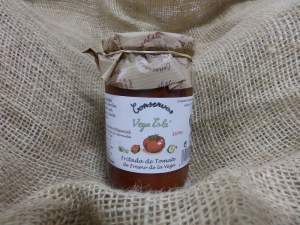 Artisan Tomato Fritada, 314 ml
 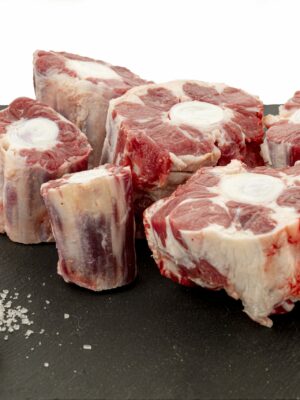 Oxtail
 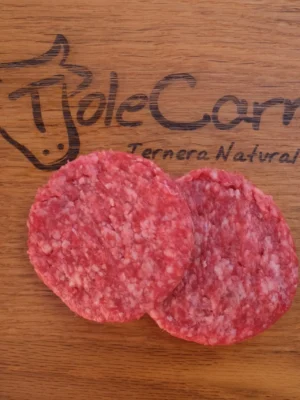 100% beef burgers – gluten-free (2)