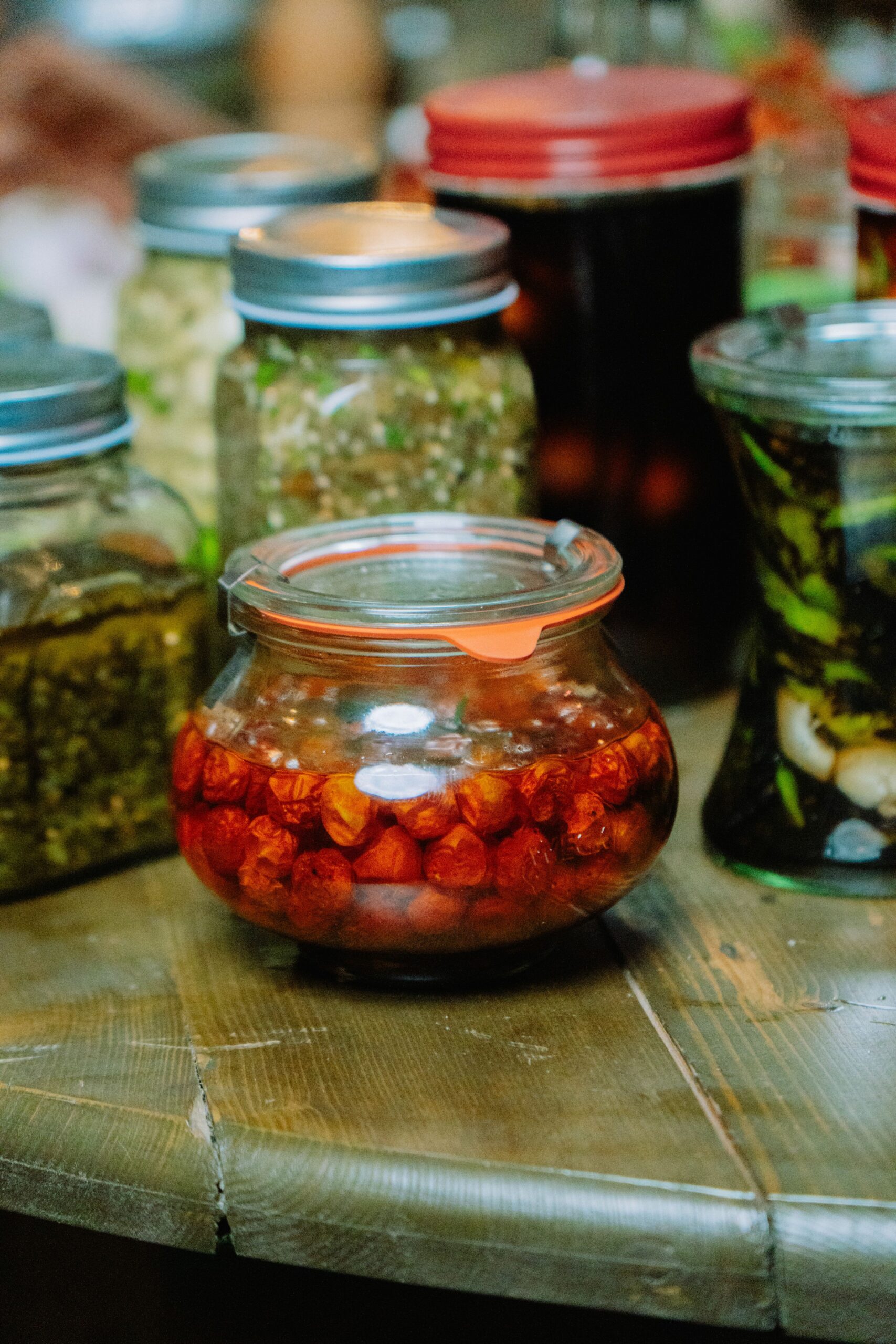
Canned and jarred foods are designed to last far longer than fresh ingredients, but they are not immortal. Heat processing, an airtight seal and correct storage can keep food stable for a long period. Even so, flavour, colour and texture slowly decline, and a damaged container can turn an apparently ordinary preserve into food that should not be eaten.
To answer “do canned foods expire?”, separate three questions: what type of date appears on the label, how the product has been stored and whether the container is still intact. A date that has passed is not the same situation as a bulging lid, leaking can or jar that has lost its vacuum.
Use-by and best-before dates are different
In European food labelling, a use-by date is associated with highly perishable foods and food safety. A best-before date primarily indicates how long a food is expected to retain its intended quality when stored correctly.
Many commercially sterilised preserves use best-before dates. Passing that date does not automatically make the food unsafe, but it does not mean it can be stored indefinitely either. The manufacturer sets the date according to the recipe, process, packaging and expected shelf life. Always follow specific storage instructions on the label.
How long do unopened canned foods last?
There is no single shelf life for every product. Acidity, heat treatment, container type, ingredients and storage temperature all matter. As a general reference, food-safety authorities distinguish high-acid canned foods, which tend to retain best quality for a shorter period, from low-acid foods, which can remain shelf-stable for several years when the container is sound and storage conditions are cool and dry.
At home, the best rule is stock rotation. Put older jars and cans at the front, check dates and avoid keeping products for years simply because they can last a long time. Shelf stability does not prevent gradual quality loss.
How to store cans and jars
Keep them in a cool, dry place away from sunlight and heat. Avoid cupboards directly over the cooker, damp areas, garages with large temperature swings and places where containers may repeatedly freeze or become very hot.
Humidity encourages external corrosion on cans and heat accelerates quality deterioration. Protect jar lids from impacts as well. Good storage cannot repair a defective product, but it helps a properly processed preserve reach the end of its intended shelf life in good condition.
Warning signs that mean you should discard it
Some containers should not be opened for a taste test. Do not eat food from a can or jar that is bulging, leaking, cracked, badly rusted, has a raised lid, a broken seal, or a severe dent affecting a seam.
Other warning signs include a clearly abnormal smell, unexpected foam or gas, unusual liquid or any appearance that is inconsistent with the normal product. Never taste suspicious canned food to decide whether it is safe: dangerous contamination cannot always be detected by flavour or smell.
Is every dented can unsafe?
No. A small superficial dent away from a seam may not have compromised the container. A deep or sharp dent, particularly on a seam, can damage the seal and should be treated much more cautiously.
If an online order arrives with a badly damaged can, photograph the packaging and container and contact the seller before opening it. Replacing a damaged product is better than guessing whether the seal survived.
What does a bulging lid mean?
A vacuum-sealed jar normally has a firm lid with a slight inward pull. If the lid is raised, clicks when pressed when it should not, or has clearly lost vacuum before opening, do not eat the contents. A swollen metal can can indicate gas formation and is also a warning sign.
Do not attempt to make a suspicious commercial jar safe by boiling it again. Commercial processing relies on controlled parameters; a compromised seal is a product failure, not a home reprocessing project.
What changes once a preserve is opened?
As soon as the seal is broken, the food is no longer shelf-stable in the same way. Follow the manufacturer's instructions. Many products need refrigeration after opening and should be eaten within a few days.
Where appropriate, transfer leftovers to a clean closed container, use clean utensils and avoid repeatedly putting used cutlery into the jar. If the food is packed in oil, brine or another covering liquid, follow label instructions on keeping the contents covered.
Can you eat canned food after its best-before date?
A passed best-before date is not automatically equivalent to a use-by date. An intact commercially processed container stored properly may still be acceptable from a safety perspective while quality declines. But the decision should consider how long ago the date passed, the manufacturer's guidance and the actual condition of the container.
If storage history is unknown, the label cannot be read or the container looks abnormal, it is not worth taking a risk. A well-managed pantry rotates food before this becomes an issue.
Home-canned and commercially canned foods are not the same
Industrial preserves use controlled equipment, validated heat treatments, recipes and sealing systems. Home canning is safe only when the correct tested process has been followed for the specific food. Do not use the long shelf life of a commercial can as the automatic benchmark for a jar processed at home.
Low-acid foods require particular care in home canning because inadequate processing can create a botulism risk. Use tested procedures from official food-safety sources.
What if a jar makes a pop when opened?
A moderate sound caused by air entering a properly vacuum-sealed jar can be normal. The concerning situations are a lid that was already loose, a swollen container, forceful spurting, unexpected foaming or fermentation in a product that should not ferment.
When in doubt, do not put your face close to the container and do not taste the food. Dispose of suspicious food so that people or animals cannot accidentally eat it.
Frequently asked questions
Will an unopened can last forever?
No. Commercial preserves can last for years, but both container integrity and food quality deteriorate eventually.
Can I eat something one month after its best-before date?
A best-before date mainly concerns quality, but storage history, manufacturer instructions and the condition of the container must all be considered. Any warning sign means the product should be discarded.
Can I taste a suspicious can to see if it is bad?
No. Never taste food from bulging, leaking or otherwise compromised containers as a safety test.
Where should canned foods be stored?
In a cool, dry pantry away from direct sunlight, heat and humidity.
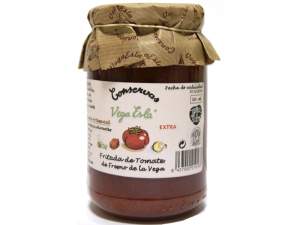
Browse our selection of producer-made preserves.

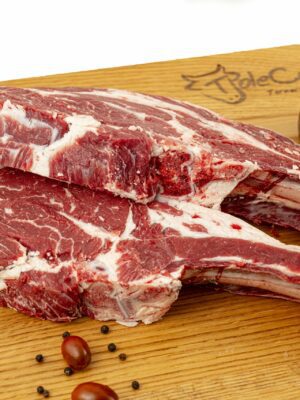 2 chuck tomahawk steaks & wine box
 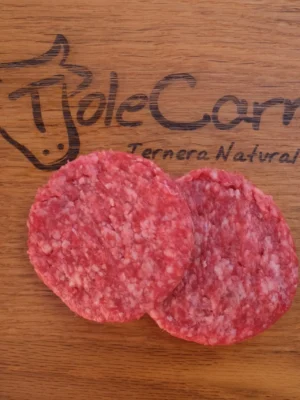 100% beef burgers – gluten-free (2)