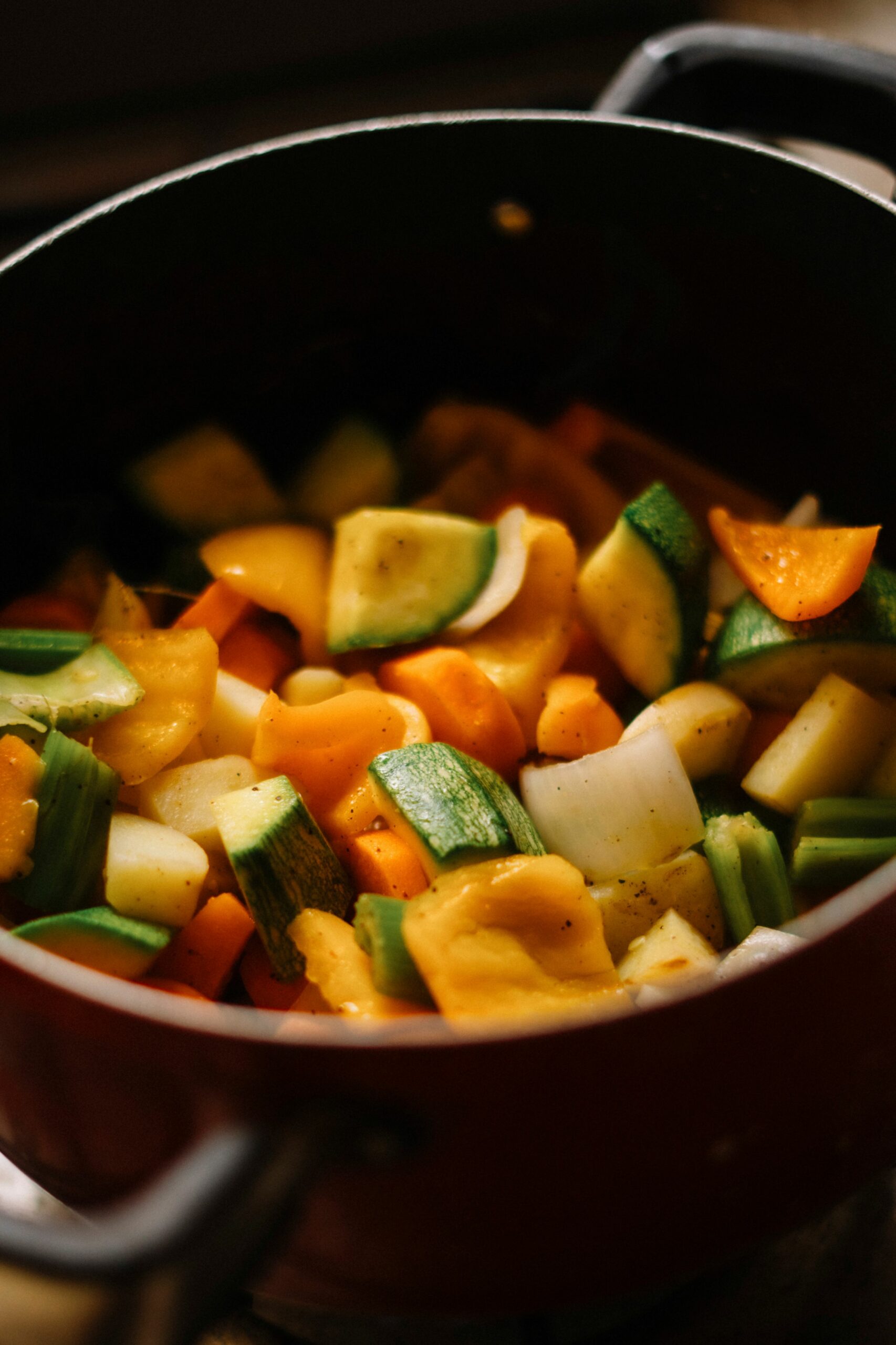
“Raw vegetables have more nutrients” sounds like a simple rule, but it is too broad. Cooking can reduce some compounds while making others more available. The outcome depends on the vegetable, cooking time, temperature, the amount of water used and whether that cooking liquid is eaten or discarded.
There is therefore no universal winner between raw and cooked vegetables. For a varied diet, the most useful approach is usually to eat both and choose methods that make vegetables enjoyable, practical and easy to include regularly.
Quick answer: are raw or cooked vegetables better?
Neither is always better. Raw vegetables can retain heat- and water-sensitive nutrients particularly well, including some vitamin C and folate. Cooking, however, softens plant cell walls and can make certain carotenoids easier to extract, as seen with foods such as tomatoes, carrots and some leafy vegetables.
You do not need to eat everything raw to maximise nutrition, nor cook everything for better digestion. Variety is the stronger strategy.
Which nutrients can decrease during cooking?
Water-soluble vitamins are especially vulnerable when water, high heat and long cooking times are combined. Vitamin C is the best-known example. Some is degraded by heat and some can leach into the cooking water.
Similar effects can occur with certain folates and B vitamins. This does not mean cooked vegetables become nutritionally empty. Losses vary substantially according to the method.
- Long boiling: encourages losses through both heat and leaching.
- Steaming: often limits water-soluble nutrient losses because the food is not submerged.
- Microwaving with little water: can retain nutrients well because cooking times are short.
- Quick sautéing: uses little water and short times, although surface temperatures are high.
What can improve with cooking?
Heat softens plant structures, which can help release some compounds during digestion. Carotenoids are a useful example: cooking can increase their extractability in particular vegetables.
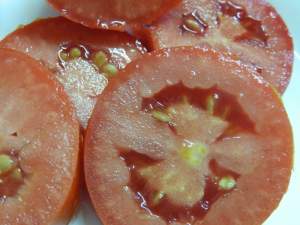
Tomato and lycopene are the classic example. Carrots, spinach and other carotenoid-rich vegetables can also change in ways that make these compounds easier to release from the plant matrix. A small amount of fat such as EVOO can further help the absorption of fat-soluble compounds.
This is why “more present in the raw food” does not always mean “more absorbed by the body”. Content and bioavailability are not the same thing.
Is boiling vegetables bad?
No. Boiling is completely valid, especially in soups, stews and purées where the cooking liquid is eaten as part of the dish. Nutrients that move into the water are not necessarily lost from the final meal if you consume that liquid.
The less useful approach is boiling vegetables for a long time in excessive water and then discarding all of it unnecessarily. For many vegetables, cooking just until tender or steaming preserves texture, colour and flavour better.
Vegetables that work particularly well raw
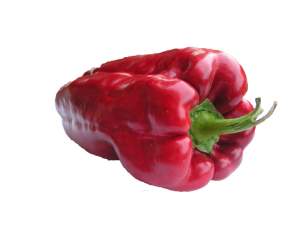
Tomatoes, peppers, lettuce, escarole, tender leaves, cucumber, onion and carrots can all work well raw. They provide fresh texture and avoid heat-related losses.
But even within this group there is no need to choose only one form. Raw and cooked tomatoes, for example, offer different textures and different patterns of nutrient availability.
Vegetables transformed by cooking
Aubergine, courgette, cauliflower, broccoli, leek, chard, spinach, peppers and onions can develop very different flavours and textures when cooked. Cooking also often reduces volume, making it easier to eat a substantial portion.
For many people, a serving of sautéed spinach or cooked chard is easier to eat than the same weight raw. In practical nutrition, the method that helps you eat vegetables consistently has real value.
Does cooking make vegetables easier to digest?
Often it does, because heat softens cell walls and changes the physical structure of fibre. Some people tolerate certain cooked vegetables better than large raw portions. Digestive response is individual, however, and depends on quantity, fibre type and the rest of the meal.
“Easier to digest” should not be confused with “healthier”. They are different questions.
Cooking method matters more than the word “cooked”
Comparing a raw carrot with one boiled for 40 minutes is not representative of every home meal. To minimise unnecessary losses:
- Cut shortly before cooking when practical.
- Use no more water than necessary.
- Avoid overcooking.
- Use the cooking liquid in soups, stews and purées.
- Rotate steaming, roasting, sautéing and microwaving according to the vegetable.
- Add EVOO when it suits the dish, particularly with vegetables rich in fat-soluble compounds.
What happens to fibre?
Cooking changes the physical structure of plant tissues, but a cooked vegetable still provides fibre. Fibre does not simply disappear when heated. What changes is texture, water-holding behaviour and how easily the food is chewed and digested.
Raw does not automatically mean healthier
A salad can be an excellent choice, but so can roasted vegetables, ratatouille, vegetable soup or a quick sauté. Overall quality depends on variety, portion, cooking method and the ingredients added to the dish.
Briefly cooking vegetables with EVOO does not turn them into poor-quality food. Likewise, a raw vegetable is not automatically superior simply because it has not been heated.
How to combine raw and cooked vegetables
You do not need an exact percentage. Include salads, raw tomato or pepper in some meals and steamed, roasted, grilled or stewed vegetables in others. This diversifies nutrients, textures and forms of preparation.
Good storage before cooking matters too. See our guide to storing vegetables correctly and our explanation of the Spanish distinction between verdura and hortaliza.
The useful conclusion
Do not turn raw versus cooked into a competition. Raw vegetables preserve some heat-sensitive nutrients particularly well; cooked vegetables can make other compounds more accessible and improve texture, flavour and tolerance. A varied pattern using sensible cooking times and methods is the strongest approach.
Browse our fresh vegetable selection and choose whether to serve each product raw or cooked according to the recipe and season.