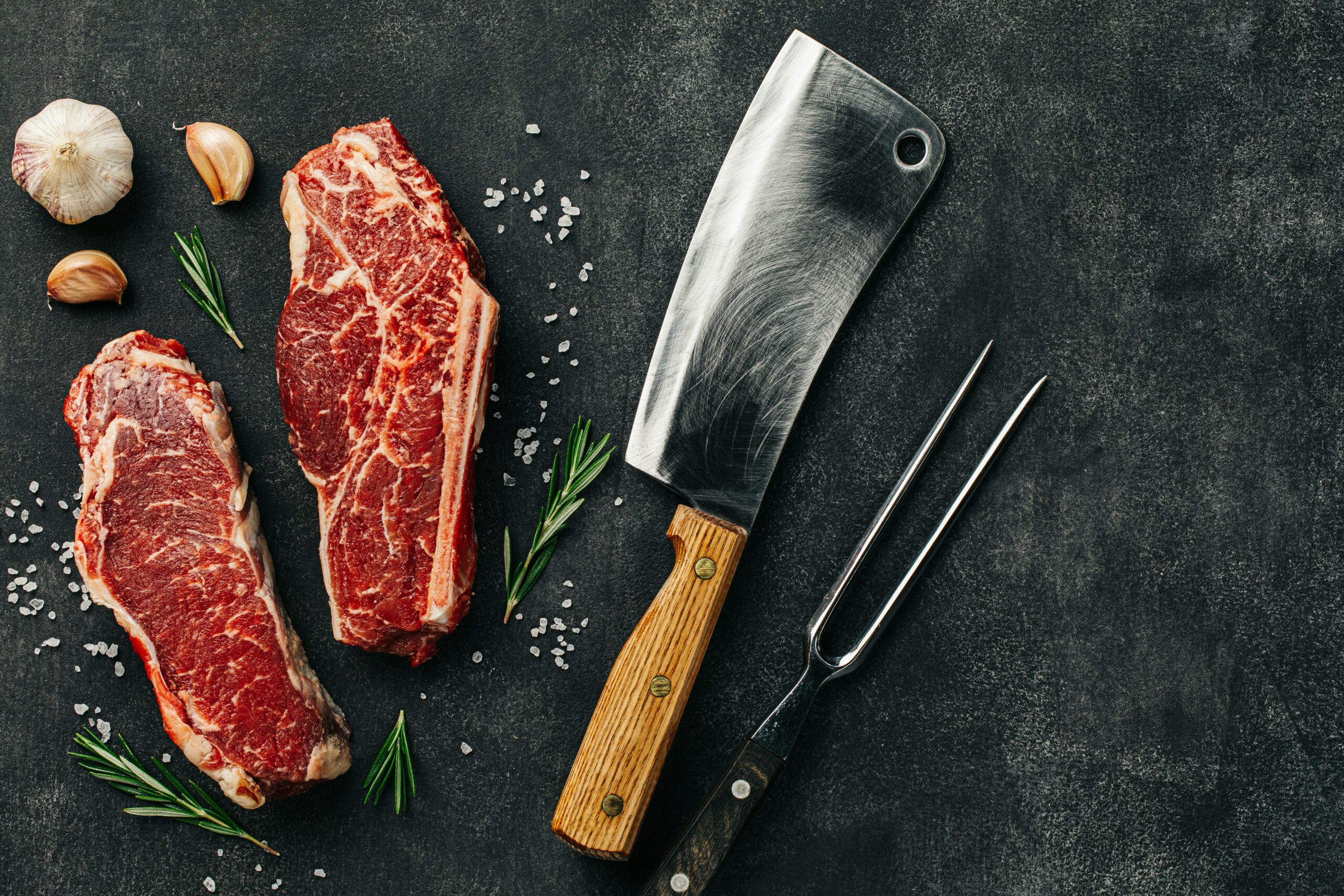
Cow and veal are not simply two names for the same meat. Both come from cattle, but they refer to animals at different stages of development, which can influence colour, flavour, fat and texture. That does not make one automatically better. Cut, breed, feeding, husbandry, aging and cooking method can matter just as much.
The useful question is therefore not “which is superior?” but “what kind of result do I want?” Veal can suit a mild everyday steak, while well-selected mature cow beef can offer a deeper, more pronounced flavour.
What do veal and cow mean?
In butcher-shop language, veal refers to meat from young cattle, while cow beef refers specifically to meat from an adult female bovine. Other commercial age and sex categories exist between those simple labels, so the product description and traceability should always take priority over assumptions.
Age affects muscle development and flavour, but it never works in isolation. Two young animals from different breeds, feeding systems or farms can produce beef that is more different than a carefully selected young and mature animal.
Differences in colour
Meat from younger animals is generally lighter than meat from older cattle. As muscle develops, myoglobin levels tend to increase, contributing to a deeper red colour in mature beef.
However, colour alone cannot reliably tell you the animal's age or the quality of the meat. Oxygen exposure, packaging, storage and the cut itself all affect appearance. Vacuum-packed beef can look darker in the pack and become brighter red after opening.
Differences in flavour
Veal is usually associated with a milder, cleaner and more delicate flavour. Mature cow beef can be deeper and more persistent, especially when the animal has developed good fat and the cut has been aged appropriately.
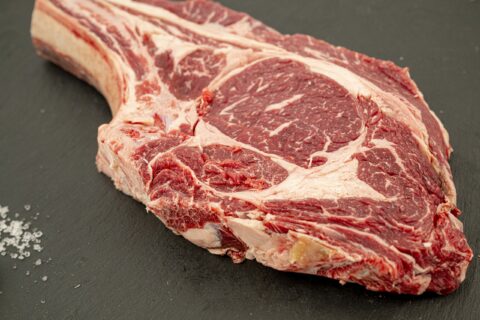
This intensity is one reason selected mature beef is highly valued for rib steaks, entrecôte and other grilling cuts. Well-developed fat can add complexity and a richer mouthfeel.
Our guide to dry-aged beef explains how controlled aging changes flavour and why a higher day count is not automatically better.
Is veal always more tender?
No. That is an oversimplification. Age can play a role, but tenderness depends heavily on the specific muscle. A lightly worked muscle from a mature animal can be very tender, while a connective-tissue-rich cut from a younger animal may still need slow cooking.
Thickness, aging and fibre direction also matter. Even excellent meat can seem tougher if it is sliced incorrectly. See our guide to cutting meat against the grain.
What about fat and marbling?
Fat level varies enormously between individual animals. Mature cattle can develop very attractive fat and marbling, but not every cow is fatty and not every young animal is lean.
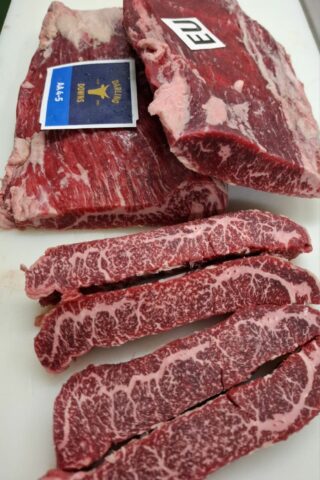
When comparing steaks, look at the distribution of intramuscular fat rather than age alone. Marbling can contribute to juiciness and flavour as it heats. Our beef marbling guide explains how it differs from an external fat cap.
Cow vs veal: quick comparison
| Feature | Veal | Mature cow beef |
|---|---|---|
| Flavour | Generally milder and more delicate. | Often deeper and more pronounced. |
| Typical colour | Usually lighter, depending on packaging and cut. | Usually a deeper red. |
| Texture | Can be tender, depending on the cut. | Can also be very tender with the right cut and aging. |
| Fat | Highly variable. | May show more developed fat, but still highly variable. |
| Common uses | Steaks, stews, mince and everyday cooking. | Often prized for characterful grilling cuts. |
These are broad tendencies, not fixed rules. A precise product description is more useful than a single label.
Which should you choose for steaks?
For thin everyday steaks, good veal can offer an approachable flavour and pleasant texture when cooked quickly. The key is avoiding overcooking: a thin steak can move from juicy to dry in a short time.
Our guide to cooking tender, juicy beef steaks explains how pan temperature, thickness and resting affect the result.
Which should you choose for grilling and thick cuts?
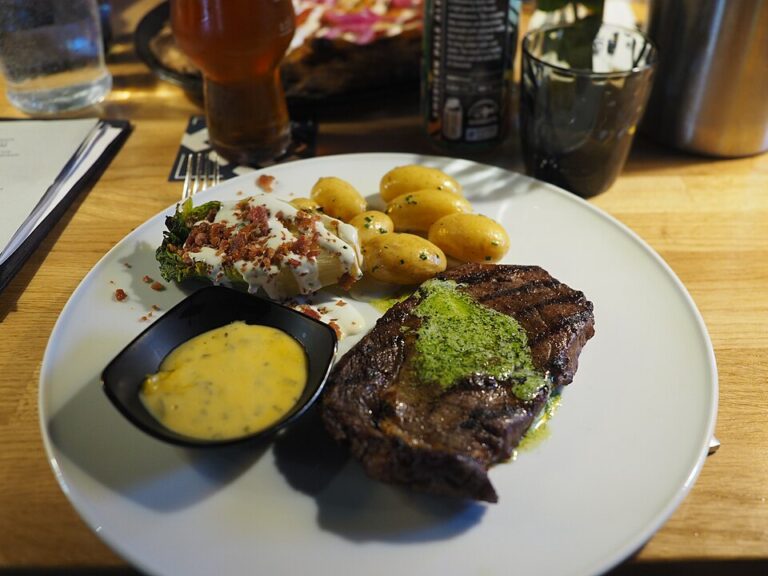
If you want a more intense experience, mature cow beef with good marbling and appropriate aging can be especially appealing in thick cuts. Strong surface browning and good control of the centre allow you to render some fat without overcooking the meat.
With rib steak, entrecôte and tomahawk, look at thickness, marbling and origin as well as the animal category. Our rib steak vs entrecôte comparison helps separate the most important differences.
Which works better for stews?
For braises and stews, the cut and its connective tissue matter more than automatically choosing young or mature beef. Hard-working muscles can become excellent when cooked gently for long enough.
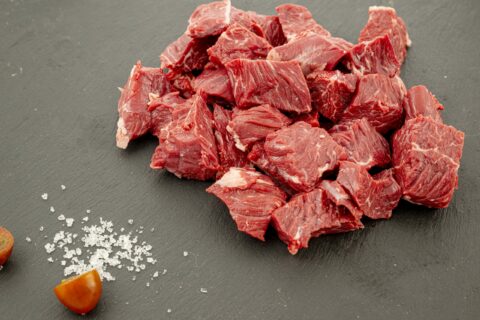
Mature beef can give a stew a deeper beef flavour, while veal can produce a more delicate result. Technique remains central: brown the meat, add liquid and cook gently rather than boiling aggressively.
Which should you choose for mince and burgers?
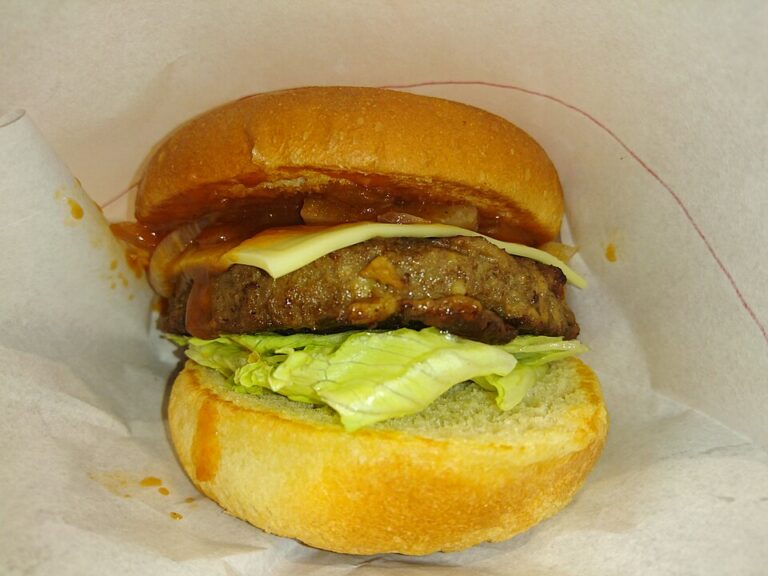
In minced meat, the difference can show in both flavour and fat. Balanced cow beef can make a deeply flavoured burger, while veal mince can be mild and versatile for meatballs, fillings and sauces.
See our guide to ground beef for composition and buying advice, and our juicy beef burger guide for cooking technique.
Which is healthier?
You cannot answer that from “cow” or “veal” alone. Fat content depends far more on the individual cut and trimming. Both categories can provide lean or fattier pieces.
If you specifically want less visible fat, choose according to cut and composition. Our guide to lean beef explains how to recognise and cook it without drying it out.
How to compare two beef products
- Read the denomination: check the animal category and exact cut.
- Check weight and thickness: grilling cuts cannot be compared on price per kilo alone.
- Look at marbling: intramuscular fat affects flavour and juiciness.
- Check aging information: if aging is promoted, it should be clearly explained.
- Match the cooking method: quick pan-frying, grilling, braising and mincing favour different characteristics.
- Do not rely on colour alone: packaging and oxygen exposure alter appearance.
Frequently asked questions
Is cow beef tougher?
Not necessarily. The right mature-beef cut, properly aged and cooked, can be extremely tender. Muscle location and technique are crucial.
Does veal have less flavour?
It usually has a milder profile. That does not mean poorer flavour; it is simply a different level of intensity that suits many dishes.
Can you identify cow versus veal just by looking?
Not reliably. Colour and fat provide clues, but identification should come from the seller's product information and traceability.
Which is better for a barbecue?
It depends on the cut. Thick steaks may benefit from more marbling and flavour, while skewers and fast-cooking pieces may suit a milder profile. See our guide to choosing meat for a barbecue.
Choose for the result, not the label
Cow and veal can offer genuinely different profiles, but neither wins every time. Combine animal category with cut, marbling, aging, thickness and cooking method. Those factors tell you far more about the final eating experience than a single word on its own.
-
Sale!
 Select options
This product has multiple variants. The options may be chosen on the product page
Select options
This product has multiple variants. The options may be chosen on the product page



 Hot Green Peppers in Vinegar, 314 ml
  10 kg of Fresh Vegetables
  Artisan Pepper Jam, 250 ml
  Oxtail
  Red Lamuyo Pepper