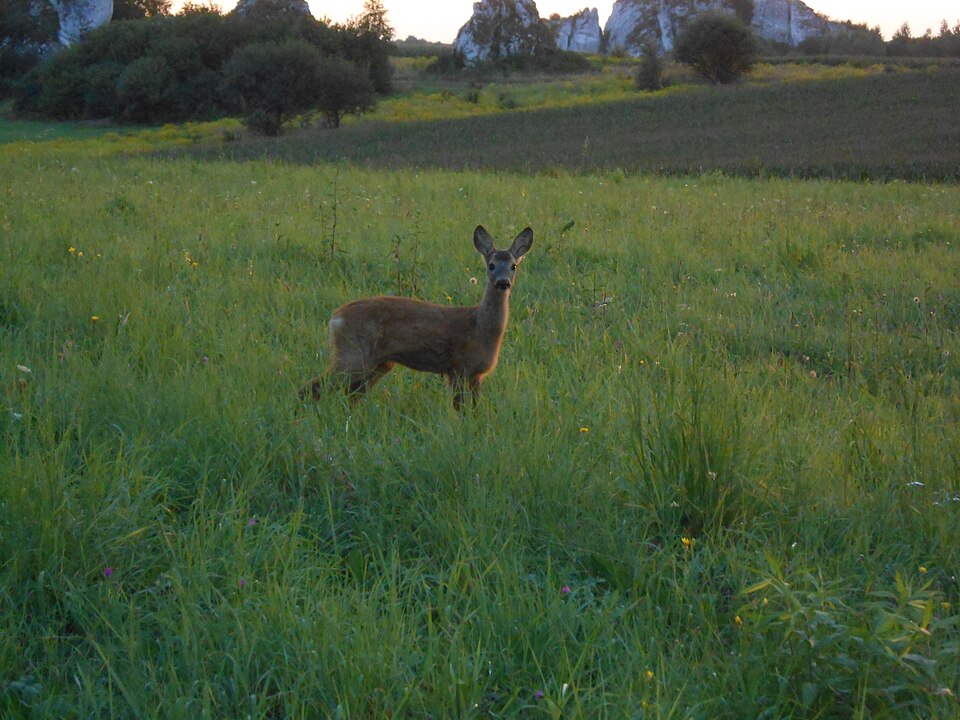
Roe deer, fallow deer and venison often appear near each other in specialist meat catalogues, yet the words are not interchangeable. Roe deer and fallow deer identify particular animal species. Venison is a broader culinary term in English, while Spanish venado can mean red deer more specifically depending on context. Understanding those differences is useful when buying the right meat and choosing a suitable cooking method.
Which animal does each name describe?
| Common term | Scientific name | Important distinction |
|---|---|---|
| Roe deer | Capreolus capreolus | A European deer species distinct from fallow or red deer |
| Fallow deer | Dama dama | Another distinct European deer |
| Red deer | Cervus elaphus | Often associated with Spanish venado in commercial contexts |
| Venison | Not necessarily a single species | A food term covering various deer meats in English |
In British English, venison may be used for meat from several deer species. In Spanish, venado can be understood more specifically as red deer in some settings. Imported retail descriptions therefore need careful translation, not simply word-for-word replacement.
Is one species always milder than the others?
Rankings that claim one deer species always tastes delicate and another always tastes strong overlook diet, age, ageing, muscle and preparation. A highly seasoned fallow deer stew could taste more intense than an unseasoned red deer loin, but that does not establish a reliable species hierarchy.
Game meat can have a recognisable red-meat depth, yet flavour and tenderness vary between individuals and cuts. If you want a meaningful tasting, compare similar cuts prepared in comparable ways and keep heavy sauces separate. Otherwise you may be comparing recipes rather than animals.
Choose cooking methods by the muscle
Loin or tenderloin sold for quick cooking may suit a pan method, while connective-tissue-rich muscles sold as ragout or stewing cubes benefit from moist, gentle heat. That principle applies across different deer species: the animal name cannot replace the cut description.
For a steak, check thickness, ageing and the actual safe-cooking instructions; do not simmer a tender cut for hours merely because it is game. For stewing cubes, brown in batches, soften onion and carrot, add stock and cook with enough moisture until tender and safely heated.
Ground game burgers are different again. Grinding changes texture and spreads surface bacteria throughout the mixture. They may also contain additional ingredients. Do not use intact-steak doneness assumptions for a minced preparation.
How to read an honest product listing
A useful listing identifies the exact species, country of origin, cut, net weight, whether it is fresh or frozen, traceability and recommended cooking. Commercial game supply also requires the appropriate authorised chain and health controls.
A listing that says only premium venison beside a deer photograph may leave the actual species unresolved. If you want roe deer or fallow deer specifically, look for that information on the label. Where the term comes from an English catalogue, clarify which animal the original description intended.
Compare cuts or build different dishes
A fair roe deer and fallow deer comparison might use two similar cuts with simple, safe preparation and mild accompaniments. Red deer ragout, on the other hand, could be intended as a rich slow-cooked dish rather than a tasting of steaks. Both can be good meals when matched to the cut.
Mushrooms, potatoes, root vegetables and gentle stocks are useful companions. Marinating can add flavour but cannot substitute for cold-chain handling, suitable health controls or proper cooking. Wine is not a way to make untraceable meat safe.
Ask two questions before buying
First, which animal do you want to taste? That is answered by species and origin. Second, what do you want to cook? That depends on the particular muscle and product format. Answering both avoids choosing an unsuitable recipe because of a general label.
Our venison guide looks more closely at the meat, while the game-meat ragout guide explains slow cooking for appropriate cuts. Species comparisons should improve buying decisions rather than generate nearly identical recipes for every deer.
This photograph shows a roe deer, one of the species discussed; it does not show a fallow or red deer. Photograph: V8powerage / Wikimedia Commons. License CC BY-SA 4.0. Image resized for web display.
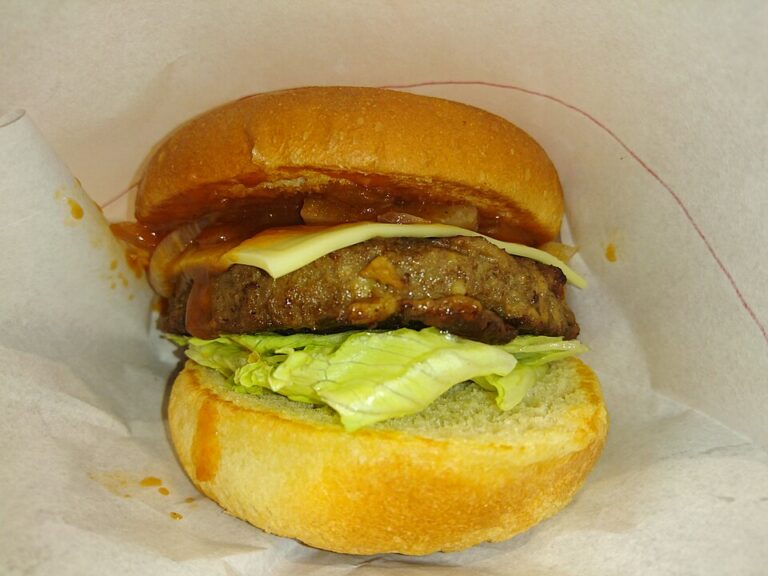
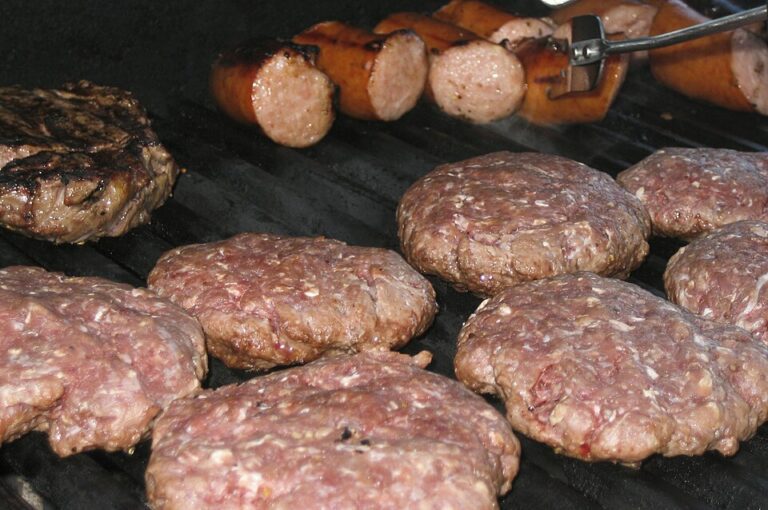
 100% mature beef burgers – gluten-free (2)