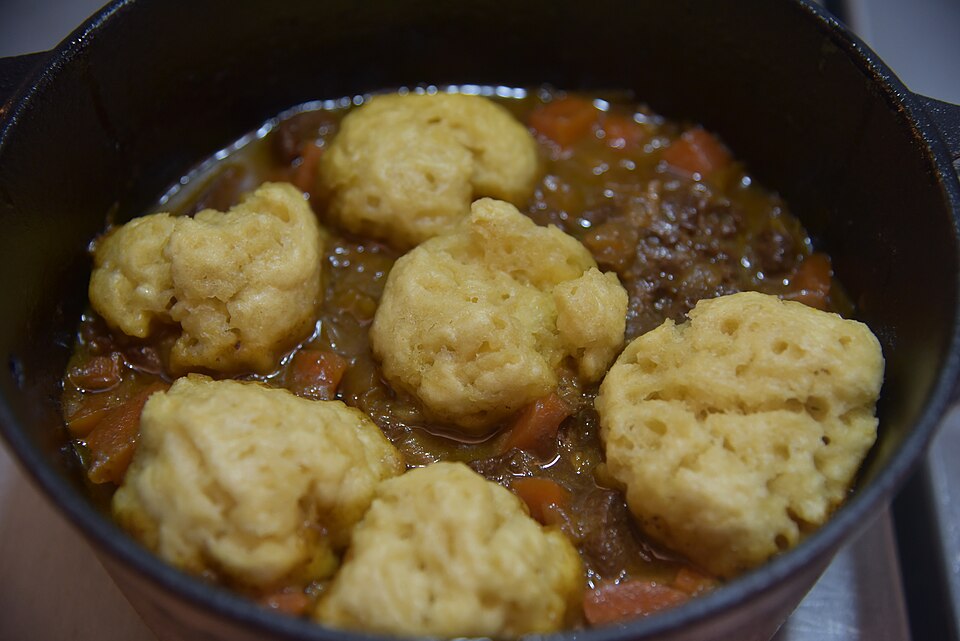
Game-meat ragout sounds like a finished dish, but in many specialist shops it means something more specific: raw meat cut into cubes and intended for stewing. That distinction affects dinner. A pack of stewing cubes may disappoint if quickly pan-fried like tender medallions, while an expensive tenderloin can lose much of its appeal if simmered for hours.
Ragout is not one universal anatomical cut. Producers can select different muscles intended for moist cooking. Nor does it identify a species: wild boar, red deer, roe deer and fallow deer differ in flavour, cuts and, in some cases, important food-safety precautions.
Questions worth asking about the label
Look for the actual species, origin, muscle or cut if available, approximate cube size, fresh or frozen status and intended cooking method. Some products come pre-marinated or seasoned; then examine allergens, added ingredients and salt as well as net weight.
Stewing cuts may contain more connective tissue. Appropriate moist heat over time can improve their texture, whereas brief high-heat cooking may leave them chewy. The objective is a steady, gentle simmer with sufficient liquid—not violent boiling until the pot dries out.
How the type of game changes the meal
| Meat | What deserves attention |
|---|---|
| Venison or red deer | Cut, ageing, flavour and how much connective tissue is present |
| Roe deer or fallow deer | Clear species identification and actual suitability for stewing |
| Wild boar | Veterinary control and Trichinella prevention as well as the cut |
| Mixed game | Every species and ingredient in the mixture, including its safety requirements |
No species can be ranked reliably as always stronger in flavour. Diet, age, ageing and the recipe influence what the eater perceives. A wine-heavy venison stew is not a fair comparison with gently seasoned roe deer.
A flexible base recipe for four
Prepare approximately 800 g clearly labelled game stewing cubes, two onions, two carrots, two garlic cloves, olive oil, bay leaf, thyme and 400–600 ml stock depending on the pot. A little red wine is optional; reduce it before adding stock. This is a method rather than a claim that every species shares the same cooking time or safety temperature.
- Thaw correctly. When needed, thaw in the refrigerator with raw juices contained. Pat the meat surface dry.
- Brown in batches. Give the cubes room in a heavy pot. Overcrowding traps released moisture and prevents useful browning.
- Make a simple vegetable base. Soften onion, carrot and garlic in the pot, add herbs and scrape up the browned flavours with a little stock.
- Return the meat and add liquid. Simmer gently under a lid, keeping the contents moist without turning the meal into a thin soup.
- Check two distinct outcomes. Connective tissue softens with appropriate cooking; food safety requires a verified internal temperature suitable for the actual species and product.
- Finish the sauce. Reduce if thin or blend a little cooked vegetable for body. Season after the liquid has reduced.
This technique avoids pretending that one number of minutes suits all game. Meat may need more gentle cooking to become tender. Equally, tenderness is not proof that every food-safety requirement has been met.
Wild boar needs more than a general stew recipe
Wild boar is not simply another form of venison. Spain's food-safety authority AESAN describes the risk of Trichinella in wild game and the importance of the legally required veterinary checks. AESAN also recommends cooking wild boar so that every part reaches 71°C. Household freezing, smoking or marinading cannot substitute for proper control.
Buy from an authorised, traceable food chain. If a mixture contains several animals, check what they are and follow the applicable instructions rather than assuming one general guideline will suit them all.
Three avoidable mistakes
First, do not waste a naturally tender and expensive steak cut on a long stew when a suitable working muscle will do better. Second, do not boil aggressively with too little liquid. Third, do not rely on extended wine or vinegar marinating to fix a cut that simply needs the right kind of moist cooking.
Serve ragout with potatoes, mild root vegetables or mushrooms rather than masking every species under the same overwhelming spice mix. For an actual wild-boar recipe, follow our wild boar stew; for choosing and understanding deer meat, see our venison guide.
A useful ragout label should answer three questions before you start: which animal, which cut and which precautions? Once those are clear, slow cooking becomes a manageable technique rather than a mystery.
Venison stew photograph illustrating a game ragout; other game species may look different. Photograph: Conall / Wikimedia Commons. License CC BY 2.0. Image resized for web display.
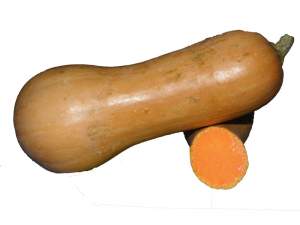 Calabaza
  Lombarda
 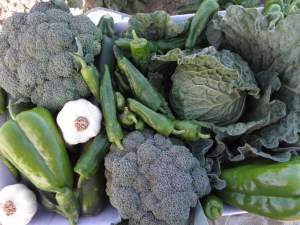 10 kg of Fresh Vegetables
 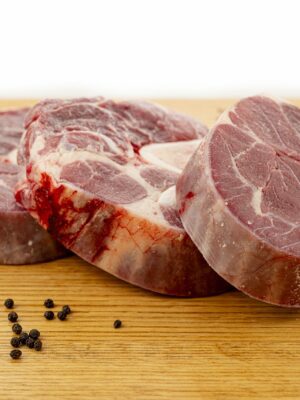 Beef osso buco
 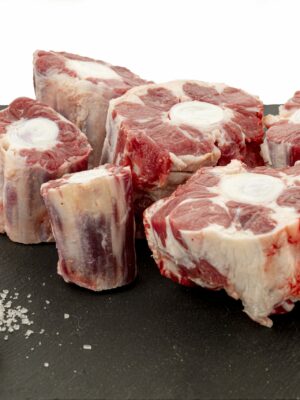 Oxtail