
You take meat from the freezer and find dry, pale, grey or leathery patches. This is commonly called freezer burn. The name sounds as though the cold has literally burned the food, but the main problem is moisture loss and exposure to air during frozen storage.
Freezer burn mainly affects quality. USDA-FSIS states that food kept properly frozen can remain safe even when freezer burn appears, although affected areas may be dry, tough and less pleasant in flavour.
What happens inside the freezer?
Even while frozen, the surface of meat can lose moisture. Water migrates from the food towards drier surroundings and may end up as ice crystals in the packaging or freezer. The exposed tissue becomes dehydrated.
If air also enters through poor packaging, the surface is more vulnerable to oxidation. The result is a combination of dehydration, colour change and loss of eating quality.
How to recognise freezer burn
Typical signs include whitish, grey or light-brown patches, dry surfaces and hardened areas. Red meat can also show colour changes as pigments oxidise.
A little frost inside a package does not automatically prove the meat itself is badly burned. Look at whether the surface has become visibly dry and altered.
Is freezer-burned meat safe?
Freezer burn by itself does not make meat unsafe when the food has stayed continuously frozen and has been handled correctly. USDA describes it as a quality rather than a safety issue.
This does not mean every forgotten freezer package is automatically safe. Power failures, long thawing periods, unknown temperatures or contamination before freezing are separate questions. Dry appearance cannot reveal the full temperature history.
What changes after cooking?
Burned areas have lost water, so they often cook up drier, tougher or more fibrous than unaffected meat. Oxidised flavours can also become noticeable.
A steak with one small affected corner can be easier to rescue than a piece that is dehydrated across most of its surface.
Can the affected area be trimmed?
Yes. Localised freezer burn can be cut away before or after cooking. If the remaining meat is otherwise sound, it can still be used.
Minor damage is often less noticeable in stews or long, moist cooking than in a steak where tenderness and juiciness are central.
The most common cause: too much air
Frozen food retains quality better when it is well protected from air. A loose bag, damaged seal or wrapping with large air pockets encourages moisture loss.
Use freezer-grade bags or containers and remove as much air as practical. USDA notes that suitable packaging helps prevent freezer burn and that thin plastic wrap alone gives limited long-term protection.
Freeze sensible portions
Dividing a large purchase into meal-sized portions allows each package to be compact and lets you thaw only what you need. Repeatedly opening one large bag introduces air and moisture to everything inside.
Label packages with the date and cut. Organisation reduces the chance of discovering an unidentified package months later.
Freezer temperature matters
USDA recommends keeping a household freezer at about 0°F / -18°C or below. At this temperature frozen foods remain safe for very long periods; recommended storage times mainly concern best quality.
Frequent temperature swings harm texture and encourage moisture movement. A stable freezer protects quality better.
Faster freezing protects texture
Slow freezing produces larger ice crystals that can damage cell structure more severely. Relatively rapid freezing favours smaller crystals and better texture after thawing.
At home, avoid loading the freezer with a huge quantity of warm food at once and leave enough space for cold air circulation.
How long can meat stay frozen?
Safety and quality need to be separated. Continuously frozen meat can remain safe for a very long time, while quality gradually declines. USDA suggests roughly 4–12 months for best quality of raw beef steaks, roasts and chops, with shorter periods for ground meat.
Packaging, fat content, cut and temperature stability all influence the result.
Do not confuse freezer burn with unsafe thawing
A pale dry patch formed during frozen storage is one issue. Meat that thawed for too long at unsafe temperatures and was then frozen again is another. Freezing does not erase problems created during poor handling.
See our guide to defrosting meat safely for that separate question.
Vacuum packing and freezing
Vacuum packing reduces air around the meat and usually helps preserve frozen quality. Check that the bag and seal remain intact. A package that loses vacuum can begin to dehydrate even while still frozen.
What to do with affected meat
- Confirm that it stayed correctly frozen.
- Thaw it using a safe method.
- Trim severely dry areas when damage is localised.
- Choose a moist cooking method if texture has suffered.
- Discard it when the temperature history is doubtful or there are other spoilage signs unrelated to freezer burn.
The short prevention list
Freezer-grade packaging, minimal air, a tight seal, sensible portions, visible dates and stable temperature. Prevention works far better than trying to repair dehydrated meat later.
Frequently asked questions
Can freezer burn cause food poisoning?
Freezer burn itself is a quality defect. Properly frozen meat is not automatically unsafe because of it. Other handling problems must be assessed separately.
Can I cook the meat without trimming it?
Yes, but heavily affected areas can remain dry and unpleasant. Removing them often improves the result.
Does ice inside the bag always mean freezer burn?
No, although it can indicate moisture movement or air entry. Check the meat surface and packaging as well.
Does vacuum packing prevent freezer burn completely?
It greatly reduces air exposure but cannot compensate for a failed seal or unstable freezer temperatures.
-
Sale!
 Select options
This product has multiple variants. The options may be chosen on the product page
Select options
This product has multiple variants. The options may be chosen on the product page

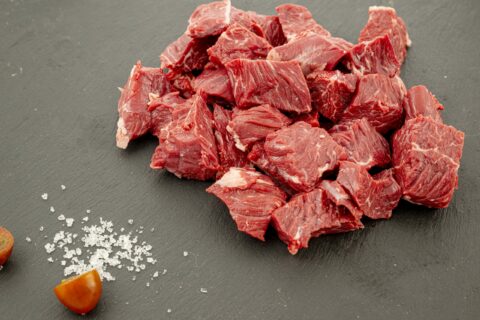
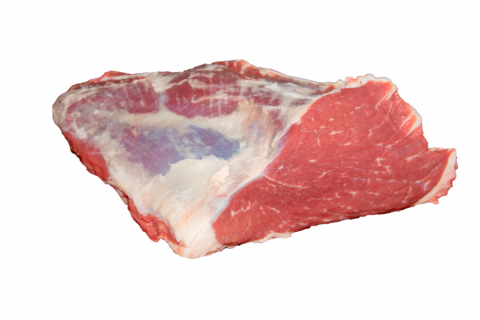

 Lean diced beef / beef ragout