
A cut with plenty of flavour
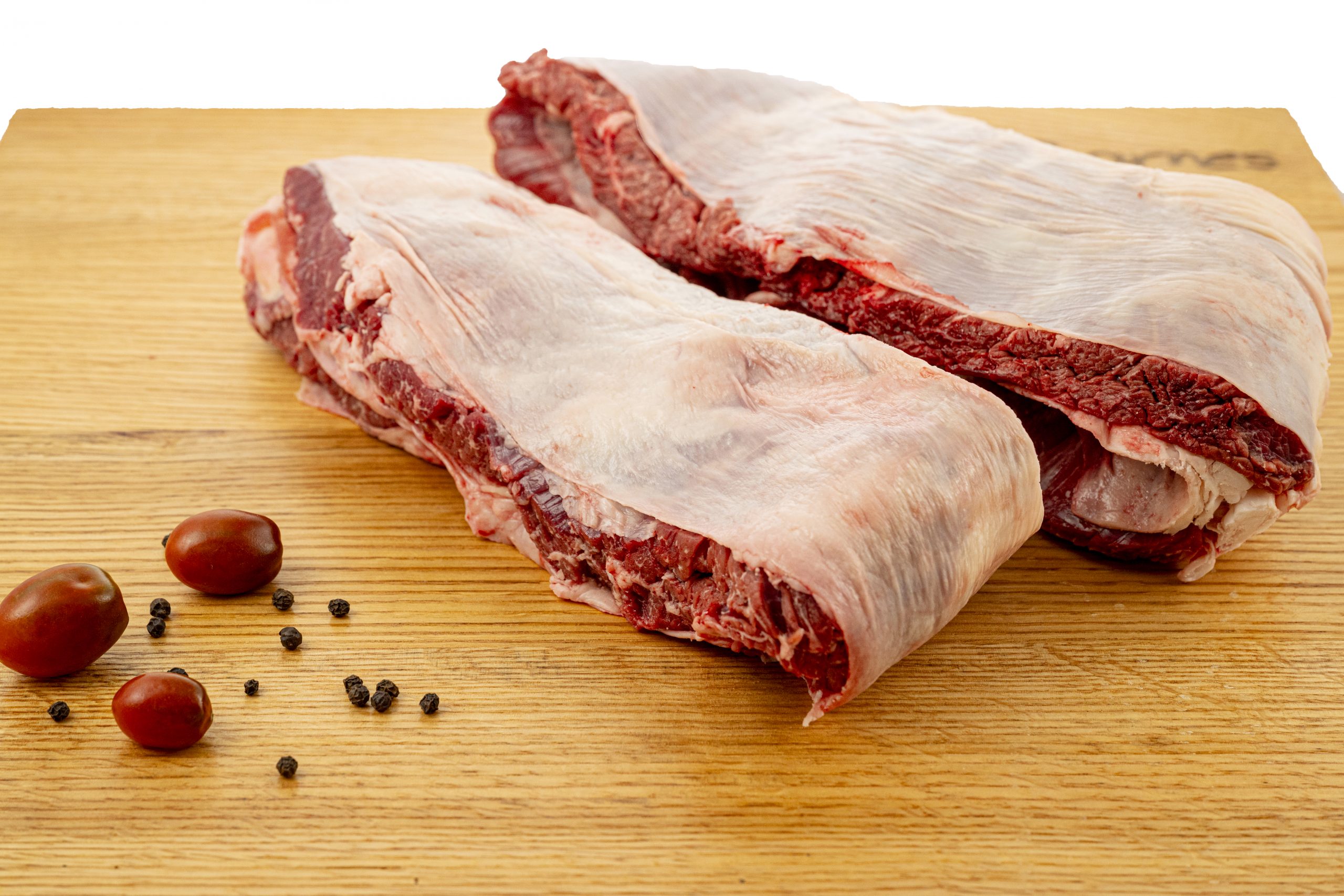
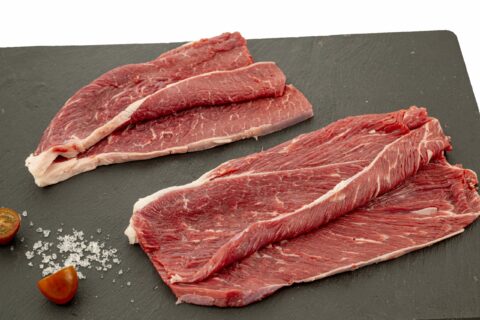
Entraña stands apart from many other steaks because of its shape, slightly darker colour and more intense beef flavour.
It comes from the inner rib area, and only a small number of these pieces are obtained from each animal, which helps explain why it has traditionally been less common than standard beef steaks.
It is especially popular for grilling, where a simple preparation allows the character of the cut to come through.
How to cook it
Entraña works particularly well on a barbecue, grill or very hot griddle.
Because it is a relatively thin cut, it is worth keeping a close eye on cooking time so it does not stay over the heat longer than necessary. After cooking, allow it to rest briefly and slice it across the grain for a more tender bite.
It needs very little else: salt, careful cooking and a simple side dish are enough.
About Tolecarnes
Tolecarnes is a family-run cattle farm based in Menasalbas, at the foot of the Montes de Toledo, with three generations of experience raising cattle.
Its calves are raised by the farm from birth and spend much of the year grazing freely on its dehesa in the Montes de Toledo. The wetter conditions on the northern side of the mountains provide natural pasture for a large part of the year, allowing the cattle to remain outdoors and active in an open environment.
During winter, when fresh pasture is less abundant, their diet is supplemented with forage collected during the more productive months and with feed produced by Cooperativa Valle de Mena, of which Tolecarnes is a member. This feed is made from plant-based ingredients, giving the farm greater control over the animals' diet.
Tolecarnes oversees the farming process from the birth of its calves through to the sale of the meat, maintaining a traditional approach to cattle farming closely connected to the Montes de Toledo.
Frequently asked questions
What part of the animal is entraña?
It is a cut taken from the inner rib area.
What does entraña taste like?
It has a more pronounced beef flavour than many standard steaks and a distinctive texture.
What is the best way to cook it?
It is particularly well suited to a barbecue, grill or very hot griddle.
How should it be sliced after cooking?
Slice it across the grain to shorten the muscle fibres and make it easier to chew.
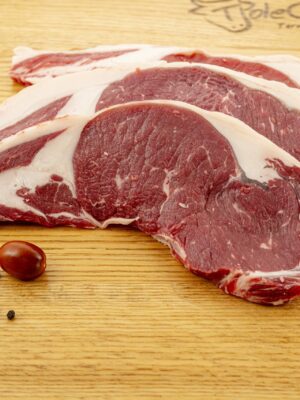 Low loin entrecot