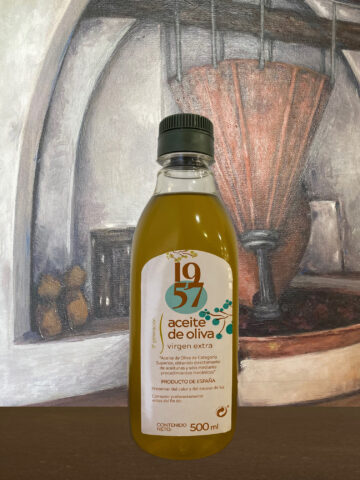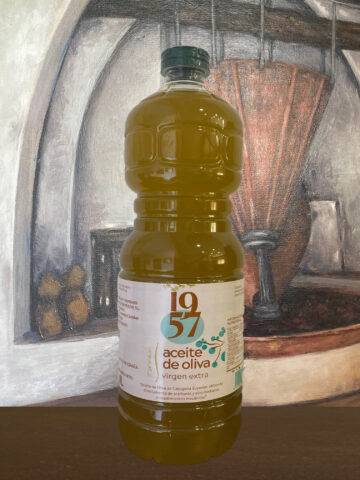

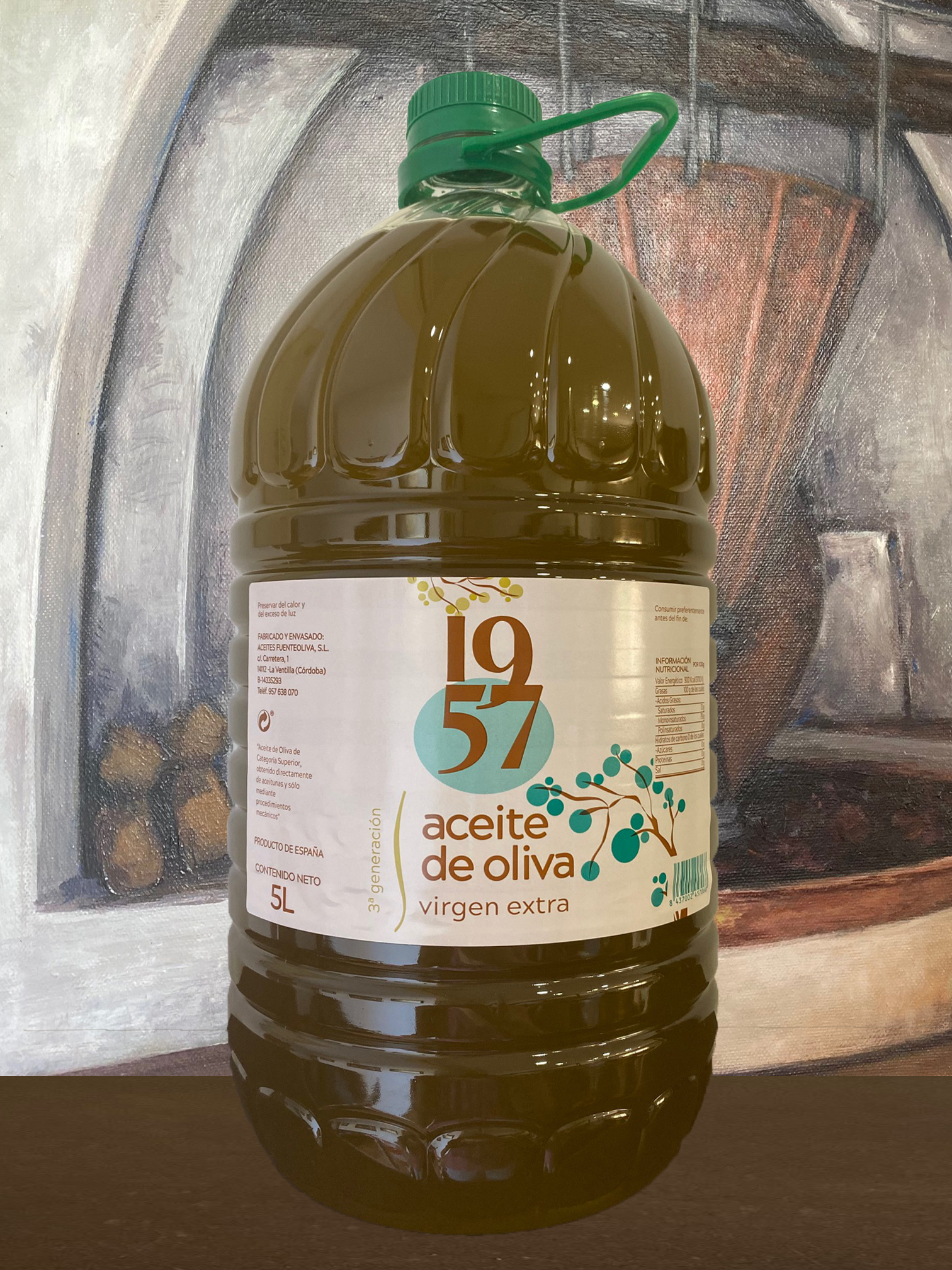
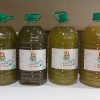


EVOO in a 5-litre container
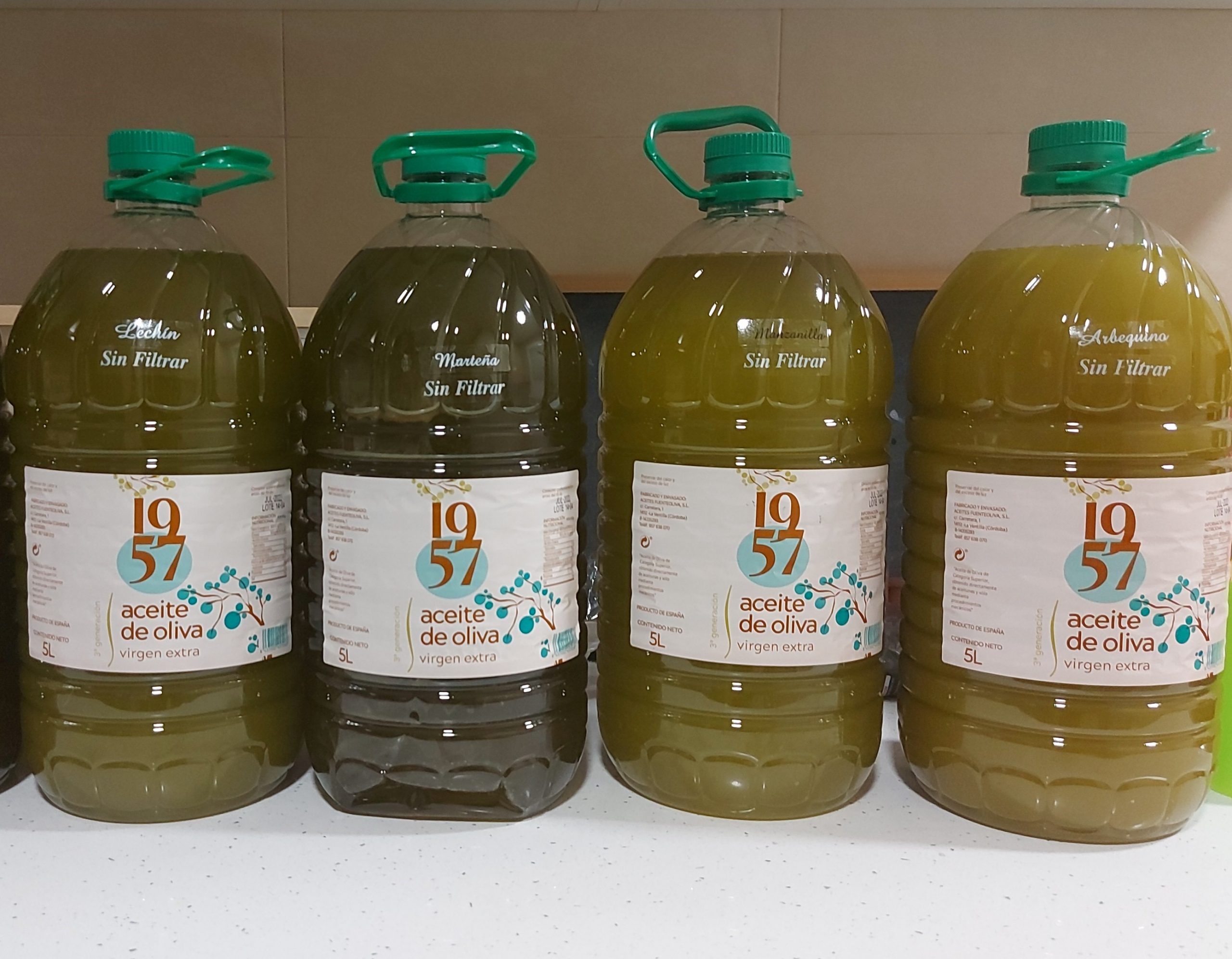
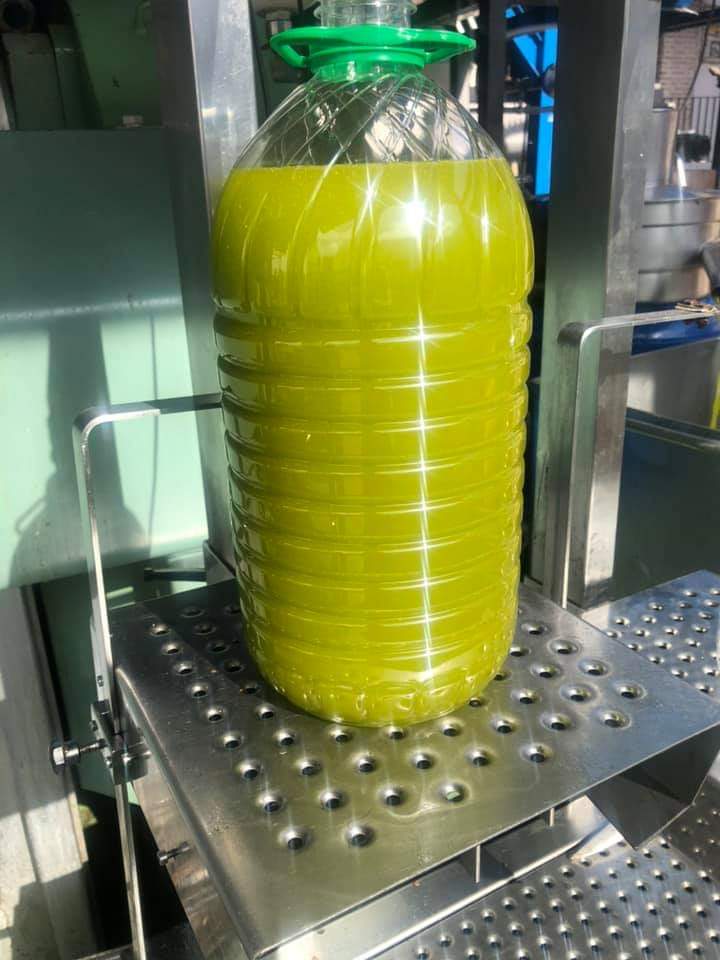
A practical format for households that use extra virgin olive oil regularly. This product is supplied in 5-litre PET containers and can be selected in different varieties and styles according to the options available on the product page.
Arbequina has a milder profile, while Marteña (Picual) and Lechín have a more intense character. Traditional filtered and unfiltered options are also available, together with combinations in certain formats.
How to use and store it
Use it raw on toast, salads and dressings, or for cooking, sauces, stews, vegetables and roasting. The 5-litre format is particularly practical when olive oil is used every day in the kitchen.
To keep it in good condition, store it tightly closed, protected from light and away from heat sources. Shipping is included.
About 1957
1957 is a family project connected to olive growing for three generations and based in La Ventilla, in the province of Córdoba. Since its beginnings, olive-oil production has been linked to a family tradition maintained for decades around the olive grove and the mill.
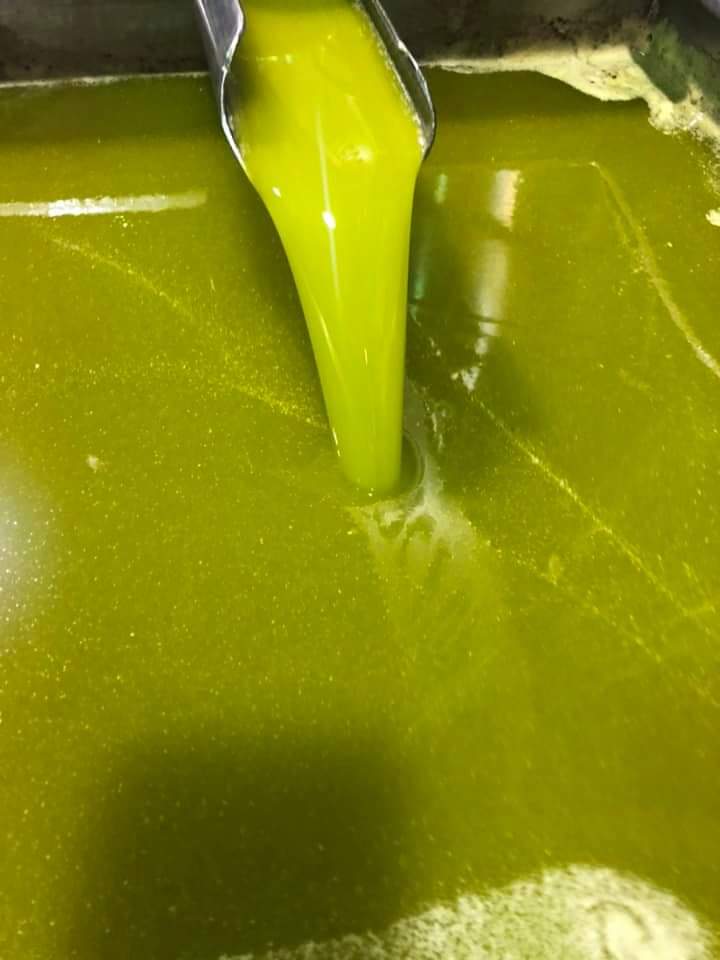
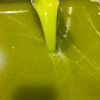
Its extra virgin olive oils are made from olives picked directly from the tree and selected at their optimum stage of ripeness. Once at the mill, the fruit is cleaned and milled, and the oil is obtained exclusively by mechanical means.
Production places particular care on the raw material and control of the process, with cold extraction to preserve the character, aromas and flavours of the olives. This approach combines experience accumulated since 1957 with close attention to every stage involved in obtaining the oil.
Frequently asked questions
What format does this product use?
It uses 5-litre PET containers. The purchase options on the product page may include one or several units depending on the available selection.
Which varieties can I choose?
Depending on availability, options include Arbequina, Marteña (Picual) and Lechín.
Are filtered and unfiltered oils available?
Yes. The product includes traditional filtered and unfiltered options depending on the available selection.
Is shipping included?
Yes, shipping is included for this product.