Moose is one of the great deer species of the Northern Hemisphere. Its meat appears in Nordic and North American stews, roasts and steaks. For a first-time buyer, however, the challenge is not finding the right spice but understanding the cut being offered and how the product has been handled.
There is a language trap worth resolving. Moose in North American English and elk in some European usage may refer to Alces alces, but American English also uses elk for wapiti, a different deer species. Imported recipes can be misleading if the animal is not identified by context.
What does moose meat taste like?
Moose is often described as a distinctively meaty red game meat. Some retail cuts can be relatively lean, but fat content and flavour intensity vary. The animal's diet, age, anatomical muscle, ageing and processing all matter. A heavily seasoned burger cannot tell you exactly how a natural loin cut will taste.
To experience the flavour fairly, use mild accompaniments such as mushrooms or root vegetables. Strong sauces can disguise differences between moose, other venison and beef. Try to compare similar cuts prepared in similar ways.
Steaks and stewing cubes are different cooking products
Loin and other less heavily worked muscles can provide tender steaks or medallions. More connective-tissue-rich muscles may appear as dedicated stewing cuts. Commercial naming varies by country, so check the supplier's actual description rather than relying on the animal's name alone.
A quick pan dish benefits from similar-sized pieces and careful heat control. A stew needs moisture and time to soften the appropriate cuts. Neither approach is automatically right for every piece of moose.
Moose stew with mushrooms and vegetables
For about four servings, prepare 800 g moose meat clearly sold for stewing, one large onion, two carrots, a leek, 200 g mushrooms, around 500 ml stock, olive oil, bay leaf and thyme. This simple base lets the meat remain the focus.
- Thaw and brown. If frozen, thaw under refrigeration. Pat the cubes dry and brown in batches in a roomy pot. Set aside on a clean plate.
- Build the vegetables. Soften onion, leek and carrot. Add mushrooms and allow some moisture to evaporate before adding stock.
- Return the meat. Add herbs and enough stock for moist cooking, then simmer gently with a lid. Keep an eye on the amount of liquid.
- Check tenderness and safety separately. Softening depends on the muscle, while a safe centre must be confirmed according to the identified product and appropriate game-meat guidance.
- Finish the sauce. Remove bay leaf, reduce slightly if needed and serve with potatoes. A little blended vegetable can thicken the sauce without changing its character.
This is deliberately not a recipe for a naturally tender filet. With a steak, match the method to thickness and use a thermometer; never assume one fixed minute-per-side formula fits every piece.
Provenance and safe handling
Check exact species, country of origin, traceability and whether the product comes from inspected authorised game supply. Frozen versus fresh status and proper storage information matter. A picture of snowy forest does not prove where the animal was harvested.
Buy from a controlled food chain, keep raw juices away from ready-to-eat foods and verify cooking. For venison, FoodSafety.gov offers 71°C (160°F) as general guidance; a specific moose product must still be evaluated using its labelling and relevant local recommendations.
Comparing moose with other deer
Moose, roe deer, fallow deer and red deer belong to the same broader family but are not the same animal. Even within a species, a highly worked muscle and a tenderloin can require completely different methods. Species, cut and preparation should always be considered separately.
See our roe deer, fallow deer and venison comparison for the names, or the game-meat ragout guide for slow cooking.
A worthwhile moose purchase provides an unambiguous species, a suitable cut and clear storage and cooking information. Those details matter more than an exotic-sounding label.
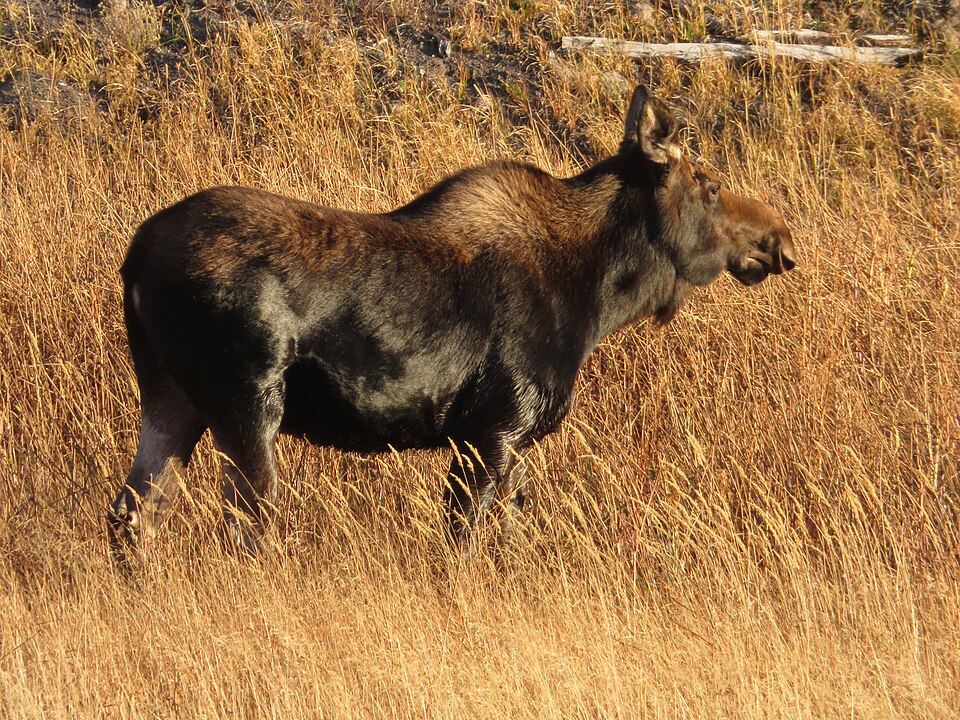
Wild moose photographed in Yellowstone; this does not indicate the source of any meat sold commercially. Photograph: Ken Lund / Wikimedia Commons. License CC BY-SA 2.0. Image resized for web display.
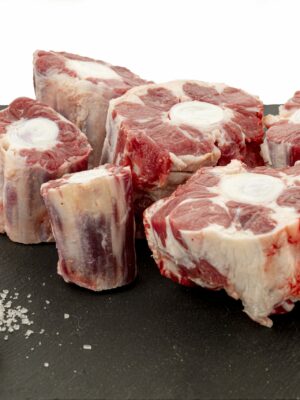 Oxtail
 .jpg)