Cooking meat substantially reduces microbiological risk, but it does not turn the finished dish into food that can sit in the refrigerator for a week without limits. After cooking, a new safety stage begins: cool promptly, refrigerate correctly, prevent recontamination and eat within a sensible period.
As a conservative household rule, we recommend planning to use most properly refrigerated cooked-meat leftovers within about three days. Spanish AESAN consumer guidance has used a three-day limit, while USDA-FSIS commonly gives 3–4 days at 40°F/4.4°C or below. If you want one simple household rule, three days gives a prudent margin.
Related guides: beef protein per 100 g and by servinghow long meat can stay out of the fridgehow long beef and burgers keep frozenshop meat
The clock starts again after cooking
Freshly cooked meat may be microbiologically controlled at that moment, but it is immediately exposed again to hands, utensils, air, containers and surfaces. Some organisms or spores can also survive certain heat treatments and later grow if cooling is too slow.
Safe storage therefore depends on more than simply “putting it in the fridge”. Cooling speed, actual refrigerator temperature and container hygiene all matter.
How long can cooked meat remain out before refrigeration?
Do not leave leftovers on the counter for hours waiting for them to become completely cold. A common household recommendation is to refrigerate perishable foods and leftovers within two hours of preparation or serving; in very hot conditions the margin should be shorter.
The aim is to move food through temperatures that favour rapid bacterial growth as efficiently as possible. A huge, steaming dish can cool too slowly in its centre and may temporarily warm nearby foods in the refrigerator. The answer is not leaving it outside all afternoon; it is dividing it into smaller portions.
Use shallow containers and sensible portions
A large roast or deep stew holds heat in its centre for a long time. Divide food into clean, shallow containers so cold air can remove heat more efficiently. The next day's portions are then ready at the same time.
If culinary quality permits, divide a large piece of meat into smaller portions. Handle it only as much as needed and use clean utensils and covered containers.
Refrigerator temperature matters
A refrigerator that merely “feels cold” is not a measurement. Keeping leftovers around 4°C or below gives a useful safety margin. Current Spanish public-health messaging also advises keeping the domestic refrigerator at 5°C or below.
A simple refrigerator thermometer is useful. Door shelves experience frequent temperature changes and are generally not the best place for cooked meat that will be stored for several days.
Three days or four?
Different authorities do not always express the same margin. USDA-FSIS lists 3–4 days for properly refrigerated cooked meat, poultry and seafood. AESAN educational material has advised that refrigerated cooked foods should not remain in the fridge for more than three days.
There is little practical conflict if you take the conservative route: plan to eat the meat by the end of day three. If you already know you will not, freeze it early instead of waiting until it reaches the limit.
Meat in sauce does not automatically last longer
A stew covered in sauce may look protected, but it remains a perishable cooked food. The sauce contains water and nutrients and also needs safe, rapid cooling. A juicy appearance is not a reason to extend refrigerator storage.
Conversely, a very dry preparation can lose eating quality before it shows obvious spoilage. Safety and sensory quality are not exactly the same thing.
What about burgers, steaks and roasts?
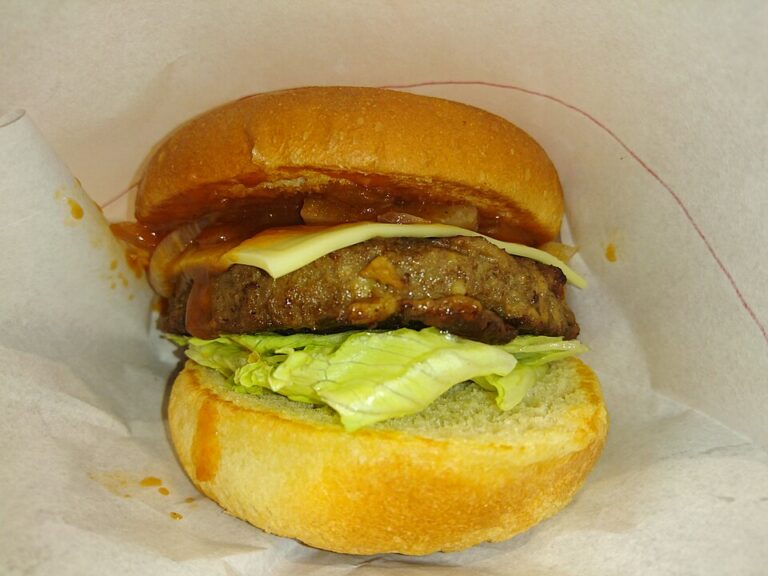
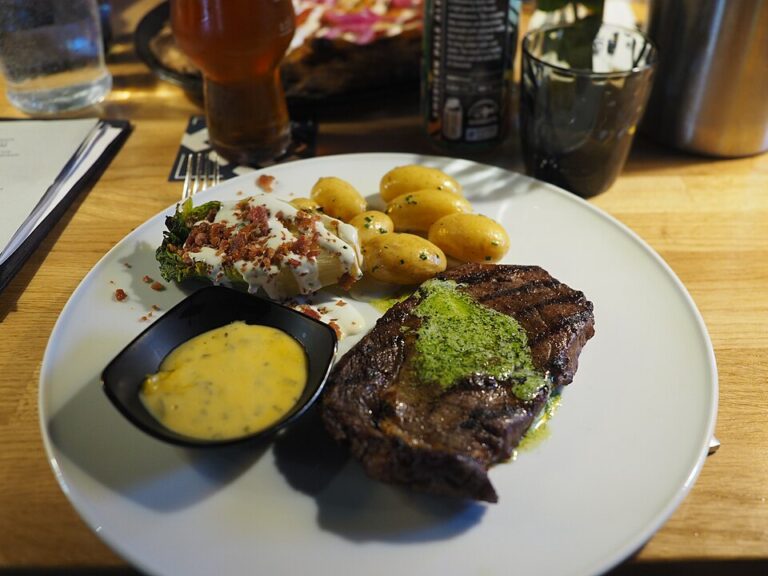
A cooked burger, leftover steak, sliced roast or meat stew should all be treated as perishable leftovers. Their shape affects cooling and reheating, but none should be kept indefinitely.
Small pieces cool faster. Deep stews and large roasts need more attention to portion size and container depth.
Can you rely on smell?
Not as your only test. Spoiled food can develop unpleasant odours, but the absence of a bad smell does not prove that food is safe. Some disease-causing organisms do not produce obvious sensory changes.
Your first evidence should be the history: when was it cooked, how long was it left out, how cold was it stored and was it protected from contamination? If you cannot remember when it was cooked, that uncertainty matters.
Do not “taste a little” to check
A bite or spoonful is not a safety test. If time or temperature history gives you a genuine reason to doubt the food, tasting cannot resolve that doubt. When the history is uncertain, saving one portion is not worth taking an avoidable risk.
How to reheat safely
Reheating does not reset the storage clock. A two- or three-day-old leftover does not become freshly cooked again simply because it returns to the pan.
Heat leftovers evenly. AESAN technical guidance for prepared foods uses at least 74°C at the centre for 15 seconds, or an equivalent treatment, as a reheating reference. When using a microwave, stir or rotate the food as needed to avoid cold spots.
Reheat the portion you intend to eat rather than repeatedly warming and cooling the whole container.
When should cooked meat be frozen?
If you know the meat will not be eaten within the next few days, freeze it early while it is still in good condition. A freezer does not rescue leftovers that have already spent too long in the refrigerator.
Divide into portions, use freezer-safe packaging and label the date. Freezing stops microbial growth while the food stays frozen, although eating quality can decline over time through dehydration and oxidation.
Thawing cooked meat
The refrigerator is the most controlled thawing method. Rapid methods such as a microwave can also be suitable for immediate consumption when followed by prompt reheating and eating.
Do not leave a container of cooked meat thawing for hours on the counter. The exterior can enter growth-friendly temperatures long before the centre has thawed.
Use clean, closed, dated containers
Leaving leftovers uncovered on a plate increases contamination and drying. Use clean containers with lids. In a household that cooks frequently, adding the preparation date removes a surprising amount of uncertainty.
“I will remember” becomes unreliable after several meals. A ten-second label is better than sniffing three containers and trying to guess which one came from Tuesday.
Where to place it in the refrigerator
Keep cooked meat away from raw products and any possible drips from them. Raw meat should be contained so its juices cannot reach ready-to-eat foods.
Fridge organisation is part of food safety: raw and cooked products should not cross paths after you have already cooked the food correctly.
Vulnerable people should be more conservative
Pregnant people, older adults, young children and immunocompromised people can suffer more serious consequences from some foodborne infections. There is even less reason in these groups to stretch storage limits or eat leftovers with an unclear history.
A simple mental checklist
- Refrigerate promptly: ideally within two hours.
- Keep the fridge cold: around 4°C; no more than 5°C as a general domestic reference.
- Practical storage window: aim for about three days; some international guidance allows 3–4 days.
- If you will not get to it: freeze it earlier rather than later.
- If the history is uncertain: do not taste it as a test.
Frequently asked questions
Can I eat five-day-old cooked meat if it smells fine?
We do not recommend making that decision from smell. Five days is beyond the prudent domestic window for most cooked-meat leftovers.
Does home vacuum packing automatically extend the time?
Do not assume so. A domestic vacuum system is not a validated commercial preservation process and does not automatically override normal leftover safety guidance.
Can I freeze cooked meat on day three?
It is better to freeze earlier if you already know you will not eat it. Do not use freezing as a way to extend leftovers that are already questionable.
Will reheating kill anything that grew during bad storage?
Reheating is not a reliable correction for unsafe storage. Some hazards can persist and some toxins are not solved simply by heating again. Prevention begins with correct cooling and refrigeration.
-
Sale!
 Select options
This product has multiple variants. The options may be chosen on the product page
Select options
This product has multiple variants. The options may be chosen on the product page