Seasonality calendars are excellent tools, but they become less useful when treated as rigid tables in which a vegetable begins on the first day of one month and ends on the last day of another. Spain contains very different climates, altitudes and growing regions. Early and late cultivars, protected growing, unusually warm or cold years and agronomic techniques all shift harvest dates.
The most useful way to understand seasonality is as a production window that is particularly coherent for a crop in a given area, rather than an exact border. That approach helps us buy better without turning a calendar into a rulebook.
What does “in season” actually mean?
A vegetable is in season when the conditions at that time normally suit its production cycle in a particular area. This often means greater availability and, in many cases, produce from recent harvests. But seasonality on its own does not guarantee flavour, freshness or quality.
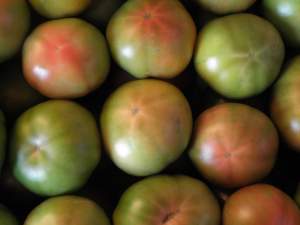
A tomato harvested too early can be disappointing in the middle of summer. A well-grown cabbage can be excellent near the edge of a simplified calendar window. Seasonality is an important clue; the actual condition of the produce remains decisive.
Spain does not have one single season
The difference between a coastal market garden, a high inland area and a mild-climate region can be considerable. The same cultivar may move several weeks earlier or later. Even within one district, orientation, soil and the weather of a particular year change harvest timing.
Producer information is therefore especially valuable. Knowing where a crop is grown, which cultivar is offered and where the farm is in its harvest cycle gives much more precise context than a national calendar alone.
Recognising freshness without oversimplifying
Different vegetables need different criteria. Leafy produce such as lettuce, chard or spinach should generally feel turgid and show no extensive wilting or sliminess. Peppers and aubergines should normally have firm, well-attached skin. Courgettes and cucumbers should feel consistent; roots should not show serious softening or decay.
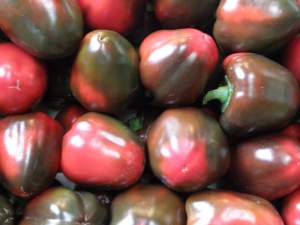
Colour can help, but only within the correct cultivar. A purple tomato should not be judged by the same colour standard as a red one; peppers can be green, yellow or red depending on cultivar and ripeness. “Bright colour” is not a universal rule.
Cosmetic imperfections should also be separated from deterioration. A twisted carrot or irregular tomato can be perfectly good. Deep bruising, rot, mould or watery tissue is a different matter.
Seasonal, local and open-field are different concepts
These ideas are often used as though they were interchangeable. They are not. A vegetable can be in its natural season and still travel a considerable distance. Another can be produced very locally under protected growing conditions. Local produce can also have been stored, while produce from another region may have been harvested very recently.
If origin matters, read the origin. If the growing method matters, look for that specific information. “Seasonal” does not allow either fact to be assumed automatically.
A practical guide through the year
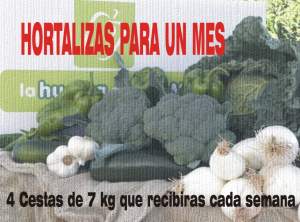
Winter commonly favours many leafy vegetables, brassicas and roots: chard, spinach, leeks, cauliflower, broccoli, cabbage, turnips and some carrots, with strong regional variation. They naturally suit soups, purées, roasting and stews.
Spring is a transition. Peas, broad beans and asparagus gain prominence while some winter vegetables continue and crops associated with milder temperatures begin to appear. It is a particularly interesting time to watch a market garden change from week to week.
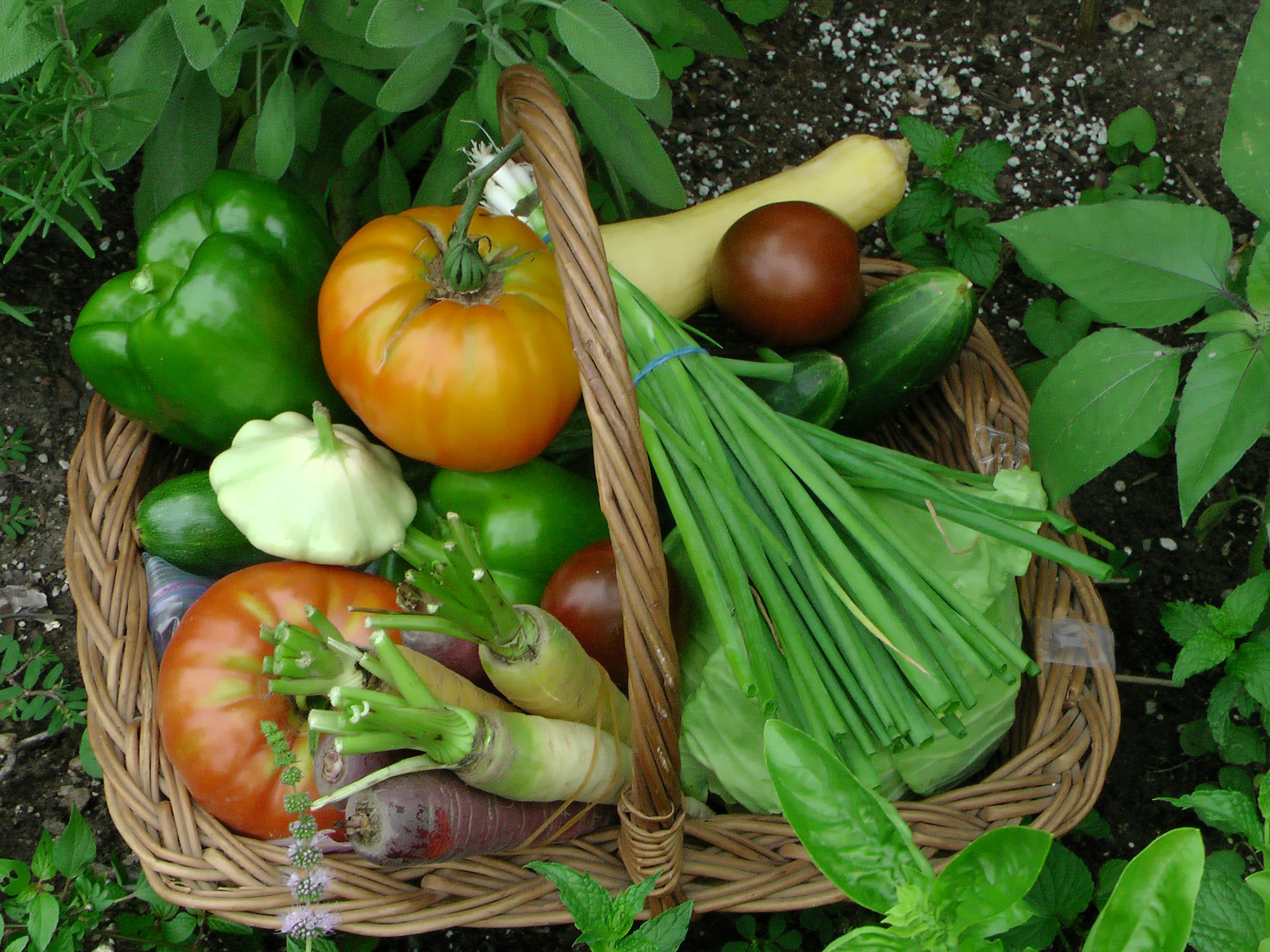
Summer concentrates the familiar season for tomatoes, peppers, aubergines, cucumbers and courgettes in many areas. These vegetables build salads, gazpacho-style soups, stews such as pisto, grills and preserves.
Autumn is another transition: the last summer crops overlap with squashes, leeks, leafy vegetables and roots. Exact availability depends heavily on region and the year’s weather.
Planning the basket to reduce waste
Buying “seasonally” loses much of its value if half the basket deteriorates. Separate immediate-use produce from vegetables that store well. Tender leaves, herbs and delicate fruits belong in the first meals of the week. Onions, potatoes, garlic and some squashes allow longer planning when stored correctly.
A useful routine is to decide three or four meals first and build the basket around them. Add versatile ingredients afterwards. This prevents buying a large variety on impulse and discovering that everything needs to be eaten at once.
The producer’s real offer is the best live calendar
Spain’s Ministry of Agriculture seasonality calendars are useful general references, but when buying from a specific grower there is an even more direct source: what that grower is actually harvesting and offering. A genuinely seasonal market garden effectively creates a living calendar through its current catalogue.
Explore our vegetable selection and pay attention to producer, cultivar and current availability. The point of understanding seasonality is not to memorise months; it is to learn to read produce better.
Related products
- EMDO Selection

General reference: seasonal vegetable calendars published by Spain’s Ministry of Agriculture, Fisheries and Food.