The words Black Angus may suggest an exceptional ribeye, but a pan does not cook a marketing term. It cooks a piece of beef with a particular thickness, fat distribution and starting temperature. Two steaks from Angus cattle can behave very differently. The actual cut, feeding, ageing and storage matter, along with what happens in your kitchen.
This guide aims for a well-browned surface and a safely cooked centre without relying on contradictory timing tricks or hiding the meat under a powerful sauce.
Choose the steak, not merely the breed name
Check the net weight and thickness first. A thin ribeye gives you little leeway when balancing browning against interior heating; a very thick steak requires careful control of both. Visible marbling can contribute flavour and juiciness, but a uniform marbling grade is not guaranteed by the words Black Angus.
Look for origin, fresh or frozen status, use-by date, any stated ageing period and realistic serving size. A clear product description is more useful than adjectives such as premium or superior. Bone-in steaks also require attention to how the thermometer is placed and how the stated package weight relates to edible meat.
Ingredients and equipment for two
Choose two ribeyes of approximately 220–300 g each, or a larger steak to share. You will need a little cooking oil, salt, pepper and around 250 g mushrooms or vegetables. Thyme and garlic are optional, best added late so that they do not burn.
A heavy pan, clean tongs, a quick-reading food thermometer and a clean resting plate are the important tools. Have the side dishes under control before cooking the steak.
From refrigerator to browned ribeye
- Thaw safely if required. Thaw in the refrigerator according to the packaging and catch raw juices. Leaving raw meat on the countertop for hours is not a prerequisite for a good sear.
- Prepare the side dish. Sauté mushrooms or roast vegetables first so the steak can be served when it is ready.
- Dry the surface. Surface moisture can delay browning. Pat the steak dry with kitchen paper and discard it. Do not wash raw beef under running water or reuse its raw-meat board for serving.
- Heat a suitable pan. Add a modest amount of oil. Cook one steak at a time if necessary; overcrowding makes temperature control harder. Heavy smoke is not required.
- Brown both sides. Allow colour to develop before turning with clean tongs. Reduce the heat if the surface starts burning before the centre is properly heated. Add garlic or herbs late, if at all.
- Check the thickest part. Place the probe away from bone and large fat pockets. Neither red juices nor a browned crust is an adequate safety test.
- Rest and serve. Transfer to a clean plate, observe the required resting period and slice across the grain where appropriate for the cut.
Safe temperatures: steak and burger are not interchangeable
For intact beef steaks such as ribeye, the USDA safe-temperature chart recommends 63°C (145°F) minimum, followed by a rest of at least three minutes. Measure the actual interior with a food thermometer. Higher temperatures are a matter of preference, but appearance cannot replace the safety check.
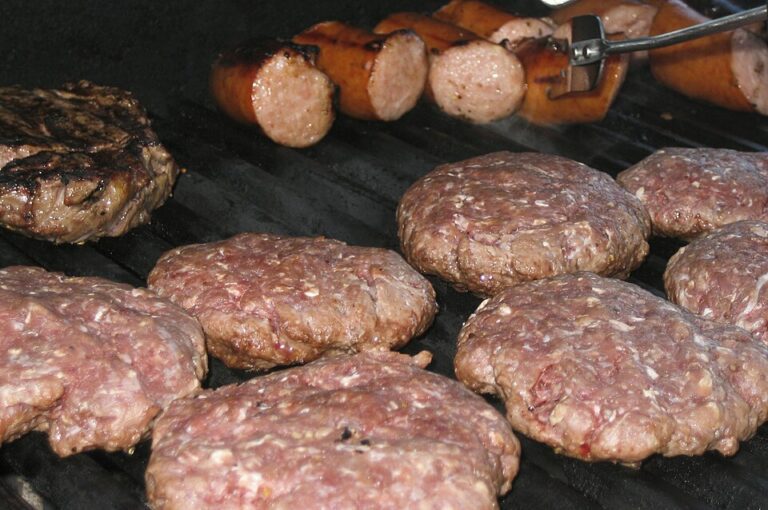
Ground beef burgers are different: the USDA recommends 71°C (160°F), because grinding can distribute surface microorganisms throughout the mixture. That distinction applies even when steak and burger come from the same cattle breed. Always follow the packaging for processed or mixed products.
How many minutes per side?
There is no honest universal answer. Thickness, pan material, heat, initial temperature and bone all affect how quickly the centre heats. Two steaks of the same weight can have different shapes. Time is useful for planning, but the thermometer should tell you when the cooking is complete.
If the outside is scorching while the middle remains under the required temperature, reduce heat and continue more gently. If the pan fills with moisture, pay attention to surface dryness and crowding instead of simply adding more oil.
Black Angus or Wagyu for pan cooking?
Neither breed name is itself a universal quality grade. Marbling, production method, actual cut and grading system make a difference. A well-selected Angus ribeye can be excellent; a highly marbled Wagyu can provide a different texture. Compare documented pieces rather than labels alone.
For a broader explanation, read our Wagyu versus Angus comparison, or the guide to choosing Wagyu cuts. A good ribeye does not need mystique: understand the cut, control the pan and let the meat speak for itself.
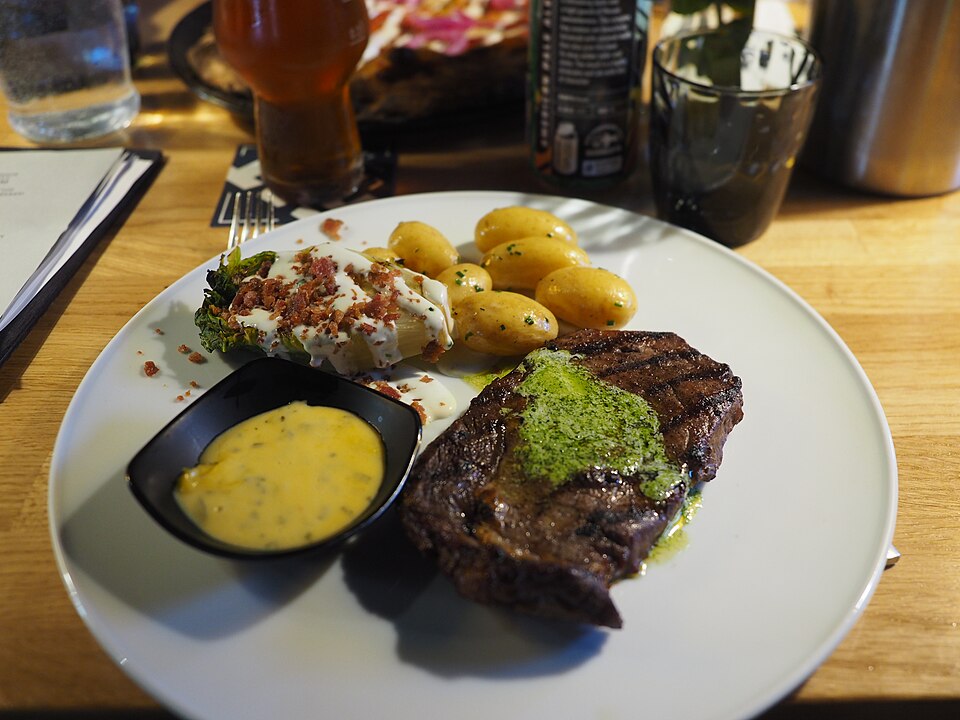
Restaurant Black Angus ribeye cooked over charcoal; illustrative only, not the pan-seared recipe presented here. Photograph: JIP / Wikimedia Commons. License CC BY-SA 4.0. Image resized for web display.

 Oxtail