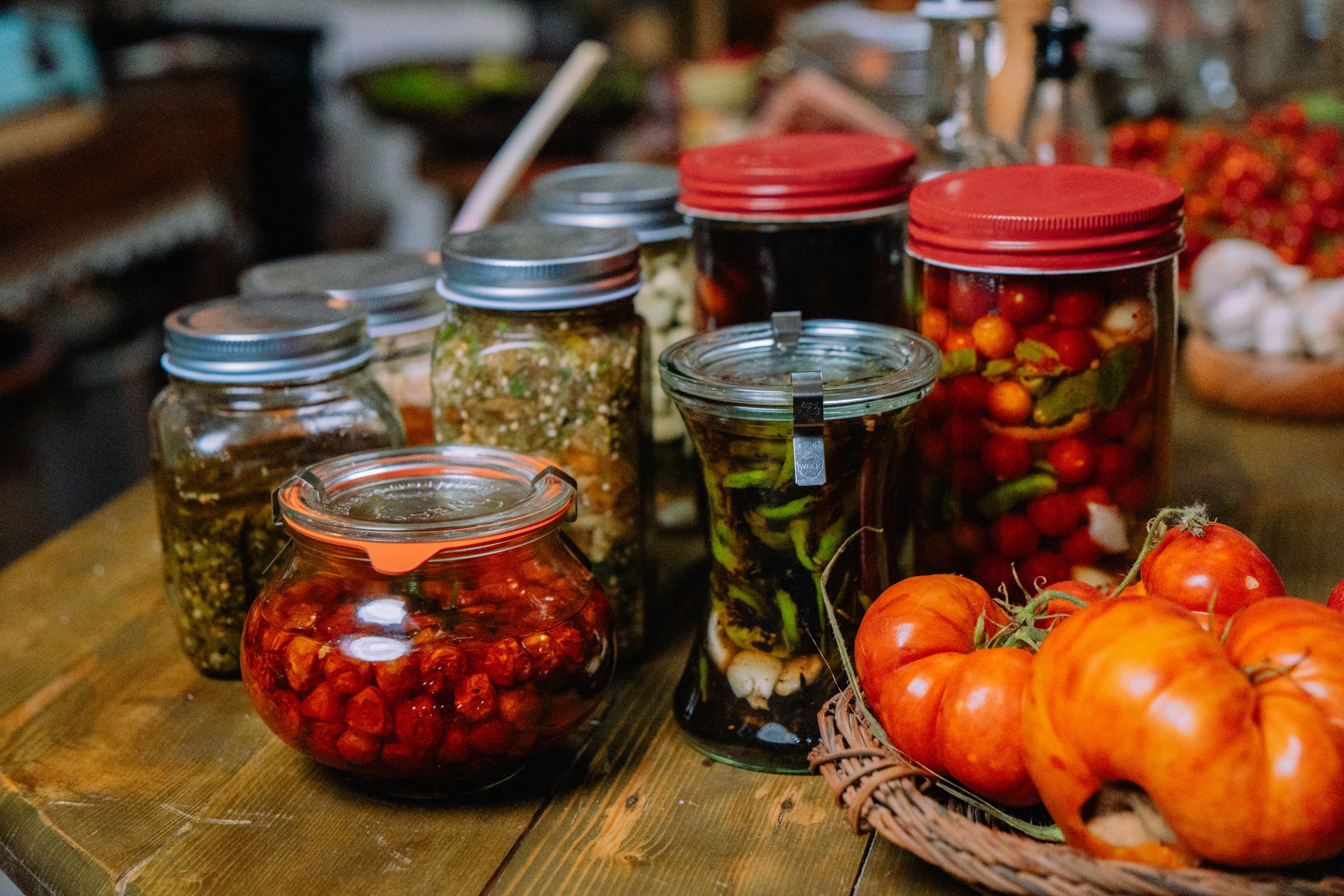
Vegetable preserves have one enormous advantage: they make good ingredients available for months without depending on seasonality or lengthy preparation. But because the container hides much of the food, it is worth learning to read what the label tells you. Objective information usually says more than words such as “premium”, “gourmet” or “artisan”.
Choosing a good preserve means combining raw-material quality, recipe, actual vegetable content, preservation method and package condition. Some information is legally required; other details are voluntary but can help distinguish otherwise similar products.
Start with the name of the food
The front of the jar may carry a creative product name, but the legal or descriptive name should make clear what you are buying. Roasted peppers are not the same product as a vegetable preparation containing peppers, and vegetables packed in water differ from those in oil, vinegar or sauce.
Reading the actual food name before marketing claims prevents you from comparing products that are fundamentally different recipes.
The ingredient list tells you more than you think
Under EU food-information rules, ingredients are generally listed in descending order by weight. That makes it possible to understand the recipe quickly. A simple vegetable preserve may contain the vegetable, water, salt and an acidifying ingredient; other products may include oil, sugar, spices, garlic, vinegar or a prepared sauce.
A short list is not automatically superior, and a longer one is not automatically poor. What matters is whether the ingredients make sense for your intended use. If you want neutral peppers for cooking, a simple recipe may be ideal. If you want a ready-to-serve appetiser, seasoning and sauce may be part of the value.
Net weight and drained weight are not the same
Many preserves include a packing liquid in the total net weight. Where solid food is presented in a liquid medium, the label may also give a drained net weight. This is extremely helpful when comparing jars of similar overall size.
Two 500 g jars can contain different amounts of vegetables if one includes much more liquid. For recipes where the liquid will be discarded, drained weight is much closer to the amount that actually reaches the plate.
Packing liquid is not merely filler
Water, brine, oil, vinegar and sauces influence flavour, texture and culinary use. A natural brine gives you more freedom to season later. Oil-packed vegetables may be almost ready to serve. Pickling liquid adds acidity and spices that shape the final dish.
Before discarding or using the liquid, consider the recipe. In some products it is a useful ingredient; in others draining is the better choice.
“Artisan” is not a substitute for objective information
Words such as artisan, traditional and homemade-style can describe positioning or certain production choices, but they should never stop you checking concrete information. Quality depends on the raw ingredient, sorting, recipe, thermal process, process control and storage — not one large word on the front label.
When a producer explains provenance, cultivar, processing or harvest, that context can be valuable. It should still be considered alongside the food name, ingredient list and storage instructions.
Best-before and use-by dates mean different things
Spain’s food-safety authority AESAN explains that a best-before date indicates how long food retains its specific properties when stored correctly. After that date, an intact product may lose texture, aroma or quality without automatically becoming unsafe, provided storage instructions were followed and the package remains undamaged.
A use-by date is different and is used for microbiologically highly perishable foods where safety is the central issue. Many shelf-stable preserves carry a best-before date rather than a use-by date.
The batch number matters for traceability
A batch code may seem irrelevant when shopping, but it is fundamental for traceability. It identifies a specific production run and allows targeted action if a problem or food alert occurs. AESAN routinely uses batch and date information when defining affected products.
You do not choose a jar because of its batch number, but clear, readable mandatory information is part of a professionally presented product.
Always inspect the package
A glass jar should be intact, with no cracks, leaks or lifted lid. A can should not be bulging, leaking or badly corroded. If the closure has lost vacuum, liquid is escaping or the package is seriously distorted, the sensible decision is not to eat the product.
At home, store unopened preserves according to the producer’s instructions, usually in a cool, dry place for shelf-stable products. Once opened, the rules change: many must be refrigerated and eaten within the period stated on the label.
Origin: when it adds useful context
Origin labelling does not apply identically to every product and circumstance, but when a producer clearly states where vegetables were grown or processed, that can matter to customers looking for a specific region. Distinguish between the origin of the raw vegetable and the place of processing; they are not necessarily the same.
In a producer marketplace, this transparency is especially useful because customers can understand who made the product and where it fits into the wider food chain.
Texture is the quality factor a label cannot fully describe
A good vegetable preserve should retain a texture appropriate to the recipe. Asparagus, peppers and artichokes cannot be judged by exactly the same standard. The thermal treatment needed for safety and shelf stability changes plant structure, and an experienced producer aims to balance safety, stability and pleasant texture.
This is where familiarity with the producer and customer reviews can complement objective label information.
How to compare two preserves quickly
Use a five-step check: food name, ingredients, drained weight, producer/origin and storage instructions. Only then compare price on an equivalent basis. A jar may cost more yet contain substantially more drained vegetables or a differentiated raw ingredient, making simple price-per-container comparisons misleading.
Also think about intended use. For a cooked sauce you may prioritise quantity and neutrality. For a ready-to-serve appetiser, texture, seasoning and presentation may matter more.
A strong pantry combines fresh and preserved vegetables
Preserves do not replace fresh vegetables; they perform another role. They make meals faster, provide products outside their fresh season and reduce preparation. Combined with pulses, EVOO, meat and fresh produce, they dramatically expand what you can cook from the pantry.
That is why they deserve the same purchasing discipline as any other ingredient: understand what you are buying and what you want it to do.
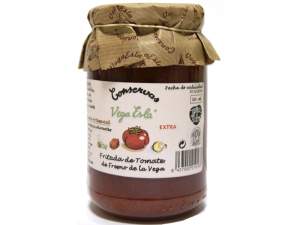
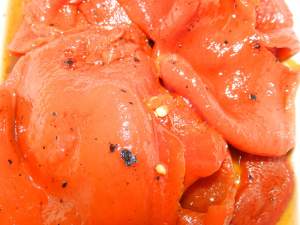
Related preserves

Sources
AESAN — best-before and use-by dates · Regulation (EU) No 1169/2011 on food information.
