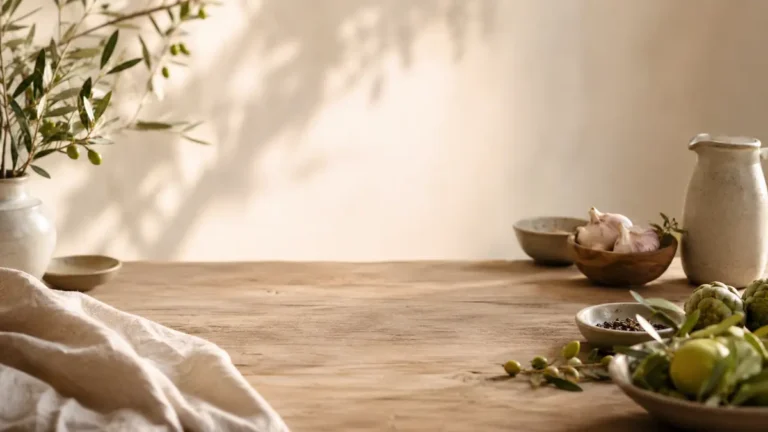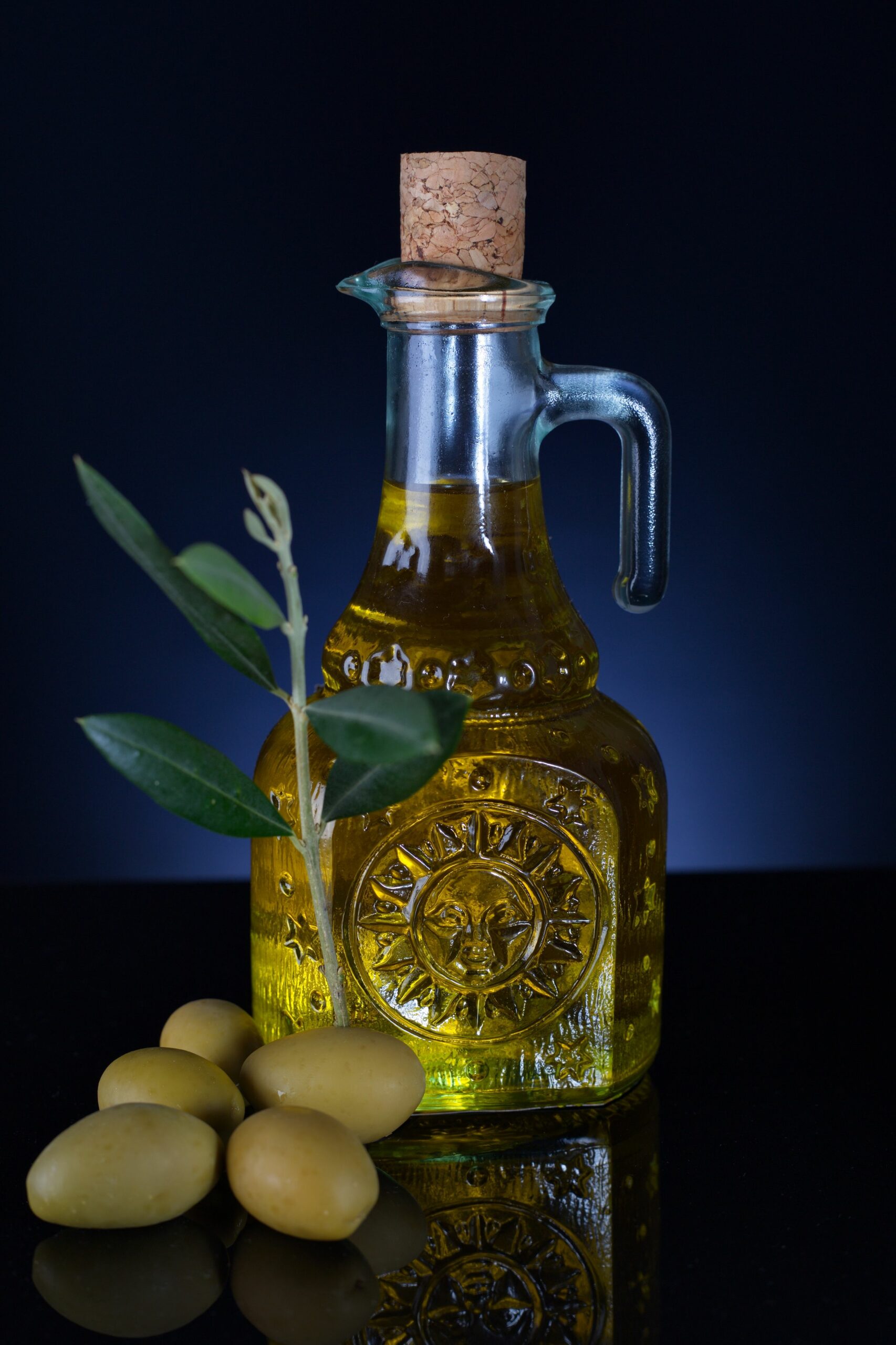
Learning to taste extra virgin olive oil changes the way you buy it and the way you use it. Once an oil is no longer described simply as “mild” or “strong”, you can begin to separate fruitiness, bitterness, pungency, intensity, persistence and balance. Those distinctions make it easier to compare oils intelligently and to understand why one works beautifully with tomato, another stands up to grilled beef and another integrates more gently into mayonnaise or baking.
Professional sensory analysis is standardised and carried out under controlled conditions. At home there is no need to reproduce a laboratory, but it is useful to copy the logic of the method: minimise distractions, smell before tasting, then distinguish what happens in the nose from what appears in the mouth and throat. The purpose is not to award a score. It is to train attention.
What are we actually looking for when we taste olive oil?
The first major positive attribute in virgin olive oil is fruitiness: the set of olfactory sensations associated with sound, fresh olives. Depending on olive variety, harvest timing and processing, an oil may suggest freshly cut grass, leaf, tomato, almond, apple, banana, artichoke or other vegetal and fruity notes. Oils are not supposed to smell identical. Their diversity is one of the main reasons comparative tasting is useful.
Two other positive attributes can surprise beginners: bitterness and pungency. Bitterness is mainly perceived in the mouth. Pungency is a tactile sensation that often appears later, especially in the throat. Within the official sensory vocabulary for virgin olive oil, both can be positive characteristics of a clean, balanced oil. An oil is therefore not defective merely because it produces a peppery sensation, and a very gentle oil is not automatically better.
The vessel matters more than you might expect
The International Olive Council uses a standard tasting glass designed to concentrate aromas. Professional glasses are dark because colour is not used as a quality criterion in official tasting; hiding it helps prevent visual expectations from influencing the assessor. At home, a small clean glass is enough. Cover it with a lid, saucer or the palm of your hand for a short time so the volatile aromas collect inside.
You only need a small quantity. If comparing several oils, use separate identical glasses rather than rinsing and reusing one glass, as traces of the previous sample can alter the next.
Temperature: why very cold oil reveals less aroma
In professional assessment, samples are kept at approximately 28 °C, with a tolerance of ±2 °C. The purpose is practical: at lower temperatures aromatic compounds volatilise less readily, while excessive heating can distort the sample. At home, simply cradle the covered glass in your hands for half a minute and rotate it gently. There is no need to microwave or actively heat the oil.
Avoid perfume, scented candles, coffee, smoke and strongly aromatic food during the tasting. Our sense of smell adapts quickly, and competing aromas make subtle differences much harder to detect.
Stage one: smell before you taste
Swirl the covered glass gently, uncover it and smell. Instead of immediately trying to name ten aromas, begin with easier questions: is the aroma delicate, medium or intense? Does it suggest greener fruit or riper fruit? Once you have established that, look for specific associations.
Describe what you genuinely recognise. If you perceive tomato leaf, grass, almond or apple, note it. If all you can confidently say is “fresh and vegetal”, that is still useful. Sensory vocabulary becomes more precise through repeated comparisons, not through forcing yourself to find descriptors that are not really there.
Stage two: a small sip and attention across the whole mouth
Take a small sip and distribute it slowly through the mouth. Official methodology emphasises broad contact because different sensations emerge at different moments. Drawing a little air through the lips can help volatile compounds travel retronasally towards the nose and reveal aromas that were less obvious during the first sniff.
Notice the oil's entry, texture, bitterness and flavour development. Swallow a small amount and wait. Pungency often arrives slightly later in the throat. Finally, pay attention to persistence: how long do the aromatic sensations remain once the oil has gone?
Intensity is not the same as balance
A common mistake is to treat intensity and imbalance as the same thing. An EVOO can be intensely fruity, clearly bitter and peppery yet still feel harmonious because those attributes are proportionate. Another can be delicate, with very mild bitterness and pungency, and also be well balanced. Intensity is a style characteristic, not a simple quality ranking.
This matters when comparing Arbequina and Picual. Arbequina commonly leans towards gentler, fruitier profiles, while Picual often offers greater bitterness, pungency and persistence. Lechín brings another personality again. Harvest, terroir and milling decisions can shift these tendencies considerably, so variety is a useful clue rather than a promise that every oil will taste the same.
A simple three-oil tasting exercise
One of the best ways to learn is to taste three samples blind. Number the glasses and ask somebody else to pour the oils. For each sample, write down five things: aroma intensity, main aromatic associations, bitterness, pungency and persistence. Reveal the bottles only after you have finished.
This removes much of the expectation created by labels and price. It also demonstrates an important culinary point: the oil you prefer on its own is not necessarily the best oil for every dish. An assertive oil may be excellent on toast, tomato or grilled meat but too dominant for a delicate preparation. A softer oil may integrate more discreetly.
What should not be used as a shortcut for judging quality?
Colour is the clearest example. A vividly green oil may look attractive, but colour depends on pigments and several production factors and is not, by itself, a category indicator. Pungency should not be converted into a simplistic quality scale either. What matters is the complete sensory picture: clean aroma, fruitiness, absence of sensory defects and a coherent relationship among the different attributes.
A home tasting also cannot legally certify an oil as extra virgin. Regulatory classification combines chemical requirements and sensory assessment under established methods. Home tasting is valuable because it helps you understand style and buy more intelligently, not because it replaces an official panel.
From glass to plate: where tasting becomes genuinely useful
After tasting the oils neat, test them on neutral foods and then on real dishes. Bread, boiled potato or tomato are useful first steps. Move on to salads, roast vegetables, pulses, fish or beef. An intensity that seems powerful in the glass can become perfectly balanced once it meets a food with enough structure.
This is the practical benefit of sensory awareness. Instead of buying one “all-purpose” oil by habit, you begin to choose oil in the same way you might choose a spice, vinegar or wine. You do not need a cupboard full of bottles. Two clearly different profiles are enough to learn a great deal.
Extra virgin olive oils to compare at home
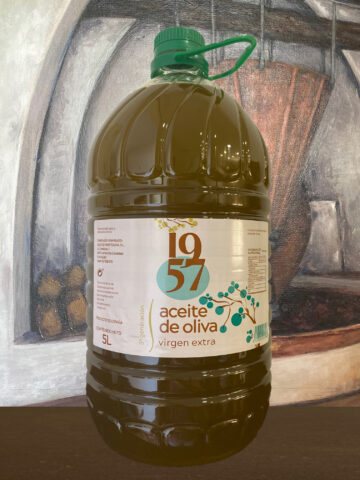
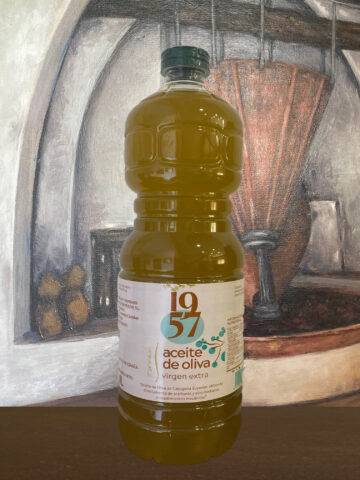
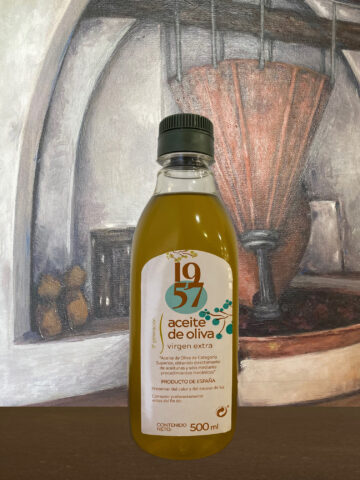
Our selection from producer 1957 includes different varieties and styles, making it possible to conduct a meaningful side-by-side tasting. Start with two contrasting oils, taste both neat and then try them on exactly the same food. That comparison will teach you more than memorising a long list of tasting notes.
-
EMDO Selection Sale
-
EMDO Selection
-
EMDO Selection

Reference sources: International Olive Council sensory-analysis standards and the IOC guide to hedonic tasting. The home tasting described here is educational and does not replace regulatory assessment by an authorised sensory panel.