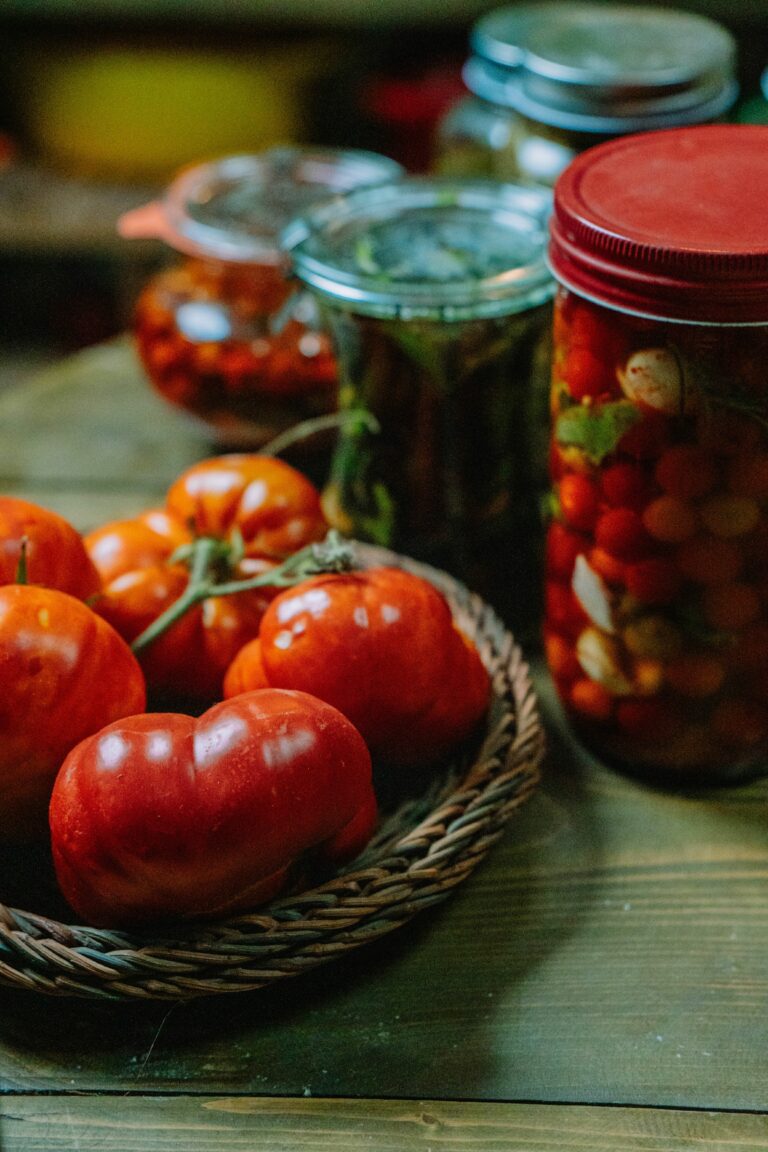
The Canary Islands have a strong cheese culture linked especially to goats and sheep, but their protected cheeses are not one island recipe repeated in different places. Fuerteventura, La Palma and Gran Canaria developed different milks, techniques and territorial identities. Majorero, Palmero and Flor de Guía are three useful entry points.
Related cheese guides: how cheese ripenshow bloomy rinds developwhat cheese affinage meansbrowse all cheese guides
Quick summary
| Main PDOs | Majorero, Palmero and Flor de Guía / Media Flor / Guía |
|---|---|
| Milk | Majorera goat, Palmera goat and defined milk combinations with an important sheep component in Flor de Guía |
| Territories | Fuerteventura, La Palma and defined municipalities of Gran Canaria |
| Key | Read the exact protected name and style within each PDO |
An island tradition shaped by livestock and climate
Different islands have very different forage resources, altitudes and microclimates, and livestock systems adapted accordingly. Local breeds and the historic need to preserve milk helped create a strong cheesemaking culture.
That does not mean all Canary cheese is goat’s milk or tastes alike. Milk species, maturation, coagulant, rind treatment and island of origin all matter.
Majorero PDO: Fuerteventura’s reference
Majorero PDO is closely tied to the Majorera goat and Fuerteventura. It is a goat’s-milk cheese sold at different stages of maturation. Some rinds receive traditional authorised treatments that may include oil or paprika, so exterior appearance can vary.
Its flavour generally becomes more concentrated with age. A reddish rind is not proof of authenticity by itself; PDO identification and producer labelling are the proper references.
Palmero PDO: Palmera goat milk and volcanic island identity
Palmero PDO is produced on La Palma from Palmera goat milk. Wheels can be large and the sensory profile changes greatly with maturation. Smoking may be used in traditional production, but it is not the only recognition criterion.
Fresh cheese can reach the market very quickly, while PDO certification and counter-labelling operate under the control rules and timing of the scheme. It is therefore useful to distinguish cheese made on La Palma from a cheese specifically certified as Queso Palmero PDO.
Flor de Guía: vegetable rennet and three protected names
The Gran Canaria PDO protects Queso de Flor de Guía, Queso de Media Flor de Guía and Queso de Guía. The type and proportion of coagulant help distinguish them. Cardoon flower is central to Flor de Guía, Media Flor combines vegetable rennet with other coagulants, and Queso de Guía follows its own rules within the same specification.
This family is particularly useful for understanding vegetable rennet because changing coagulant can affect texture, protein breakdown and sensory evolution.
Goat, sheep and blends: avoid one stereotype
Majorero and Palmero are strongly linked to local goat breeds. Flor de Guía has an important relationship with Canarian sheep milk and can include other milks within the specification. Calling all island cheese “Canarian goat cheese” erases that diversity.
When choosing, check milk species first, then maturation and technique. Similar intensity can come from completely different production paths.
Building a Canary cheese tasting
A board can start with a young goat’s-milk cheese, move to a more matured Majorero or Palmero, then use Flor de Guía to explore vegetable rennet. If smoked or treated-rind cheeses are included, avoid too many at once because those aromas can dominate the comparison.
Serve at a suitable temperature and taste each cheese alone before adding honey, fruit or sauces.
What to check when buying
Check the exact protected name, island or defined territory, milk species, maturation and certification marks. With Flor de Guía, identify which of the three protected names is on the label. With Palmero and Majorero, do not infer authenticity from smoke, paprika or rind colour alone.
For online purchases, check weight, format and shipping conditions. Young high-moisture cheeses require stricter refrigeration than dry aged wheels.
Related questions
Are all Canary cheeses goat’s milk?
No. Goats are very important on several islands, but Flor de Guía also shows the importance of sheep milk and authorised blends.
Are Flor de Guía and Media Flor the same cheese?
No. They share a PDO framework and territory, but the defined coagulation systems distinguish them.
Is any smoked cheese from La Palma automatically Palmero PDO?
No. Smoking does not replace certification or the PDO requirements for origin and production.
Related guides
- Queso de Flor de Guía PDO: vegetable rennet, Media Flor, Queso de Guía and the differences
- What is rennet in cheese? Animal, vegetable and microbial coagulants explained
Bottom line
The Canary Islands do not have one representative cheese. Majorero, Palmero and the Flor de Guía family show three different relationships between breed, island, coagulant, maturation and rind. Reading the protected name carefully reveals the diversity behind the stereotype.