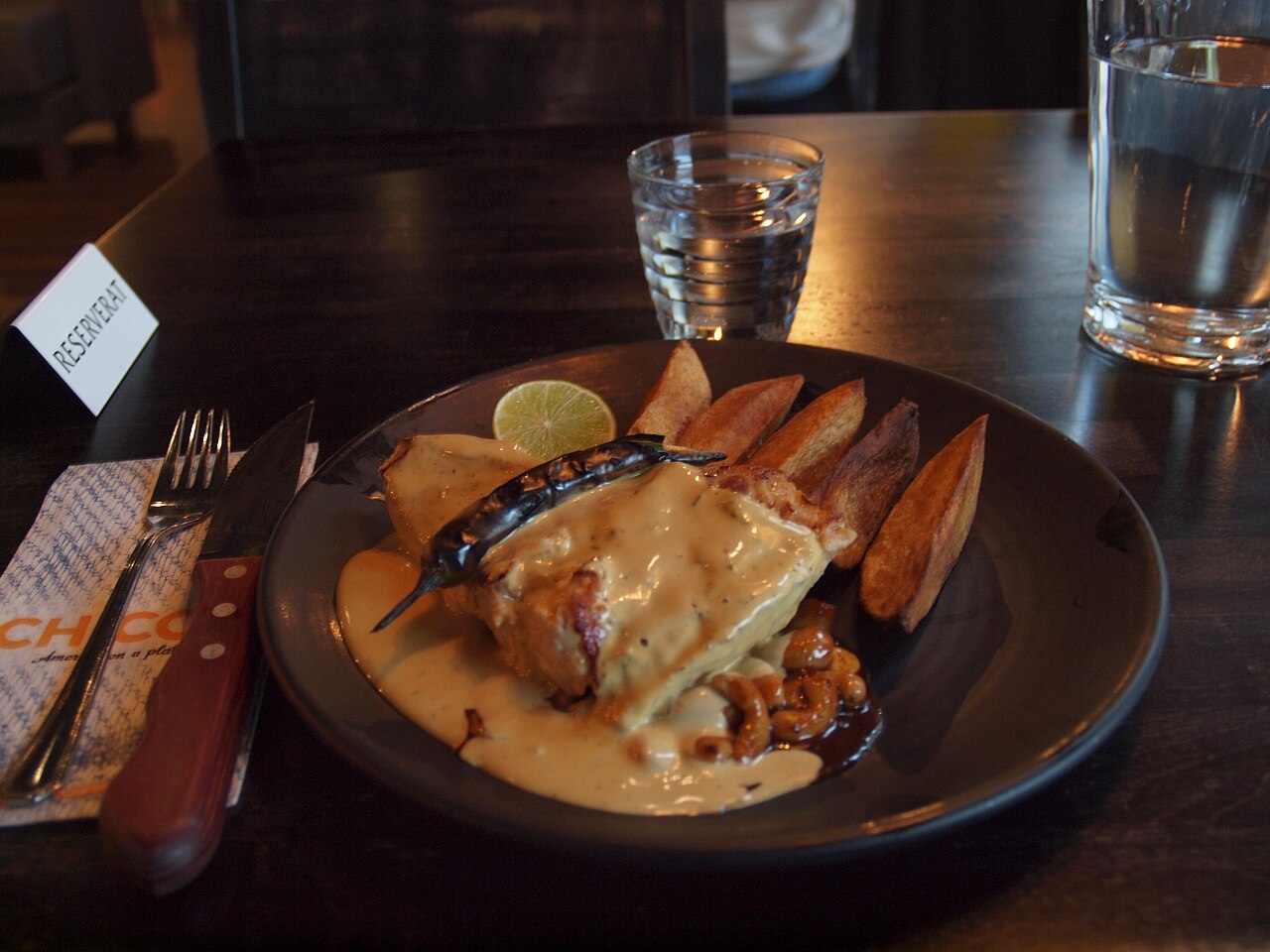
When someone first encounters crocodile meat, they often ask whether it tastes like chicken or fish. Both comparisons crop up in casual descriptions, yet neither tells you what will be on your plate. A tender natural cut, diced meat for stewing and a breaded processed product are very different experiences. Begin with the product format, not a cooking time found on a generic recipe page.
Flavour depends on the particular piece
Crocodile is often described as relatively mild, sometimes with notes that remind people of white meat. Its texture can be firm and changes with the muscle and preparation. A plainly seasoned natural piece lets you explore those qualities; heavily breaded fingers taste substantially of their coating, seasoning and cooking fat.
It is not an exact equivalent of chicken or a white fish. Those labels obscure the useful differences between cuts, and they can encourage an inappropriate cooking method.
Read the format before choosing a recipe
Specialist retailers may offer natural pieces for pan cooking, diced cuts, burgers and prepared products. If a listing gives you the animal's name but not the cut or processing information, it leaves critical questions unanswered.
- Natural fillet: check thickness, any stated anatomical cut, storage conditions and whether pan cooking is recommended.
- Stewing cubes: use moist cooking if that is the intended format, rather than assuming every piece is suitable for a quick sear.
- Burger: examine meat percentage, other ingredients and the separate requirements for ground meat.
- Breaded or precooked items: follow the pack's heating or cooking directions and check for allergens.
The word crocodile does not establish a country of origin, exact species or farming method. Those are traceability facts, not something to guess from a promotional photograph.
Natural crocodile with lemon and parsley
For two people, a suitable pan-cooking cut weighing around 300–350 g can be paired with a little olive oil, garlic, parsley, lemon and white rice or grilled courgette. The point is to avoid overpowering a delicate ingredient. You do not need to marinate it in lemon for hours.
- Prepare rice or vegetables first, so the meat does not need to sit waiting for a side dish.
- Thaw as directed on the package, usually in the refrigerator where applicable. Pat the surface dry.
- Warm a pan with a small amount of oil. Cook similarly sized portions without crowding, to help heat move through them evenly.
- Do not judge safety by colour. Thickness, processing and the product's specific food-safety instructions matter. Use a thermometer when appropriate and follow the supplier and relevant food authority's advice.
- Serve on a clean plate with parsley and a little lemon juice.
This is deliberately a recipe for a suitable natural cut. It is not an instruction to use the same technique for frozen nuggets, a mixed burger or dedicated stewing pieces. Respect the format written on the label.
Origin and food safety: questions worth asking
Before buying an unusual animal product, look for a legal and traceable supply chain, country of origin, exact commercial species, storage conditions and whether the item is raw, precooked or ready to heat. Those facts will tell you more about how to handle it than the word exotic.
A pale surface is not proof that the middle is safe. Likewise, it is misleading to recommend exactly two minutes per side for a piece whose thickness and processing are unknown. Food Standards Australia New Zealand's food-safety guide explains the importance of keeping food cold, separating raw ingredients from ready-to-eat foods and using a thermometer.
Serve it as food, not just as a novelty
White rice, lightly grilled vegetables, fresh herbs and a little acidity are sensible companions for a milder natural cut. Spiced versions can be delicious too, but then you are largely evaluating the coating, sauce and processed texture.
A first purchase makes more sense when the cut and its intended use are clear. For a different experience involving processed meats, see our exotic-meat burger comparison, which places the ingredient list ahead of the animal's name.
nIllustrative photo of the food by JIP / Wikimedia Commons. License CC BY-SA 3.0. Image resized for web display.

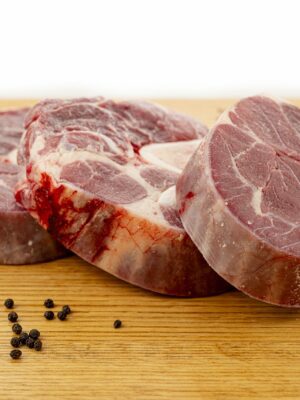 Beef osso buco