Zebra meat attracts attention because it is unusual in many European kitchens. Its rarity also creates a problem: claims about flavour, nutrition and provenance are often repeated without information about the actual piece being sold. A responsible buying guide should begin with a different question: which zebra species, which cut, and which traceable supply chain? Without those facts, highly specific cooking instructions would be conjecture rather than useful advice.
This article explains what to look for in a product listing, why comparisons with horse or beef have limits, and how to choose a method suited to a clearly identified cut. The animal's novelty does not need exaggeration.
Species matters, and zebra is not a country of origin
Zebras are equids, but they are different species from domestic horses. Plains zebra (Equus quagga), mountain zebra (Equus zebra) and Grévy's zebra (Equus grevyi) are distinct names. This biological fact should not be confused with a claim that all of these animals are legally or commercially available as food.
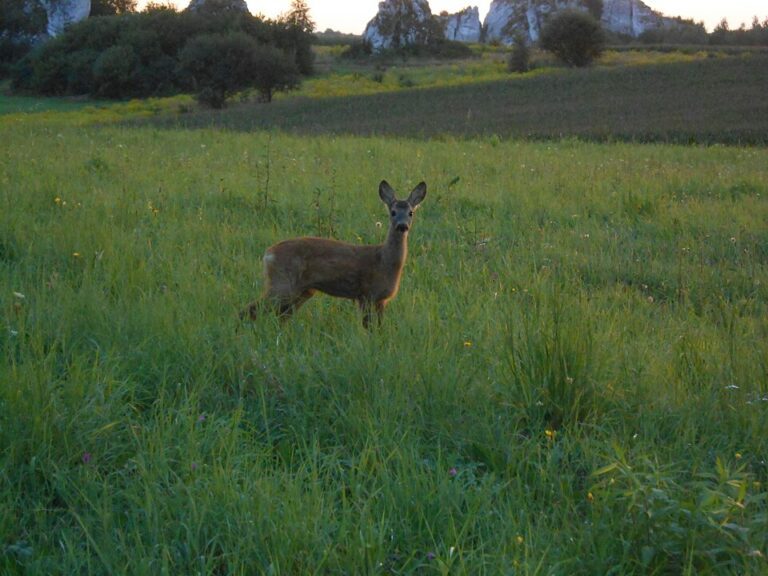
Ask for the species declared on the product, its country of origin, traceability and the required health documentation. A picture of an animal on grassland cannot establish where or how a particular shipment was produced. If essential documentation is absent, do not buy on the strength of a dramatic photograph.
Wildlife protection and international trade rules can differ by species, location and source. It would be misleading to treat those matters as identical across all zebras or imply a particular imported meat is lawful without checking the exact supply chain.
What can be said about the flavour?
Some accounts of zebra dishes describe pronounced red-meat flavour. Yet muscle, age, diet, storage, freezing and cooking all change the outcome. There is no sound reason to claim that every piece tastes just like horse merely because both animals are equids.
For a genuine first tasting, use restrained seasoning and a mild accompaniment. A powerful sauce may be enjoyable, but it tells you little about the meat itself. A heavily seasoned burger is an especially poor stand-in for the flavour of a plain steak.
Make the cut, not the animal name, determine the technique
Check whether you have a naturally tender steak, roasting joint, clearly labelled stewing cubes or minced preparation. The phrase zebra meat does not automatically mean tenderloin. A heavily worked muscle may need moist cooking; a tender steak might be better suited to an appropriate shorter method.
For genuine stewing meat, a vegetable base of onion, carrot and garlic with stock is a sensible starting point. Brown cubes in batches and use moist cooking until tender and safely cooked, following the supplier's instructions. For a pan-cooking steak, prepare side dishes first and work with portions of comparable thickness.
It would be irresponsible to promise a universal number of minutes per side or invent a safe internal temperature for an unusual species. A beef-steak recommendation is not automatically a zebra recommendation. Use a food thermometer and seek species-specific supplier or food-authority guidance.
A product checklist worth keeping
- Species: unambiguous identity rather than a vague novelty label.
- Provenance: origin, authorised supply chain and health controls.
- Cut: steak, roast, stewing muscle or minced preparation.
- Format: weight, frozen/fresh state and storage information.
- Ingredients: full composition and allergens for prepared items.
A compelling tasting note cannot make up for missing traceability. In unfamiliar meats, clear documentation is part of product quality.
How to approach the first meal
Roasted vegetables, mushrooms and potatoes provide a neutral accompaniment. Keep sauces on the side, and distinguish the flavour of the animal from flavour added by a processed recipe. Ground products do not carry the same food-safety assumptions as intact pieces.
FoodSafety.gov's four steps cover cleaning, separating, cooking and chilling. These basics do not replace the particular supplier's directions or the health documentation required for an unusual species.
If you want a better-known game-meat comparison, our venison guide covers the practical questions. Our ragout guide deals with choosing cuts for moist cooking. Zebra deserves its own properly grounded description, not a copied recipe from another animal.
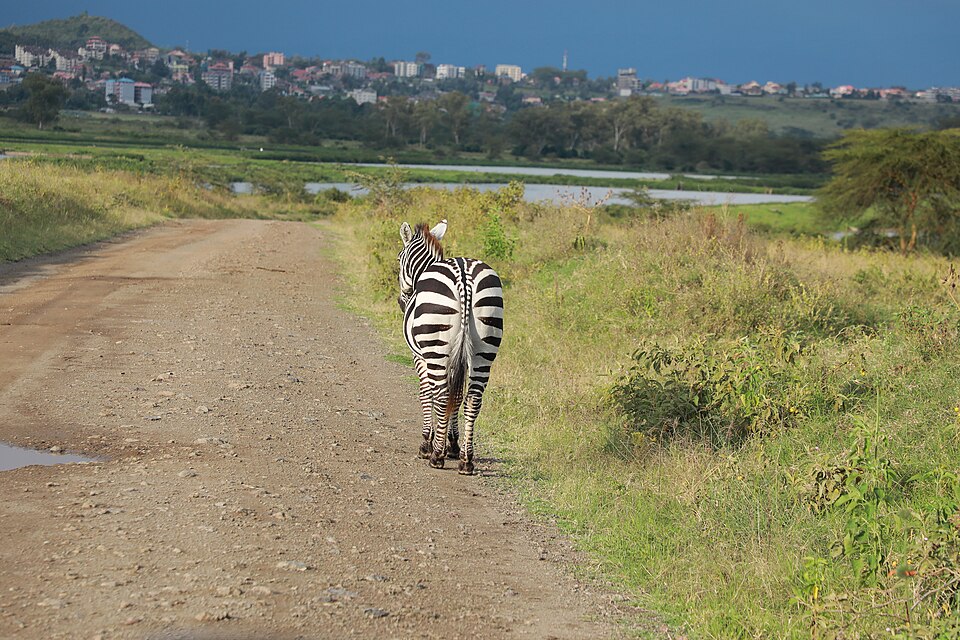
Photo of a living zebra. It does not depict a meat product or establish the origin of any commercial meat. Photograph: Queen Asali / Wikimedia Commons. License CC BY-SA 4.0. Image resized for web display.
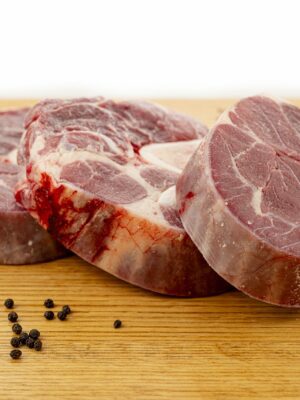 Beef osso buco