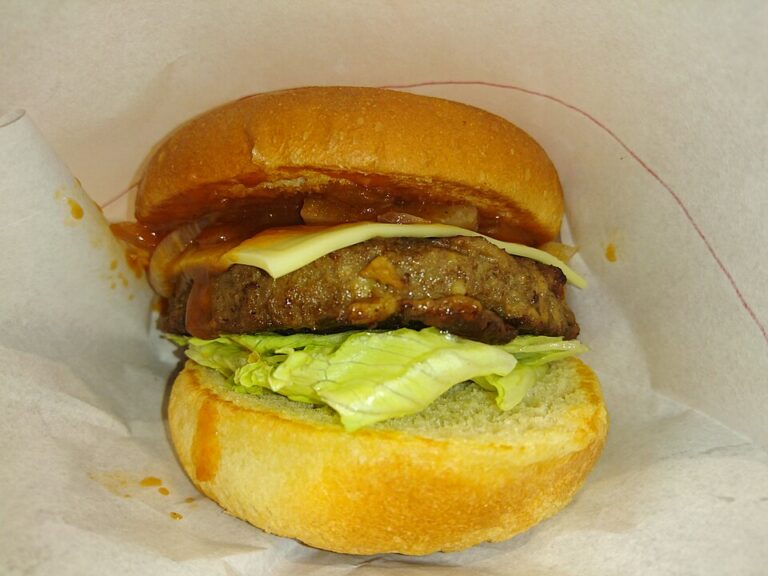
Calling bison “beef with more flavour and less fat” may sound convenient, but it is not a reliable description of any individual product. Both are red meats from bovids. Their cuts, processing and nutritional characteristics can still vary substantially. A useful comparison puts a bison steak beside a comparable beef steak, or one burger beside another—not a seasoned burger beside an intact tenderloin.
Flavour: familiar but not identical
People accustomed to beef often find bison approachable. It is sometimes described as slightly sweeter or richer, but that is a broad tasting impression rather than a guaranteed flavour. Diet, age, ageing, anatomical cut and cooking all make a difference. It is not meaningful to declare either species automatically superior on flavour.
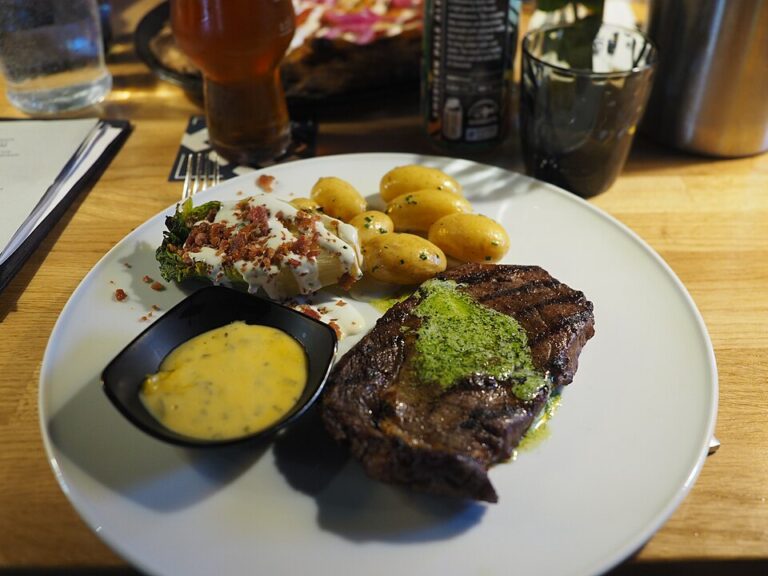
For a first tasting, choose a plain, clearly labelled cut. Season gently and serve potatoes or roasted vegetables alongside. A sauce served separately lets you make a fairer comparison with beef.
A comparison that actually helps you choose
| Question | Bison | Beef |
|---|---|---|
| Animal | From the genus Bison; not water buffalo | Domestic cattle in the genus Bos |
| Fat content | Many retail cuts are lean, though products differ | Varies greatly by cut, breed and marbling |
| Retail formats | Steaks, roasts, stewing cubes and ground meat | A broad range of similar and additional cuts |
| Cooking technique | Depends on cut and whether it is ground or intact | Also depends on the cut and processing |
The USDA's bison fact sheet describes the meat as generally lean and provides reference nutrition values for particular raw cuts. Those figures should not be copied onto the label of every bison burger: added fat and other ingredients can change the final nutritional profile.
Choosing between steaks, stews and burgers
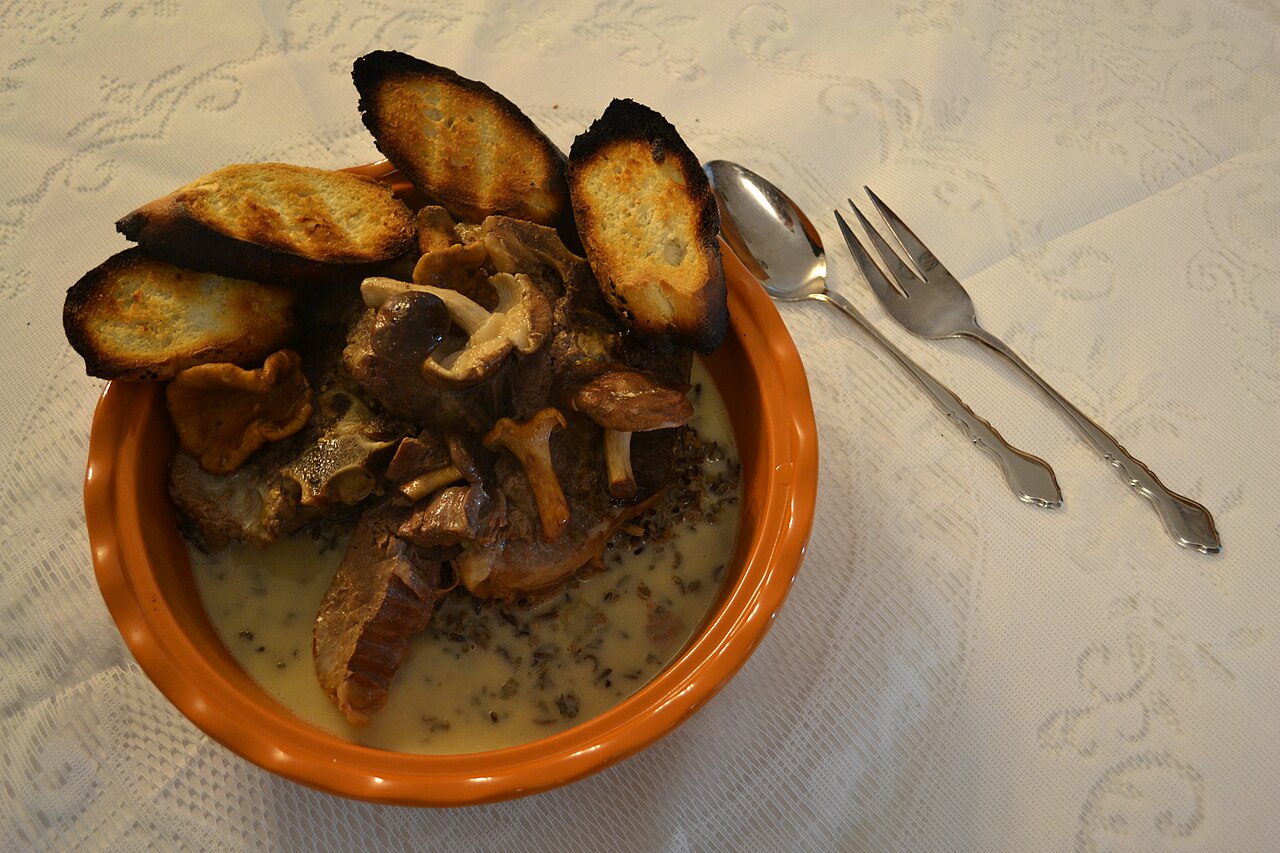
For a pan-cooked main course, look for an identifiable steak of suitable thickness. For slow cooking, choose a cut actually sold for braising or stewing, where connective tissue and moist heat can work together. Burgers belong to another category entirely: grinding changes texture and what constitutes safe cooking.
When ordering online, check the animal's origin, net weight, storage instructions and whether the product is plain meat or a preparation. Price per package cannot be compared fairly when package weights differ.
How to cook bison: USDA guidance is specific
A common mistake is to use one technique for every cut. Prolonged dry heat can be unhelpful for a lean tender steak, while a hardworking stewing cut cannot be made tender by a momentary sear. Match the method to the muscle.
For an intact steak, thaw safely if needed, pat dry, use a suitable pan and avoid crowding. Measure the centre with a thermometer. The USDA recommends 63°C (145°F) minimum followed by a three-minute rest for raw bison steaks and roasts. For raw ground bison the guidance is 71°C (160°F). These are different standards, so a burger should not be prepared according to rare-steak assumptions.
The distinctions are set out in the USDA's dedicated bison food-safety guidance. Follow the packaging for mixed or previously cooked products.
Is bison the same as buffalo?
In North American English the word buffalo is commonly used for American bison. In international meat retail, however, buffalo may also mean water buffalo, a different animal. A vague name is not an adequate substitute for species and origin information.
Our companion guide Buffalo versus bison: what is the difference? deals with this naming issue in more detail. It is particularly useful when comparing imported product listings.
Is it worth buying bison rather than beef?
That depends on the actual cut and what you value. For someone curious about red-meat flavour, a traceable and well-described bison steak offers a different tasting experience. For a value comparison, match cut, serving weight, ageing and storage against an equivalent beef product. Novelty does not automatically indicate quality, and familiarity does not mean inferior food.
The most useful purchase criteria are specific: confirmed species, cut suited to your cooking plans, realistic portion weight and clear handling instructions.
nIllustrative photo of the food by Visitor7 / Wikimedia Commons. License CC BY-SA 3.0. Image resized for web display.