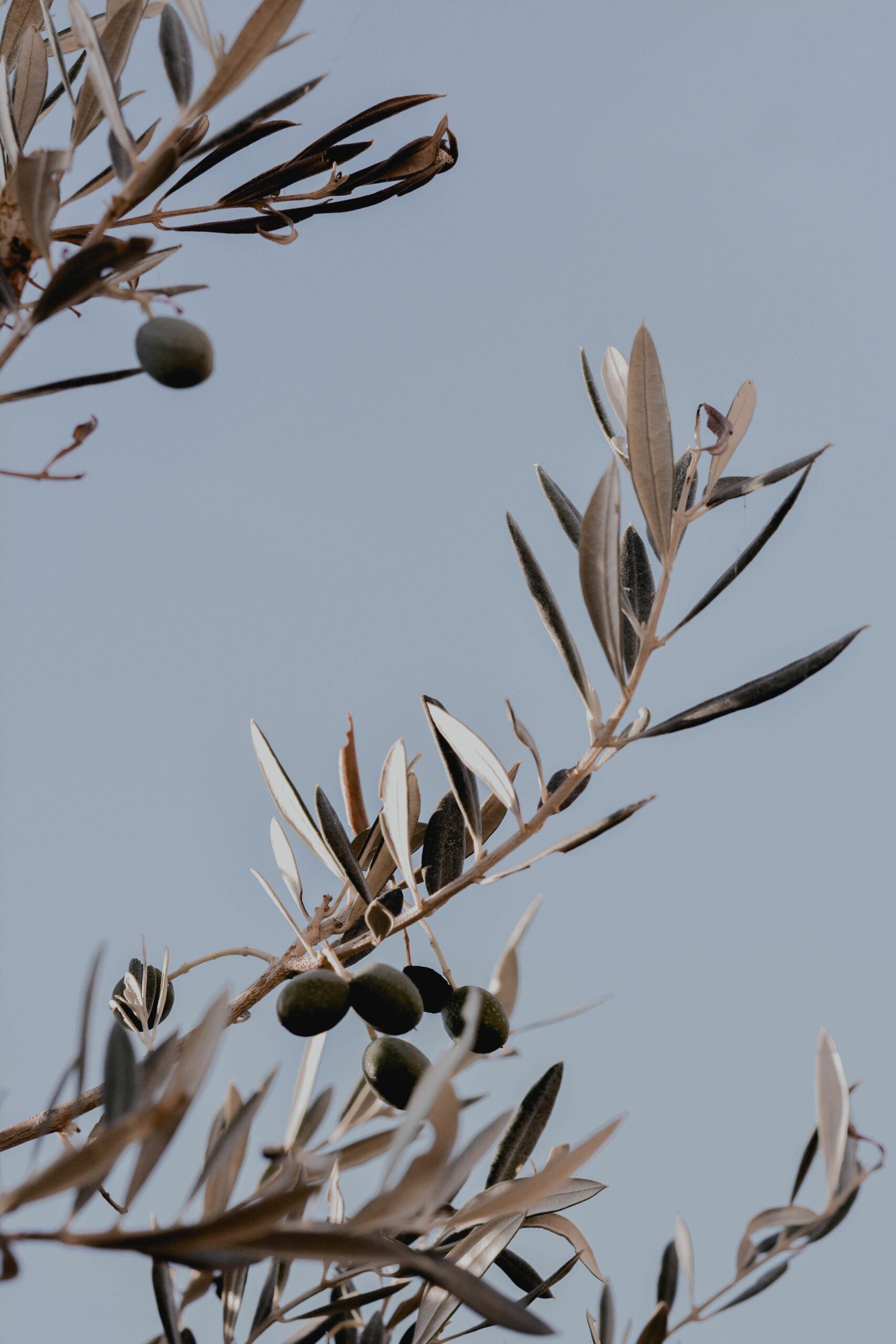
Talking about olive oil from Córdoba as though it had one flavour is too simplistic. The subbética around priego and lucena, the baena countryside and the mountain groves of montoro-adamuz represent different agricultural settings. Origin matters, but it always interacts with cultivar, harvest and processing. This guide organises the map without turning provenance into an automatic promise of quality.
Quick summary
| Context | The official 2025/26 forecast places Córdoba near 19.6% of Spanish olive-oil production, making it one of the country’s decisive olive-growing territories. |
|---|---|
| Areas | the Subbética around Priego and Lucena, the Baena countryside and the mountain groves of Montoro-Adamuz represent different agricultural settings |
| Cultivars | Hojiblanca, Picuda, Picual and Nevadillo Negro are key references whose proportions vary between protected areas |
| Protected quality | Córdoba contains four major olive-oil PDOs: Baena, Priego de Córdoba, Montoro-Adamuz and Aceite de Lucena. |
PDO and PGI: what the schemes protect
Córdoba contains four major olive-oil PDOs: Baena, Priego de Córdoba, Montoro-Adamuz and Aceite de Lucena.
These schemes are not prizes. They are systems of protection and control defining area, raw materials and production conditions for registered operators. Excellent EVOO can exist outside a PDO, while a PDO does not remove the need for good storage. Its main value is guaranteeing that the geographical name follows a specification.
How flavour profiles can differ
As an orientation, Priego offers intense fruitiness with Hojiblanca and Picuda prominent; Montoro-Adamuz combines Picual and Nevadillo Negro with bitterness, pungency and high phenolic content; Baena and Lucena add other balances. Fruitiness, bitterness and pungency are separate attributes. Colour is not a quality measure and greater intensity does not automatically mean greater quality.
To compare origins, taste oils from similar harvest periods in good condition. Smell first, then assess fruitiness, bitterness, pungency, persistence and balance. This separates genuine differences from expectations created by labels.
Harvest and mill decisions
The same territory gives different results when olives are picked green or several weeks later. Early harvest often reduces oil yield and can strengthen green, bitter or peppery profiles; riper fruit can shift aromas toward mature notes.
After picking, rapid transport and milling are critical. Careful extraction, filtration when chosen, protection from oxygen and light and controlled storage temperature complete a chain in which geographical origin is only one component.
Córdoba combines lowlands, the Subbética and mountain areas in a diverse olive-oil map
The province includes broad agricultural plains, the Subbética and mountain zones with different altitude and slope. Geography affects cultivars, harvest calendars and mill styles. Córdoba is not a smaller version of Jaén: Picual is present, but Hojiblanca, Picuda and other cultivars play a much larger role in specific areas.
Priego de Córdoba: Hojiblanca and Picuda within a highly distinctive territory
Priego de Córdoba PDO is associated with a cultivar mosaic in which Hojiblanca and Picuda are especially important alongside Picual. Oils can be highly aromatic and green, but the PDO does not promise one flavour; it protects origin and specification rules.
Baena, Montoro-Adamuz and Aceite de Lucena broaden the provincial map
Baena, Montoro-Adamuz and Aceite de Lucena are other protected references in Córdoba. Each relates to different territories and cultivar combinations. Reading them together shows Córdoba as a system of areas rather than one single PDO.nnThe label is the correct way to verify which scheme protects a particular bottle.
How to compare Córdoba with Jaén without creating a false competition
A useful comparison matches cultivars and territories rather than treating provinces as brands. A Jaén Picual can be tasted beside a Córdoba Hojiblanca or blend to observe fruitiness, bitterness, pungency and aroma.nnThe aim is not to decide which province wins but to understand how cultivar, climate and processing create different profiles.
Montoro-Adamuz and northern Córdoba: another reading of Picual
Northern Córdoba offers a useful contrast with the Subbética. The Montoro-Adamuz PDO covers a more mountainous setting with a strong presence of Picual, making it useful for seeing how the same cultivar can change with altitude, ripeness, season and mill decisions. It should not be treated as a contest with Priego de Córdoba or Baena: each protected name has its own territory, authorised cultivars and production rules.
For tasting, comparing a Montoro-Adamuz oil with one from Priego can teach more than trying to assign one flavour to the whole province. Origin provides context; cultivar, harvest timing and extraction complete the sensory profile.
Related questions
Is every EVOO from Córdoba part of a PDO or PGI?
No. Geographical schemes protect only oils and operators meeting their specification; excellent EVOO can exist outside them.
Does origin tell you exactly what an oil from Córdoba will taste like?
No. It provides useful clues about cultivars and conditions, but harvest, milling and storage can change the profile substantially.
Related guides
- Priego de Córdoba PDO: varieties, EVOO profile and how to identify it
- Baena PDO: varieties, EVOO profile and how to identify it
- How climate, soil and altitude influence EVOO flavour
- Olive oil designations of origin in Spain: what they guarantee and how to read them
Bottom line
Origin is one layer of information in EVOO from Córdoba, not a sensory verdict. Understanding areas, cultivars and quality schemes and combining them with harvest, processing and storage supports better choices.