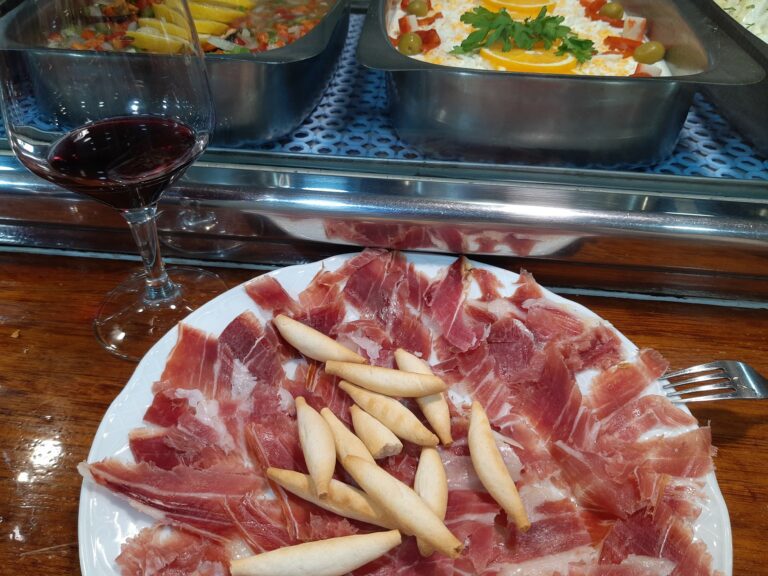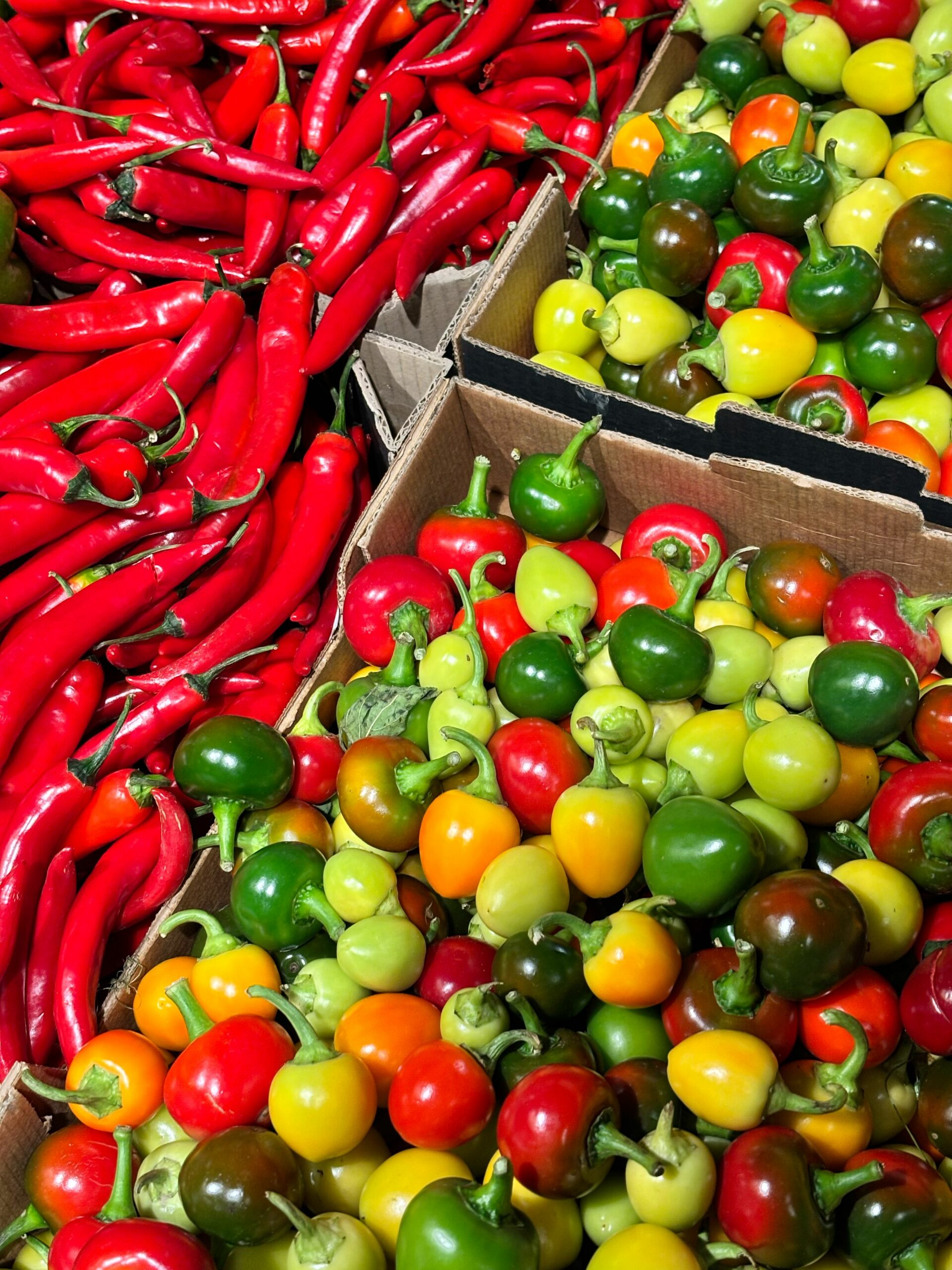
The expression “local food” appears on menus, market stalls, product labels and online shops. But local to whom? A cheese made near your home is a nearby product for you. The same cheese ordered from another region has a clear origin, yet it is no longer geographically close to the buyer.
That distinction matters if you want to support nearby businesses, understand provenance or buy from the maker. Origin, distance and commercial relationships are connected questions, but they are not interchangeable.
Proximity depends on the buyer's location
A product can be local to one household and distant from another. Claims such as “zero kilometres” should explain the territory or distance they refer to. There is no universal number of kilometres that automatically determines the quality of every kind of food.
Different stages can also occur in different places: growing, rearing, processing, packing, storage and dispatch. The address of a vegetable cannery, for example, does not necessarily tell you where its vegetables were grown.
Local, direct, seasonal and organic describe different things
Local or proximity refers to a geographical relationship between a product and a specific place.
Direct-from-producer describes the commercial route. A buyer may purchase directly from a producer in another part of the country, including through an online platform. Direct does not automatically mean nearby.
Seasonal concerns when a particular crop is typically produced in a region. Climate, variety, protected cultivation and storage can change the picture. Our guide to Spanish seasonal vegetables explains why a calendar is a guide rather than a guarantee.
Organic refers to a production system with specific rules and controls when foods are marketed under that protected description. Organic food can be imported or sold through intermediaries; local food is not necessarily organic.
How to check origin beyond a marketing claim
Start with the exact product name and the labelling information relevant to its category. Look for any required origin details, the food business operator, ingredients and applicable regulated designations. Not every food category carries exactly the same compulsory statements, so a single universal checklist would be misleading.
PDO and PGI labels indicate regulated links with named territories and production conditions. They do not mean a product is located close to your home. Likewise, a company's registered address is not proof that every ingredient came from that town. If provenance is central to your decision, seek a precise explanation rather than relying on a regional-sounding brand name.
Does nearby always mean fresher or better?
Short distribution routes can be convenient and may make contact with nearby sellers easier. Yet time since harvest and kilometres travelled are not the same measure. Some foods are matured or cured by design, while others can deteriorate through poor handling even on a short journey.
Transport distance alone is also not a complete measure of environmental impact. Production methods, storage, the form of transport, seasonality and waste all affect the comparison. Assessing a particular case calls for the complete system rather than a map alone.
Buying food with a known origin from farther away
Sometimes you are seeking a regional speciality precisely because it comes from a different part of the country. In that case your goal is authenticity and a clear origin rather than geographical proximity.
On a shop featuring identified producers and specialist sellers, it makes sense to browse by food category and then read the seller details. With vegetables, variety and harvesting region matter. For oils, the mill and declared origin help. For meat, look for clear provenance and traceability information. Each category raises its own questions.
Choose the value you actually want
Before comparing products, decide whether your main goal is to support a nearby business, minimise distribution distance, try a particular regional food or buy through a more direct relationship. These can all be reasonable goals, but they are different goals. Check the real provenance and delivery details accordingly.
For the commercial side of the question, see our guide to buying directly from food producers.