Ordering vegetables online can be useful when you want to find a particular grower, check where the food comes from or plan your weekly cooking without relying on a supermarket shelf. The best choice is rarely the shiniest photograph or the most uniform-looking produce. Variety, harvesting conditions, intended use and delivery all matter.
It helps to think about three stages: the information available before checkout, how the vegetables travel, and what you do when they arrive.
Freshness starts well before the doorstep
Harvested vegetables are still biologically active. They respire, lose water and change with time. Delicate leaves are sensitive to dehydration, while roots, bulbs and tubers have different storage requirements. This makes freshness a more complex idea than a single number of days since harvest.
Temperature, humidity, handling and the condition of the crop before picking all affect what arrives. A listing need not provide an exact harvesting time to be informative, but it should identify the vegetable, its variety where relevant, its origin and how it should be stored. These details tell you more than an unqualified promise of maximum freshness.
Seasonality depends on the growing region
Spain has varied climates and altitudes. The familiar harvest window for a crop in one region may not be the same elsewhere. Protected cultivation, different varieties and storage add further complexity. A seasonal calendar is a useful planning aid, not a guarantee that a specific item is available from every seller today.
Start with our month-by-month guide to Spanish seasonal vegetables, then compare it with the vegetables currently listed for sale. A product can be seasonally appropriate yet temporarily out of stock or unavailable for your destination.
Varieties matter in the kitchen
“Potato”, “tomato” and “pepper” cover numerous varieties, each with potentially different textures and culinary uses. One potato may keep its shape well when boiled; another may be more suitable for mashing. A firm tomato and a fully ripe tomato can both be excellent, but for different preparations.
Read the precise product name and any cooking guidance before ordering. A specialist seller who identifies varieties and their uses makes it easier to choose according to what you actually intend to cook.
What a product photograph can and cannot tell you
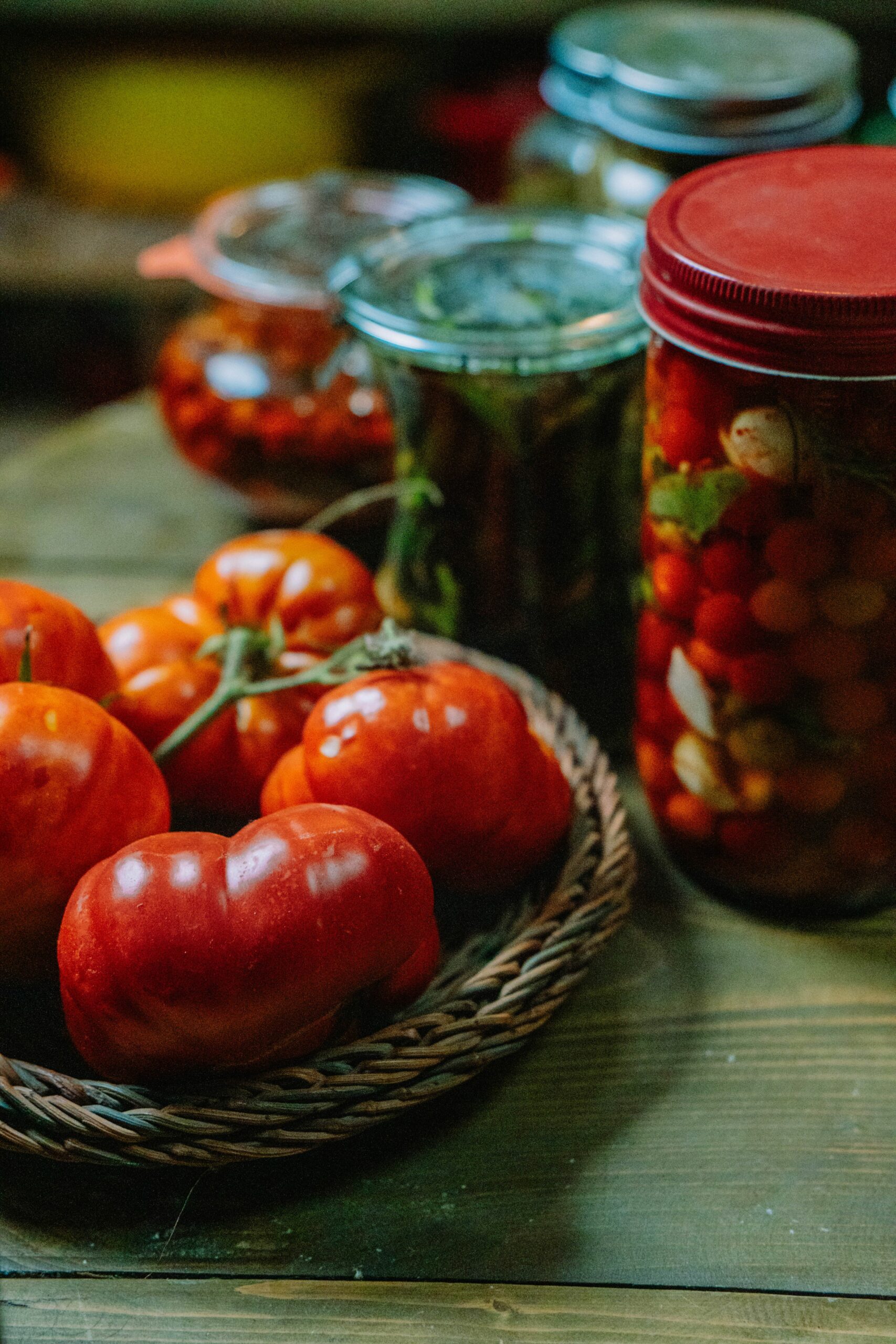
Photographs help identify produce, but a real harvest varies in size, colour and shape. A slightly irregular vegetable is not necessarily worse in flavour, just as a flawless surface is not proof of a particular origin or farming method.
Images are most useful alongside the variety, quantity, producer or seller, provenance and storage instructions. If a photograph is representative rather than an exact image of the items supplied, that distinction should be clear.
Delivery conditions are part of quality
Delicate leaves and tender vegetables need protection against crushing, excessive heat and moisture loss. More robust vegetables may need different packaging. Not everything must be transported like frozen food, but the seller should explain how the product is protected.
Before checking out, confirm the delivery region, any limitations and what to do if a parcel arrives damaged. Orders made up of products from different sellers may be dispatched separately; this is worth knowing in advance.
When your vegetables arrive
Open the parcel promptly, check its contents and separate products that need refrigeration from those that belong in a cool, ventilated space. Lettuce and broccoli do not have the same storage needs as potatoes or onions.
If you notice significant crushing, unusual moisture, a smell of deterioration or a mismatch with the listing, take photographs and contact the seller. Appearance alone should not decide whether a vegetable is usable; its texture, smell, arrival conditions and storage guidance also matter.
Shop flexibly, not mechanically
A good vegetable order fits your recipes, the seasonal supply and the delivery conditions. Plan to use delicate produce first and adapt meals to what is available instead of treating the seasonal calendar as an inflexible rule. Clear provenance and practical storage information are more valuable than a seasonal slogan.
Explore the current vegetable selection to check which products and conditions apply now.
