If you are searching for vegetables highest in vitamin C, red peppers, broccoli, Brussels sprouts and cauliflower are among the strongest everyday choices in Spain. A fair comparison must use foods in the same state and remember that vitamin C is sensitive to heat, water and storage time.
The figures below are approximate values per 100 g of edible food. They are useful for comparing nutrient density, not for claiming that every real-world serving provides exactly the same amount.
Vegetables highest in vitamin C per 100 grams
| Vegetable | Approx. vitamin C |
|---|---|
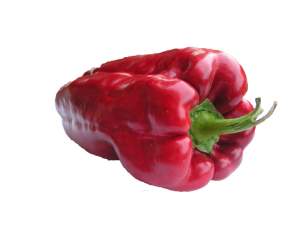
| Red pepper | 130–150 mg/100 g |
| Brussels sprouts | 85–100 mg/100 g |
| Broccoli | 80–90 mg/100 g |
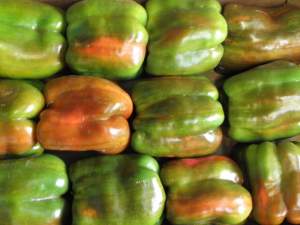
| Green pepper | 80–100 mg/100 g |
| Cauliflower | 55–60 mg/100 g |
| Spinach | 25–30 mg/100 g |
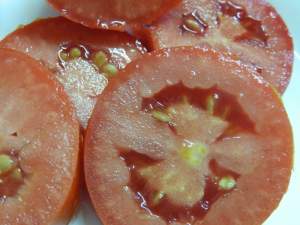
| Tomato | 20–25 mg/100 g |
| Courgette | 15–20 mg/100 g |
Quick answer: raw red pepper is usually near the top among common vegetables, followed by foods such as Brussels sprouts, broccoli and green pepper.
Does pepper contain more vitamin C than orange?
Per 100 g, raw red pepper can provide considerably more vitamin C than orange. That does not make it a “better” food: portion size matters as well.
How to read this comparison
Comparing foods per 100 g is useful for ranking nutrient density, but it is not the same as comparing normal serving sizes. Portion size, water content and cooking method can substantially change what reaches the plate.
To avoid misleading rankings, this guide uses raw edible food as the reference whenever possible. Figures are approximate because variety, soil, climate, ripeness, storage and preparation all introduce natural variation.
Raw and cooked are not the same
Cooking changes food weight and therefore nutrient concentration per 100 g. Water-soluble vitamins may also be reduced by heat and by leaching into cooking water. Minerals and fibre are not destroyed in the same way, but water loss or gain still changes per-weight values.
Whenever you compare two nutrition tables, first check that both refer to the same food state. Mixing raw and boiled values can change a ranking without representing a true like-for-like difference.
Why cooking can reduce vitamin C
Vitamin C is water-soluble and relatively heat-sensitive. Long boiling can reduce it through both heat degradation and movement into cooking water. Short cooking with little water — steaming, microwaving or quick sautéing — generally preserves more.
How to preserve more vitamin C
- Cut vegetables shortly before cooking or serving.
- Avoid storing them for long periods once chopped.
- Use shorter cooking times for heat-sensitive vitamins.
- Use little water or reuse the cooking liquid.
- Alternate raw and cooked vegetables.
Vitamin C and plant iron
Vitamin C can improve absorption of non-haem iron from plant foods. Pairing lentils with pepper or a meal with tomato therefore makes nutritional sense beyond simply adding nutrient totals. See also vegetables highest in iron and our guide to vegetable nutrients.
Frequently asked questions
Which vegetable has the most vitamin C?
Among everyday vegetables in Spain, raw red pepper is usually one of the highest per 100 g.
Does broccoli contain vitamin C?
Yes. It is rich in vitamin C, although the final amount depends on cooking.
Does cooking remove all vitamin C?
No. Some can be lost through heat and leaching into water, but not all of it disappears.
Is raw pepper better?
For preserving vitamin C specifically, raw pepper avoids cooking losses; cooked pepper remains nutritious.
Do frozen vegetables retain vitamin C?
They can retain significant amounts; blanching and storage duration both matter.
Sources and method
Approximate values based on publications from the Spanish Nutrition Foundation (FEN) and Spanish food-composition tables.
How to use this information when shopping and cooking
A nutrition table is a tool for understanding differences, not a list of “good” and “bad” foods. In a weekly shop it makes more sense to combine several vegetables — leafy greens, cruciferous vegetables, peppers, tomatoes and seasonal produce — than to chase the number-one food for one nutrient every day.
Edible yield matters too. One hundred grams purchased is not always one hundred grams eaten: stems, outer leaves, skins and discarded parts change the real amount. In an actual diet, variety, frequency and serving size matter as much as the per-100-g number.