Potatoes look robust, but poor storage can make them sprout, turn green, shrivel or rot much sooner than expected. There is no single magic trick. Good storage depends on four main factors: light, temperature, moisture and ventilation.
For years, consumers were often told never to refrigerate potatoes because cold storage could increase reducing sugars and potentially increase acrylamide formation when potatoes were fried or roasted. More recent evidence has changed that simple rule. The UK Food Standards Agency now states that, to help reduce food waste, potatoes can be stored either in the refrigerator or in a cool, dark, dry place. A study reviewed by its scientific committee found that home refrigeration did not materially increase acrylamide-forming sugars compared with cool, dark storage.
Quick answer: refrigerator or pantry?
If you have a genuinely cool, dark, dry and ventilated pantry, it is an excellent location. If your home is warm, bright or potatoes sprout quickly, the refrigerator is also a valid option for extending storage.
In either location, avoid trapped moisture and inspect the batch regularly. One rotting potato can introduce moisture and spoilage to neighbouring tubers.
Light is a major enemy
Exposure to light can make potatoes develop chlorophyll and green areas. Chlorophyll itself is not the main safety issue, but greening can coincide with increased levels of natural defensive compounds called glycoalkaloids.
Do not leave potatoes for weeks in an open basket beside a window or under strong lighting. A paper bag, ventilated box, dark drawer or opaque breathable container is better.
Dark does not mean airtight
A common mistake is sealing potatoes in a plastic bag to block light. If moisture accumulates and airflow is poor, condensation, softening and rot can become more likely.
Aim for darkness plus ventilation. If potatoes arrive in a mesh bag that lets in too much light, place it inside an open paper bag or ventilated box.
Should potatoes be washed before storage?
Usually not. Washing adds surface moisture, so it is better to store potatoes dry, brush away loose soil if necessary and wash them just before cooking.
If condensation or water has made the surface damp, allow it to dry before placing that potato back with the rest.
What happens in the refrigerator?
Cold slows metabolic activity and can delay sprouting and loss of firmness. Depending on variety, duration and temperature, it may also change sugar balance and make some potatoes taste slightly sweeter.
The old blanket advice against refrigeration was based on cold sweetening and concern about acrylamide during high-temperature cooking. The FSA's updated assessment allows home refrigeration because the observed effect was not materially greater than storing potatoes in a cool, dark place.
Where should refrigerated potatoes go?
Choose a location where they will not be soaked by condensation or liquids from other foods. A paper bag or ventilated container in the vegetable drawer can keep them together and protected from light.
There is no need to wrap every potato airtight. Inspect them periodically and remove any tuber that becomes wet, very soft or clearly spoiled.
How to reduce sprouting
There is no home method that stops sprouting forever. A potato is a living tuber and will eventually try to grow. You can, however, slow the process:
- keep potatoes away from light;
- avoid prolonged warm storage;
- provide airflow;
- do not store them wet;
- buy quantities that match household use;
- inspect the batch and use potatoes that are starting to lose firmness first.
Does one small sprout mean the potato must be discarded?
Not necessarily. A firm potato with a small sprout may still be usable after generously removing sprouts, eyes and any green areas. A heavily green, strongly sprouted, bitter, damaged or spoiled potato is a different case.
See our detailed guide to green and sprouted potatoes.
Why buying too many can be counterproductive
Fresh potatoes do not stay unchanged indefinitely. They lose water, starch and sugars evolve, sprouts emerge and damaged areas may spread. A very large sack is only economical if you have suitable storage and will actually use it.
For many households, buying smaller amounts more frequently reduces waste more effectively than trying to store a large reserve for months.
What about wrinkled potatoes?
A slight loss of firmness can simply reflect dehydration and does not automatically mean rot. However, a potato that is very soft, wet, sunken, mouldy, foul-smelling or extensively damaged should be discarded.
Judge the complete condition rather than relying on one visual sign.
Separate damaged potatoes
Bruises, cuts and wet areas can deteriorate more quickly. Inspect potatoes after purchase and use mildly damaged but still sound pieces first. Remove rotten potatoes so that moisture and spoilage do not spread through the batch.
Potatoes for frying or roasting
Acrylamide can form in starchy foods during certain high-temperature cooking processes, particularly with heavy browning. Whatever the storage method, avoid cooking chips, roast potatoes or similar foods to excessively dark colours; aim for reasonable golden browning.
Storage is only one variable. Variety, cut size, washing, cooking temperature and cooking time also affect the finished food.
A practical system for different homes
- Cool home with a dark pantry: use a breathable bag or box in a dry location.
- Warm or bright kitchen: do not leave potatoes on the counter; find a cooler cupboard or refrigerate them.
- Summer: if the pantry becomes very warm, refrigeration can help reduce sprouting and waste.
- Low household use: buy less at a time so storage does not have to compensate for overbuying.
Bottom line
For good potato storage, prioritise darkness, dryness, airflow and avoiding prolonged warmth. A cool pantry works very well, but the refrigerator is also a valid option under current guidance, especially when it helps prevent food waste. Do not wash potatoes before storing, check them regularly and remove small sprouts and green areas when appropriate; heavily green, bitter or clearly spoiled potatoes are better discarded.

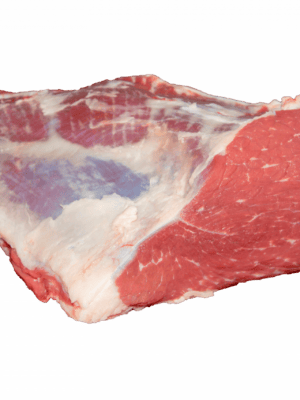 Beef picanha (rump cap)
 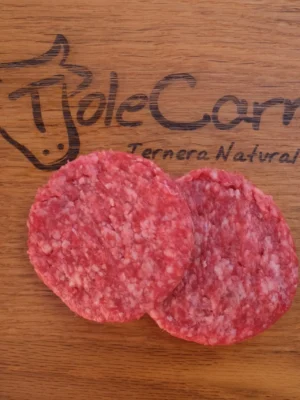 100% beef burgers – gluten-free (2)