
Talking about seasonal vegetables in Spain requires one important qualification: there is no identical calendar for the whole country. Latitude, altitude, coast, inland climate, protected cropping, varieties and the weather of each season can move a harvest by several weeks. Even so, useful seasonal patterns exist.
This calendar is not intended to turn each month into a rigid boundary. It is a practical guide to produce that is commonly in a strong Spanish production window and to why the same vegetable may arrive earlier in one region and later in another.
What “seasonal” really means
A vegetable is seasonal when its normal production cycle fits the conditions of a particular place and period. That does not necessarily mean open-field growing. Spain has extensive protected horticulture that lengthens calendars and provides domestic produce during months when other regions could not grow it outdoors.
Nor does produce become poor the moment it falls outside an “ideal” month. Storage, staggered planting and different growing regions extend availability. Seasonality is an agricultural guide, not an expiry date.
Winter: January and February
Cool months favour many leafy vegetables, brassicas and roots. Common choices include leeks, cauliflower, broccoli, cabbage, chard, spinach, escarole, artichokes, celery, turnips and onions. Storage crops such as potatoes and certain pumpkins also remain widely available.
Mild Mediterranean areas may grow produce that inland regions associate with warmer periods. The producer's actual origin is therefore more informative than a single national chart.
March: the transition to spring
March overlaps winter produce with the first strong spring crops. Artichokes, leeks, spinach, chard and brassicas continue, while broad beans, peas, spring onions and spring lettuces become more prominent.
It is a particularly variable month. A mild winter can advance harvests; a cold one can delay them. Direct grower information is the best reference for the current crop.
April and May: full spring
Spring broadens the range considerably. These are excellent months for asparagus, broad beans, peas, spring onions, lettuce, chard, spinach and artichokes where their season continues. Early courgettes and other warm-season vegetables also begin in some areas.
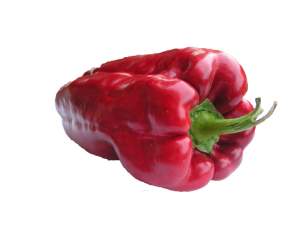
Tomatoes, peppers and aubergines may appear early in protected or warm regions during May, although their classic open-field peak comes later in many parts of Spain.
June: summer arrives
More light and heat bring increasing quantities of tomatoes, courgettes, cucumbers, green beans, peppers and aubergines. Lettuce remains available, although varieties and production zones change to cope with heat.
Tomato character also evolves through the season. Early harvests may differ in texture, concentration and maturity from fruit picked in the middle of summer. Variety and harvest date remain important.
July and August: the heart of summer
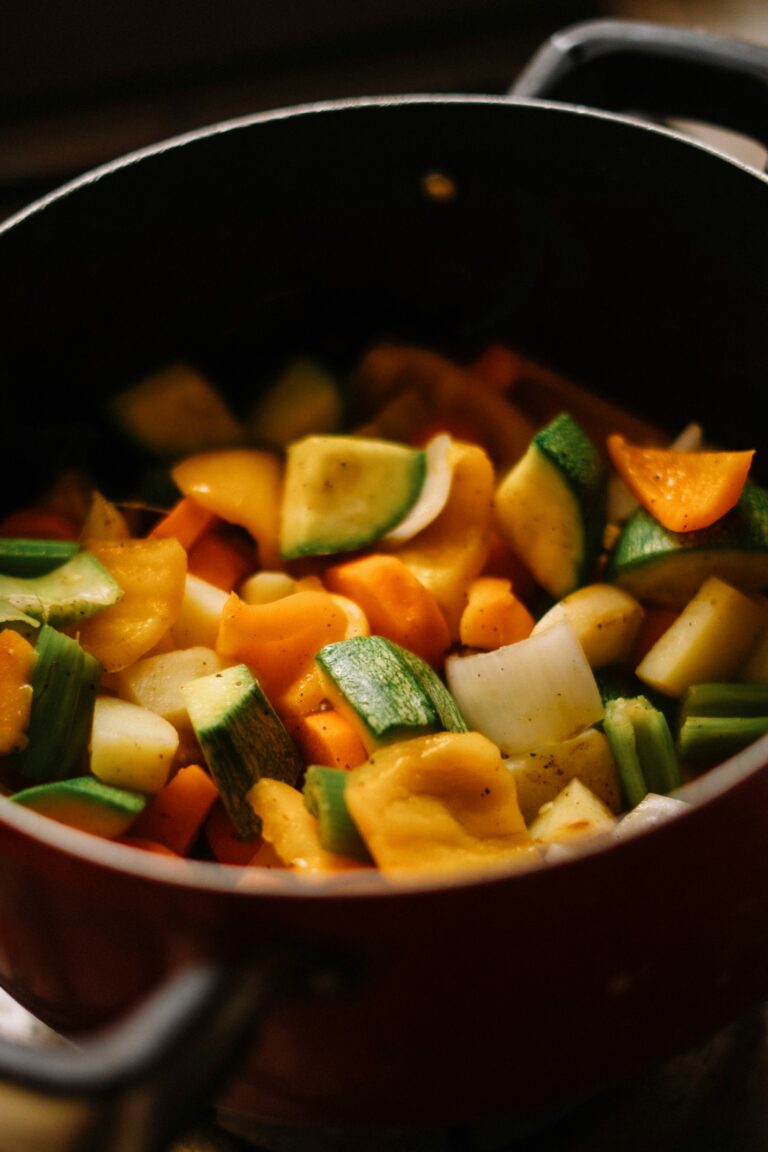
These months are strongly associated with fruiting vegetables: tomatoes, peppers, aubergines, courgettes, cucumbers and green beans. Onions, garlic from the new crop and heat-adapted lettuces are also common.
High temperatures speed both ripening and post-harvest deterioration. Buying realistic amounts and storing each crop correctly reduces waste. Our vegetable storage guide explains which produce benefits from refrigeration and which does not.
September: late summer meets autumn
September has substantial overlap. Tomatoes, peppers, aubergines, courgettes and beans continue while pumpkins, leeks, chard, spinach and early brassicas start appearing in some regions.
The agricultural season does not change instantly on 1 September. Summer temperatures can continue for weeks, especially in southern and Mediterranean areas.
October and November: autumn
Autumn brings back pumpkin, leeks, cauliflower, broccoli, cabbage, chard, spinach, escarole, celery and artichokes. Some regions still have late tomatoes and peppers while others have already finished those crops.
It is also a period when household storage matters. Roots, onions, garlic and potatoes can be bought for longer use if they are sound and kept ventilated without excess moisture.
December: a winter profile again
December consolidates the winter group: leeks, cabbage, broccoli, cauliflower, escarole, chard, spinach, artichokes and celery. Exact availability differs by region, but leaves, stems, roots and brassicas dominate the pattern.
A quick calendar by family
- Tomato, pepper, aubergine, cucumber and courgette: most strongly associated with late spring and summer, with extended seasons in many growing systems.
- Broccoli, cauliflower and cabbage: mainly autumn, winter and early spring.
- Spinach, chard and escarole: especially cool months, with staggered production.
- Artichokes: largely autumn to spring depending on region.
- Leeks: especially common in cool months, with a broad production window.
- Broad beans and peas: strongly associated with spring.
Why online calendars disagree
Many charts mix harvest season, retail availability and domestic production. Those concepts are related but not identical. A crop can be available year-round because different regions or production systems overlap, even if its traditional open-field peak is shorter.
Spain also includes Atlantic, Mediterranean, continental and subtropical climates. A date that works in Navarra may not match Almería, Murcia, Galicia or the Canary Islands. It is more accurate to think in typical windows than compulsory months.
Using seasonality to shop better
Check origin and, where possible, the grower. Then judge the actual condition of the vegetable. Seasonal produce that has been poorly handled is still a poor purchase. Firmness, hydration, lack of damage and appropriate aroma all matter.
Buy for your real cooking plan as well. Our weekly vegetable shopping guide helps organise produce by how quickly it should be eaten.
Seasonal and local are not identical
A vegetable can be in season in Spain yet come from a distant Spanish region. A local grower may also use protected structures to extend a crop. If proximity matters, check origin; if harvest timing matters, ask about the crop. The ideas overlap, but they are not the same.
Vegetables available now
- EMDO Selection
- EMDO Selection

 100% beef burgers – gluten-free (2)
  Couples’ beef box