
When meat cooks, a white or greyish foam can appear on the surface of a pot, around a steak or between several pieces in a frying pan. It may look unappealing and is often described as “impurities” or even evidence that the meat was bad. In most cases, that interpretation is wrong.
The foam mainly comes from water and soluble proteins leaving the tissue and coagulating as they heat. Depending on the cut and cooking method, small amounts of fat, pigment and other muscle compounds may join them. The appearance changes, but the mechanism is perfectly compatible with normal meat.
What exactly is the foam?
Meat contains a large amount of water and protein. As temperature rises, some proteins change structure: they denature and then aggregate. If those proteins are dissolved in liquid coming out of the meat, they can form fine particles that trap air and fat and accumulate as foam.
In a stockpot, the foam rises because the liquid circulates. In a pan, it may collect around the meat when water is released faster than the hot surface can evaporate it.
Is it blood?
Not in the everyday sense. Commercial meat contains very little residual blood. The reddish liquid seen in a tray is mainly water mixed with myoglobin, a pigmented muscle protein. Heat changes the colour and structure of myoglobin and many other proteins.
A pale or grey foam should therefore not be described simply as “boiled blood”. Coagulated protein in tissue liquid is a more accurate explanation.
Why is there so much when meat is boiled?
In water, heat extracts soluble proteins from the surface and nearby tissue. As the liquid warms, those proteins coagulate and float. A vigorous boil breaks and disperses them even further.
The effect is particularly visible in stocks made with bones, connective-tissue-rich meat or pieces with large cut surfaces. It does not mean one piece is “dirtier” than another; different cuts simply release different amounts of soluble material.
Should you skim stock?
Skimming is mainly a culinary choice. If you want a very clear stock, removing the floating particles helps. It can also soften some cooked aromas.
It is not a food-safety step. Stock does not become safe because foam was removed, nor unsafe because it was left in. Ingredient condition, handling and adequate cooking are the relevant hygiene factors.
Why does foam appear in a frying pan?
When several pieces enter a pan and the temperature drops, meat begins to release water. If that water cannot evaporate quickly, it pools around the food. Dissolved proteins coagulate and can form pale foam or a light film.
This happens more often when the pan is not hot enough, it is overcrowded or the meat surface is very wet. The meat is not producing foam because it is inferior; the cooking environment is behaving more like shallow stewing than intense browning.
How to reduce it when browning meat
- Dry the surface well with kitchen paper.
- Preheat the pan before adding meat.
- Do not cover the whole surface with too many pieces.
- Cook in batches when necessary.
- Avoid moving the meat constantly during the first moments of contact.
These steps promote evaporation and help the surface brown. They also address the separate issue discussed in our guide to why meat releases water in the pan.
Does foam mean the meat was frozen?
Not necessarily. Thawed meat can release more liquid if ice crystals damaged cell structures, but fresh meat can also foam. The phenomenon alone does not reveal the full storage history.
For previously frozen meat, good packaging and controlled thawing help preserve texture. Our guide to freezer burn covers a different issue: surface dehydration caused by air exposure in the freezer.
Minced meat and burgers
Minced meat has vastly more exposed surface than a whole cut. Water and proteins can therefore leave it quickly. If a large quantity is cooked together, grey liquid and foam often appear before genuine browning begins.
For burgers, a sufficiently hot griddle and enough space between patties help. Repeatedly pressing a conventional burger also pushes out liquid and fat. The deliberate exception is the smash burger, where the initial press is part of the technique.
Is the protein albumin?
People sometimes call any white cooking foam “albumin”, but that is an oversimplification. Egg white is rich in albumins, and the white protein seen on cooked salmon is often described colloquially that way; red meat releases a broader mixture of soluble and muscle proteins.
The important mechanism is the same general sequence: heat, denaturation, coagulation and accumulation in liquid.
Can foam be a spoilage sign?
Foam during cooking cannot diagnose spoilage by itself. If raw meat already had a clearly abnormal smell, slimy texture, swollen package or other signs inconsistent with fresh product, those warning signs need to be judged before cooking.
Cooking is not a way to rescue questionable meat. But when meat was stored correctly and looked and smelled normal beforehand, foam appearing under heat is not a warning on its own.
Should you wash meat to prevent foam?
No. Washing raw meat is not recommended because splashing can spread microorganisms around the sink and kitchen. It also does not stop the meat's own proteins from coagulating during cooking.
For pan cooking, patting the surface dry with disposable kitchen paper is useful and completely different from rinsing meat under the tap.
Foam and doneness
The amount of foam does not tell you whether the centre is rare or fully cooked. Doneness depends on time, thickness and, when precision matters, internal temperature.
For thick pieces, a thermometer reading provides far more information than the colour of the liquid around the meat. Surface signals and core temperature should not be confused.
Practical summary
- White foam is usually water + coagulated proteins with some fat.
- It is not simply “blood”.
- In stock, skimming mainly improves clarity and appearance.
- In a pan, heavy foaming often signals too much moisture or too little heat.
- It does not diagnose poor quality or spoilage on its own.
- There is no need to wash raw meat to prevent it.
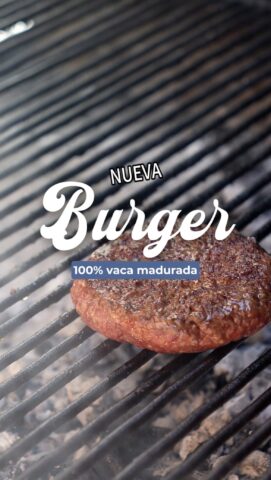

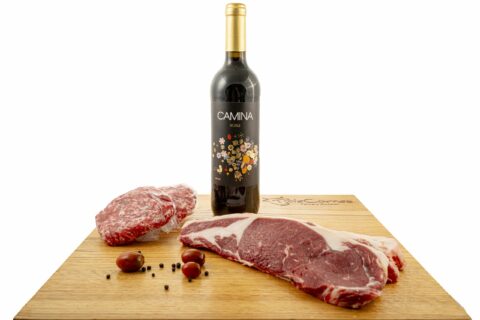
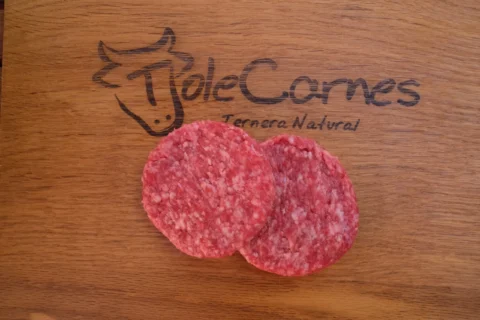

 100% mature beef burgers – gluten-free (2)
  100% beef burgers – gluten-free (2)