
Tenderloin and entrecote often appear side by side on menus and butcher counters, yet they represent two very different ways of enjoying beef. Tenderloin is prized mainly for exceptional tenderness and fine texture; entrecote is usually valued for a richer combination of marbling, juiciness and flavour. Choosing between them is not about deciding which is universally “better”, but which quality matters most to you.
The comparison starts with anatomy. Tenderloin comes from an internal muscle in the loin that performs relatively little work. Entrecote, depending on local butchery terminology, is cut from the loin and normally has a very different muscle structure and fat distribution. Those anatomical differences explain much of what happens later in a pan or on a grill.
The main difference: tenderness versus intensity
Tenderloin is one of the naturally tenderest muscles in the carcass. Its fibres are fine and it contains relatively little tough connective tissue, so it does not require prolonged cooking to become tender. Its delicate, even texture is precisely what makes the cut famous.
Entrecote can also be very tender, but tenderness is only part of its appeal. Intramuscular and external fat contribute lubrication during chewing, aroma and a richer mouthfeel. For many beef enthusiasts, that combination produces a deeper flavour than tenderloin.
Which one contains more fat?
As a broad rule, entrecote displays more visible and intramuscular fat than the centre of a trimmed tenderloin. This does not mean every entrecote is heavily marbled or every tenderloin looks identical. Breed, feeding, age, maturation and trimming all affect the final piece.
Fat is not automatically a defect. In a quick-cooking cut, balanced marbling can support juiciness and carry flavour compounds. If you prefer leaner beef and an exceptionally clean texture, tenderloin generally fits that preference better.
Which tastes more strongly of beef?
Flavour perception depends on many variables, but a well-marbled entrecote commonly delivers greater intensity. As it heats, some fat renders and contributes to the browned aromas associated with a well-seared steak.
Tenderloin has a gentler profile. That does not make it tasteless: a good piece, correctly browned and seasoned, has a clear beef character. Its reputation simply rests more heavily on texture than on fatty richness.
Why is tenderloin so soft?
Muscles that perform little mechanical work generally contain less resistant connective tissue. Tenderloin follows that pattern, which is why it can be cut and chewed with very little resistance when cooked properly.
In entrecote, tenderness is combined with visible fat and a slightly more pronounced fibre. It may feel less uniformly soft, but often more succulent and complex. They are different pleasures rather than different grades of the same experience.
Which cut is easier to cook?
Both suit fast, controlled cooking, but tenderloin is particularly unforgiving of overcooking. With less protective fat, taking it too far can make it dry and diminish the exact qualities that justify its price.
Entrecote often tolerates an aggressively hot surface slightly better because of its fat, although it can still be overcooked. Thick steaks benefit from separating the goal of building a browned crust from the goal of bringing the centre to the desired doneness.
Thickness changes the technique
A thick tenderloin steak does not cook like a thin medallion, and a substantial entrecote should not be treated like a very thin steak. The thicker the cut, the more useful it becomes to think separately about exterior browning and interior temperature.
A properly preheated pan, a reasonably dry meat surface and avoiding constant movement all encourage browning. Time and heat then need to be adjusted to the real thickness rather than to one universal number.
Do you need to bring the meat to room temperature?
There is no need to leave beef out for hours. With a thick cut, a reasonable short period out of refrigeration may reduce the extreme temperature difference at the surface, but food-safety limits still matter. Cooking technique is far more important than chasing a mythical perfect “room temperature”.
Resting after cooking
A short rest can be useful with thick steaks, allowing temperature and juices to stabilise before slicing. It should not become such a long wait that the meat reaches the table cold. Thin steaks usually gain less from a long rest.
Choose tenderloin when tenderness comes first
We would choose tenderloin when the priority is very soft beef, little visible fat and an even texture. It works particularly well as medallions and in dishes where a sauce or garnish supplies some of the aromatic intensity.
It also suits diners who dislike encountering larger seams of fat while chewing. Its price often reflects both limited yield per animal and strong demand for tenderness.
Choose entrecote when flavour and juiciness come first
We would choose entrecote for a richer, more grill-oriented experience. Good marbling creates contrast between toasted crust, juicy interior and melting fat.
It is also visually expressive: marbling gives useful clues about how a steak may behave, although complete meat quality should never be judged from a photograph alone.
What about a large sharing steak?
For a large centrepiece, it may make more sense to explore substantial loin cuts, with or without bone, rather than tenderloin. Loin sections can provide more table presence and a different crust-to-centre ratio.
To see how these cuts fit into the whole carcass, read our guide to choosing beef cuts for different recipes. That article maps the broader range; this one focuses specifically on tenderloin versus entrecote.
Do not compare only price per kilogram
Two premium cuts can cost similar amounts and still deliver opposite experiences. Paying extra for tenderloin is pointless if what you really love is toasted fat and strong beef flavour. Equally, buying entrecote simply because it is described as “more flavourful” may disappoint a diner who wants very lean, delicate meat.
The best choice aligns cut, personal preference, thickness and cooking method.
A quick decision rule
- Maximum tenderness and little visible fat: tenderloin.
- More marbling, juiciness and intensity: entrecote.
- Elegant medallions or sauce-based dishes: tenderloin works especially well.
- Hard sear or grilling: entrecote usually offers more richness.
- If unsure: decide whether texture or flavour intensity matters more.
Frequently asked questions
Is tenderloin higher quality than entrecote?
No universal hierarchy exists. Both are premium cuts valued for different attributes. Tenderloin excels in tenderness; entrecote can excel in marbling, juiciness and flavour.
Which is more tender?
As a general rule, tenderloin. Its anatomical function and relatively low level of connective tissue explain this characteristic.
Which is better for grilling?
Both can be excellent, but a well-marbled entrecote is especially rewarding over strong heat because its fat contributes to flavour and succulence.
Which should I choose if I dislike fat?
A properly trimmed tenderloin will generally suit that preference better.
Browse the meat currently available at El Mercado de Origen.
-
Sale!
 Select options
This product has multiple variants. The options may be chosen on the product page
Select options
This product has multiple variants. The options may be chosen on the product page


 100% mature beef burgers – gluten-free (2)
 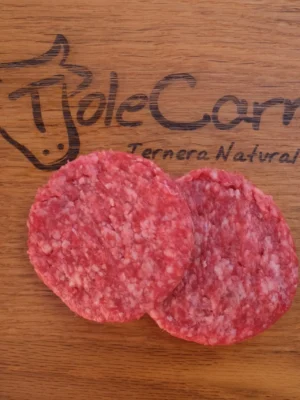 100% beef burgers – gluten-free (2)