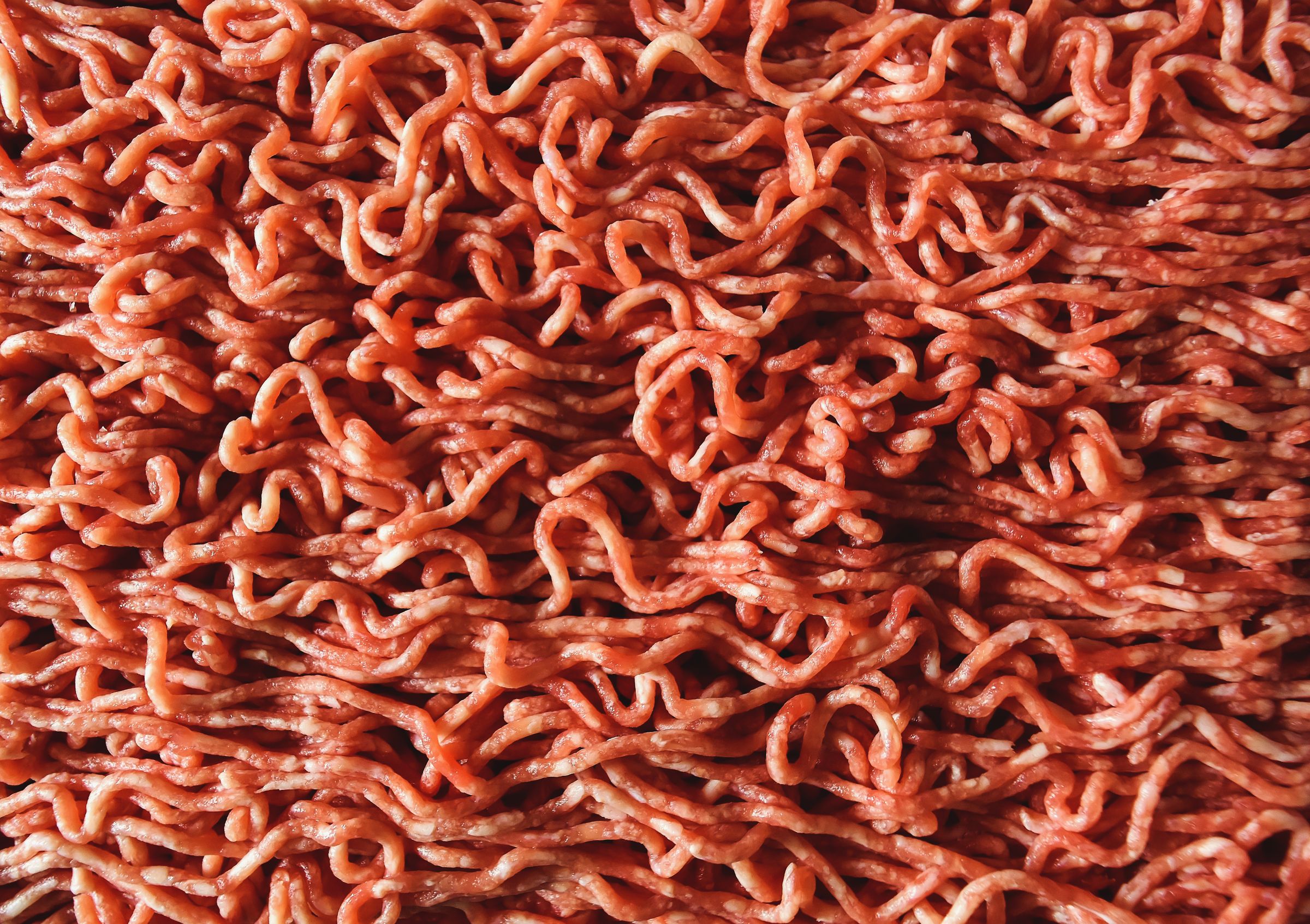
Ground beef looks simple, yet it concentrates several important buying decisions. The source cuts, fat level, grinding style, presence or absence of other ingredients and storage conditions all affect cooking performance and food safety. Looking beyond the tray price is worthwhile.
Good ground beef does not have to be the leanest or the fattiest. It needs to suit the dish. Burgers benefit from juiciness, fillings may need a looser texture and meatballs need enough structure to hold together without becoming dense.
Ground beef and a meat preparation are not always the same thing
Read the exact sales description. Ground beef can simply be minced beef, while certain meat preparations may contain other authorised ingredients. The label should make that clear. If you want a straightforward product, check that the ingredient list matches that expectation.
For example, the ground beef sold by Tolecarnes in our catalogue is presented as 100% natural beef without additives, which gives the customer a clear basis for choosing a recipe.
Fat determines texture and juiciness
Very lean mince can dry out quickly, particularly in burgers or high-heat cooking. Fat melts as the meat cooks and helps carry flavour and preserve a juicy texture. That does not mean a fattier mixture is always preferable; use matters.
A leaner mince can work well in sauced fillings where oil, vegetables or liquids are added. Burgers generally benefit from some fat. If a product page does not declare an exact percentage, do not invent one; use the information provided by the producer.
Grind size changes the eating experience
A coarser grind retains a more obvious meat texture, while a finer grind becomes more uniform and can integrate well into fillings and sauces. Neither is universally correct.
For burgers, overworking the mince after grinding can make the patty dense. Shape it with enough pressure to hold together, but do not knead it like dough.
What should it look like?
Colour alone is not an absolute freshness test. Myoglobin changes according to oxygen exposure and packaging, so normal beef can vary from bright red to darker red or slightly brown areas. Combine appearance with date, refrigeration, smell and package condition.
A swollen, damaged or leaking package deserves attention. When beef arrives by delivery, refrigerate or freeze it promptly instead of leaving it at room temperature.
Why ground beef requires extra care
Grinding greatly increases surface area. Material that was on the outside of a cut becomes distributed through the mince, so hygiene and temperature control become particularly important. Ground beef therefore needs careful refrigeration and thorough cooking management.
If you will not use it soon, freezing in flat portions helps it freeze and thaw evenly. Defrosting in the refrigerator is the preferred method. See our beef thawing and storage guide for more detail.
Burgers: shape, do not knead
Keep the meat cold until shortly before cooking. Form appropriately sized portions, press only as much as needed and avoid excessive handling. Season close to cooking time.
A properly preheated pan or griddle develops good browning. Patty thickness then determines how long the centre needs to cook to the desired safe doneness.
Meatballs and fillings: structure matters
Meatballs need enough cohesion to survive cooking. Egg, soaked bread or other traditional ingredients can help, but excessive mixing can still make the result dense. Mix only until combined.
For vegetable fillings, pies or pasta sauces, mince is usually browned loose. Break it apart and avoid overcrowding the pan, as too much moisture can prevent browning.
How much per person?
The right amount depends on whether beef is the main event or one component of a dish. A main-course burger needs far more meat per guest than a pasta sauce or stuffed vegetable. Side dishes, starters and guest age also matter.
Our meat quantity per person guide gives a framework for planning without relying on one fixed number.
What to check before adding it to your basket
Check five things: species and composition, net weight, product description, storage conditions and producer. If a product is 100% beef without additives, that should be stated clearly. If fat percentage is not declared, do not assume one.
The best product page is not the one with the most adjectives; it is the one that gives enough information to understand how the meat should be used and what you are buying.
Related beef products
-
Sale!
 Select options
This product has multiple variants. The options may be chosen on the product page
Select options
This product has multiple variants. The options may be chosen on the product page



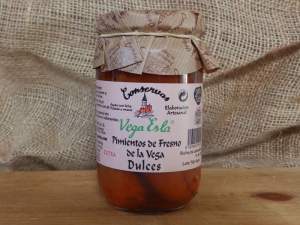 12 Jars of Sweet Roasted Peppers
 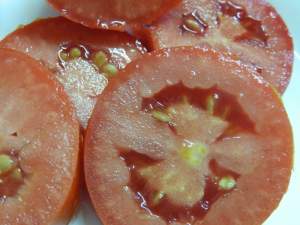 Tomate pera
  100% mature beef burgers – gluten-free (2)
  100% beef burgers – gluten-free (2)